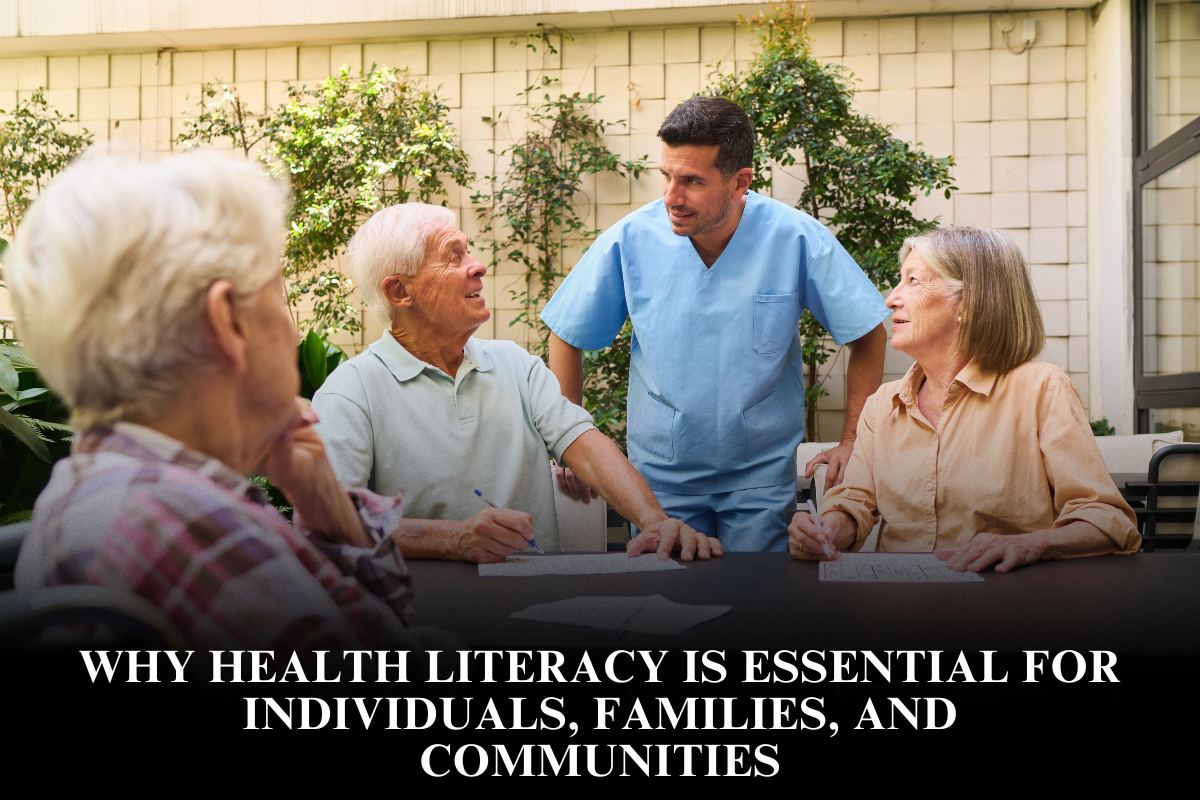
Health literacy refers to an individual’s ability to access, understand, and use information about health in a way that benefits their well-being. It plays a critical role in making informed health decisions, navigating the healthcare system, and improving overall health outcomes.
Health literacy is not just about reading medical documents; it also encompasses understanding medical terms, knowing how to seek care, and making sense of health information in everyday life. It’s essential for individuals, families, and communities because it empowers people to make better decisions, improves the quality of care, and leads to healthier lifestyles.
As healthcare systems become more complex, having strong health literacy skills is more important than ever. Without adequate health literacy, people may struggle to understand important health information, adhere to medical advice, or access the care they need. This can result in poor health outcomes, increased healthcare costs, and a lower quality of life. Here’s why health literacy is crucial for everyone:
1. Improved Health Outcomes
Health literacy directly impacts individual health outcomes. People with higher levels of health literacy are more likely to take proactive steps to maintain and improve their health. They are better equipped to:
- Understand medical instructions: When a doctor prescribes medication, provides treatment options, or gives advice on lifestyle changes, patients with strong health literacy are more likely to follow through and adhere to those instructions correctly.
- Make informed decisions: Health-literate individuals can evaluate different health options and make decisions based on a solid understanding of risks, benefits, and alternatives. For example, they may weigh the pros and cons of different treatments or lifestyle changes more effectively.
- Detect and manage conditions early: With a better understanding of health, individuals are more likely to recognize early symptoms of illness or disease, leading to early intervention and better outcomes.
Conversely, individuals with low health literacy may fail to follow medical instructions properly, misunderstand health information, or delay seeking treatment, leading to worsened health conditions and avoidable complications.
2. Empowerment of Families
Health literacy is essential not just for individuals, but for families as well. Families play a significant role in managing health, particularly in households with children, elderly relatives, or family members with chronic illnesses. By fostering health literacy within families, the overall health of the household improves. Here’s how:
- Managing chronic conditions: Families often play a key role in caring for loved ones with chronic illnesses, such as diabetes, hypertension, or heart disease. Health literacy enables family members to understand the disease, manage medications, track symptoms, and communicate effectively with healthcare providers.
- Making health decisions: Health-literate families are more likely to make informed decisions about things like vaccinations, preventive care, and health insurance. These decisions can impact the long-term health and well-being of everyone in the family.
- Supporting mental health: Families that are health literate are also better equipped to understand mental health issues, reduce stigma, and seek appropriate treatment for conditions like depression, anxiety, or substance use disorders.
By increasing health literacy within families, individuals can support each other in making healthier choices, seeking timely care, and managing health conditions effectively.
3. Strengthening Community Health
The benefits of health literacy extend beyond individuals and families to the broader community. Communities with higher levels of health literacy tend to experience better overall health outcomes and lower healthcare costs. Health-literate communities are more likely to:
- Engage in preventive health: When communities understand the importance of preventive health measures, they are more likely to take part in activities like vaccination drives, screenings, and wellness checkups. This reduces the burden on healthcare systems by catching health issues early before they become more serious.
- Promote healthy behaviors: Communities with strong health literacy can collectively adopt healthier lifestyles, such as eating nutritious foods, exercising regularly, and quitting smoking. These behaviors reduce the risk of chronic diseases and improve the quality of life.
- Improve health communication: Communities with high health literacy are better equipped to share important health information and resources with others, increasing awareness of public health campaigns, safety guidelines, and available services.
- Support public health initiatives: A health-literate community is more likely to advocate for policies and practices that promote public health, such as clean water, safe housing, and accessible healthcare. This leads to a healthier, more resilient population.
When communities embrace health literacy, they become more self-reliant, resourceful, and proactive in improving the overall health of the population.
4. Navigating Complex Healthcare Systems
Today’s healthcare systems are often complex, with many layers—ranging from insurance options to specialist referrals, medical billing, and treatment protocols. Without a solid understanding of how these systems work, individuals may struggle to access the care they need or face unnecessary barriers. Health literacy helps people navigate the system more effectively by:
- Understanding insurance: Health-literate individuals are better equipped to choose and use health insurance plans, understand coverage details, and avoid unnecessary costs.
- Communicating with healthcare providers: Being able to clearly ask questions, understand diagnoses, and follow treatment plans is critical. Health literacy fosters more effective communication with doctors, nurses, and other healthcare professionals.
- Seeking timely care: Health-literate individuals are more likely to seek care when it’s needed, reducing the risk of complications or more expensive treatments later on. This proactive approach to healthcare reduces the overall strain on healthcare systems.
By improving health literacy, individuals are empowered to use healthcare resources more effectively and efficiently, leading to better care and lower costs.
5. Reducing Health Disparities
Health literacy is a key factor in addressing health disparities. People with low health literacy—often from underserved populations—are at a higher risk for poor health outcomes. Low health literacy can lead to:
- Misunderstanding medical information: People with limited literacy skills may have trouble reading prescriptions, understanding labels on medications, or following treatment regimens, which can lead to adverse health consequences.
- Difficulty navigating healthcare: Individuals with low health literacy may find it difficult to understand how to access services, leading to delayed care and underutilization of available resources.
Improving health literacy among these populations helps bridge the gap, ensuring that everyone has access to the knowledge and tools they need to maintain their health.
6. Promoting Healthy Communities and Societal Well-Being
When health literacy is prioritized at the individual, family, and community levels, it creates a ripple effect throughout society. People who understand the importance of healthy living, preventive care, and informed decision-making are more likely to live longer, healthier lives. Moreover, communities with higher health literacy tend to have fewer hospitalizations, lower healthcare costs, and a more productive workforce.
A society with strong health literacy also fosters greater empathy, as people are better able to understand the challenges faced by those with health conditions, disabilities, or other healthcare needs. This leads to stronger social bonds and a more compassionate community.
How to Improve Health Literacy
Improving health literacy requires a multi-pronged approach that involves individuals, healthcare providers, educators, and policymakers:
- Education: Integrating health education into school curriculums, community programs, and public health campaigns helps individuals of all ages understand key health concepts.
- Clear communication: Healthcare professionals should use plain language and visual aids when communicating with patients to ensure that information is understandable and accessible.
- Community programs: Local health organizations and community centers can offer workshops and resources to help people learn about basic health concepts, healthy behaviors, and how to navigate the healthcare system.
Frequently Asked Questions (FAQ)
1. What is health literacy?
Health literacy refers to an individual’s ability to understand, access, and use health-related information to make informed decisions about their health and well-being.
2. Why is health literacy important for communities?
Health-literate communities are healthier, more resilient, and better able to navigate the healthcare system, reducing the burden on healthcare resources and promoting public health.
3. How can health literacy improve health outcomes?
By understanding health information, individuals can make better decisions about their health, adhere to treatments, and take proactive steps to prevent illness, leading to better health outcomes.
4. How can health literacy be improved in underserved populations?
Community education programs, accessible health resources, and clear communication from healthcare providers can help improve health literacy among underserved populations.
5. How does health literacy reduce health disparities?
Health literacy ensures that everyone has access to the information they need to make informed health decisions, helping to reduce the disparities in health outcomes between different socio-economic and ethnic groups.