Seasonal flu remains a major public health concern because it spreads quickly in homes, schools, workplaces, and public spaces. While medical treatment can help reduce complications, prevention is the most effective strategy for limiting transmission.
Awareness plays a critical role in prevention because people are more likely to adopt healthy behaviors when they understand how flu spreads and how to protect themselves and others. Public education, workplace communication, school campaigns, and community outreach all contribute to reducing infection rates.
Current guidance from the CDC, WHO, and NHS continues to emphasize annual vaccination, hand hygiene, respiratory etiquette, improved ventilation, and staying home when unwell as core measures for reducing flu spread.
Why Flu Awareness Matters
Flu is often underestimated because its early symptoms can resemble a common cold. However, influenza can cause serious illness, especially in older adults, young children, pregnant women, and people with certain chronic health conditions.
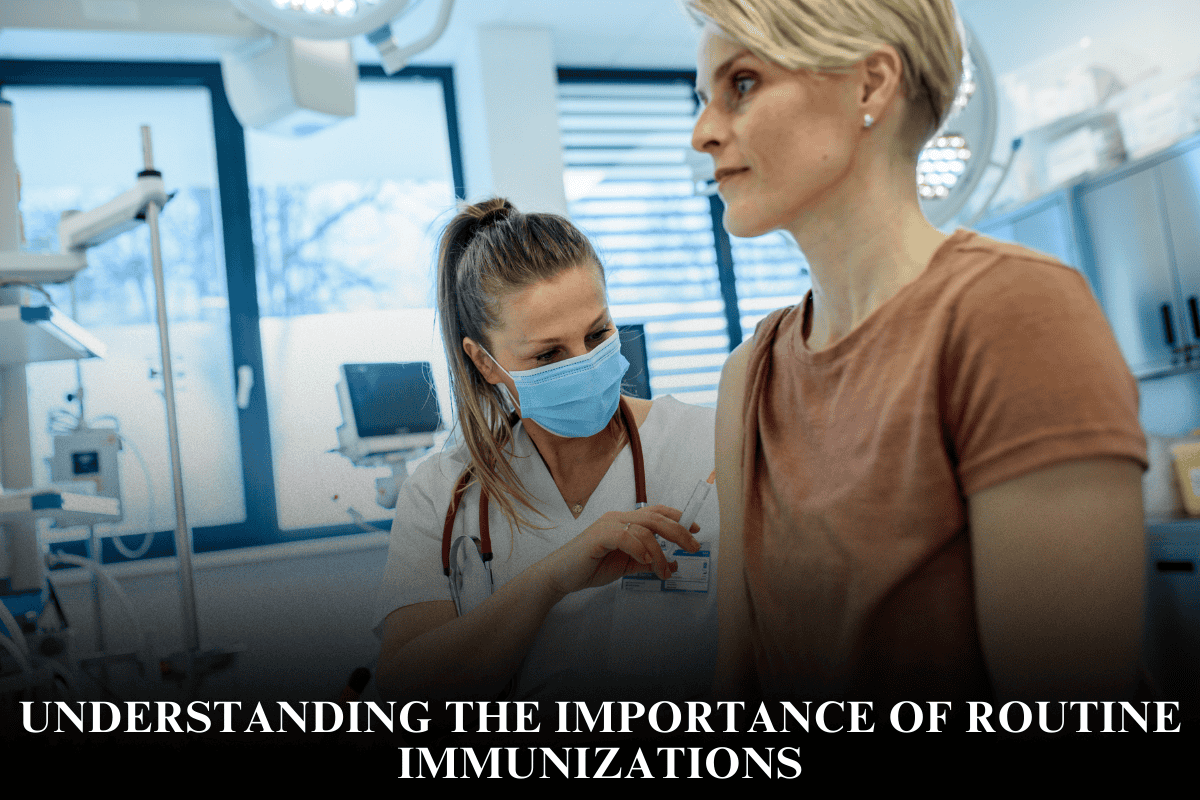
Awareness strategies help communities recognize symptoms early, encourage preventive behavior, and reduce unnecessary exposure in shared environments. When people know when to stay home, when to seek medical advice, and how to avoid infecting others, transmission can be reduced significantly. The CDC recommends yearly flu vaccination for everyone 6 months and older as the first and most important step in prevention.
Key Awareness Strategies
Reducing seasonal flu transmission requires consistent public messaging and practical prevention efforts. Effective awareness campaigns should focus on clear, repeatable actions that people can follow easily in daily life.
- Promote annual flu vaccination before and during flu season
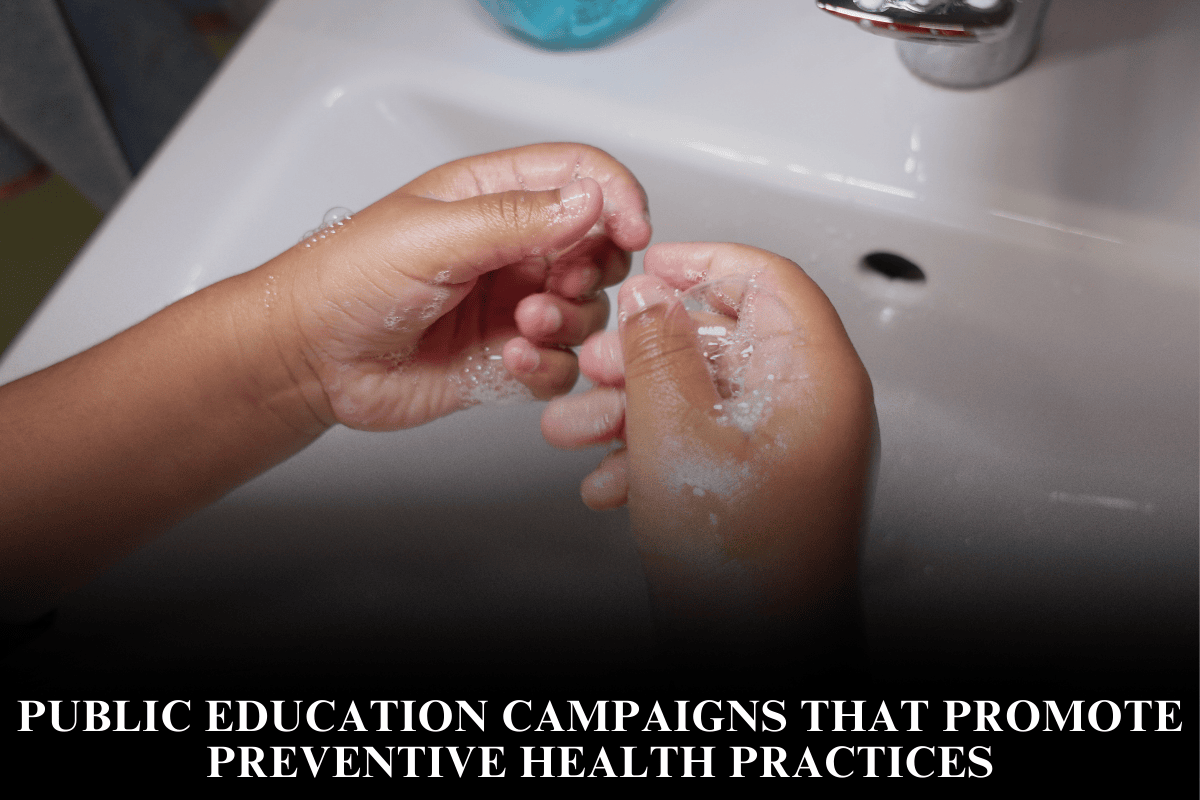
- Encourage frequent handwashing with soap and water
- Teach people to cover coughs and sneezes with a tissue or elbow
- Remind individuals to avoid close contact when sick
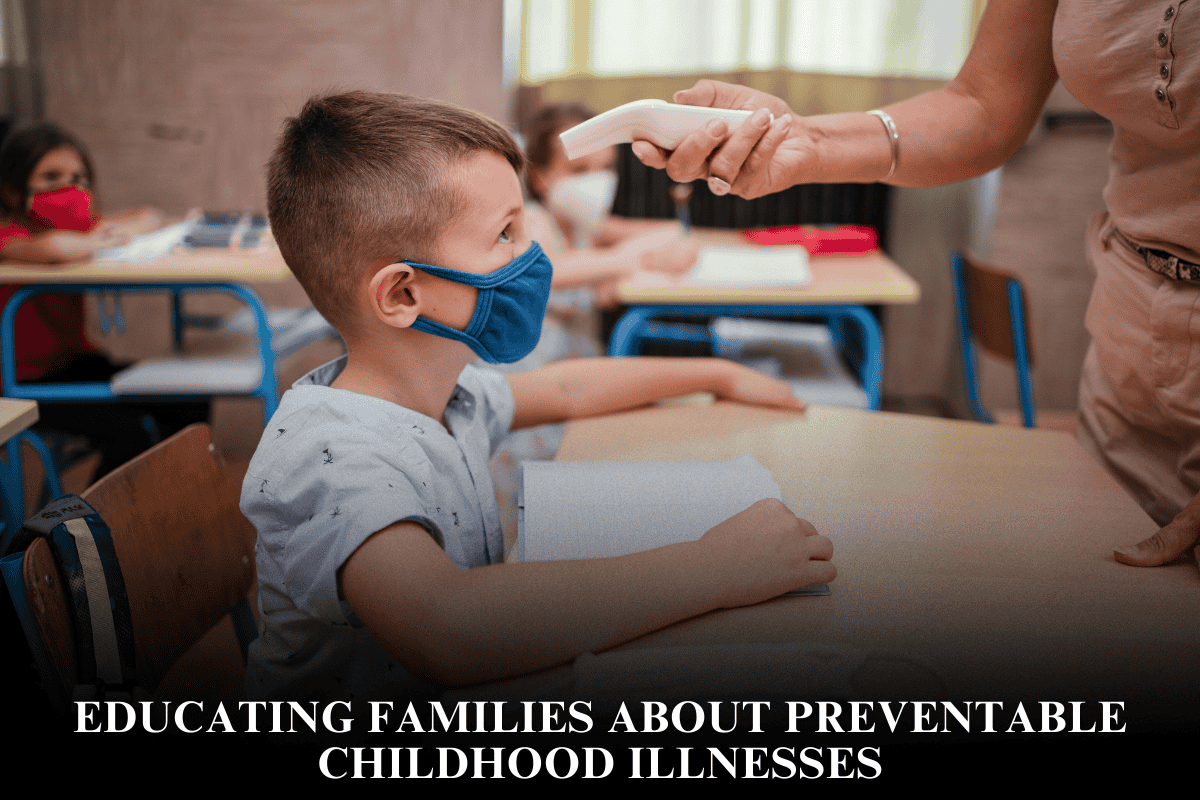
- Encourage staying home from work, school, or public gatherings when unwell
- Improve indoor airflow where people gather
- Share trusted information through clinics, schools, employers, and community groups
These strategies are widely reflected in current CDC, WHO, and UK public-health advice.
Core Prevention Measures
| Prevention Measure | Purpose |
|---|---|
| Annual flu vaccination | Lowers risk of illness and serious complications |
| Hand hygiene | Reduces spread from contaminated surfaces and hands |
| Respiratory etiquette | Limits droplets released by coughing and sneezing |
| Staying home when sick | Prevents infecting coworkers, classmates, and family members |
| Better ventilation | Helps reduce spread in indoor shared spaces |
Vaccination remains the strongest population-level prevention tool. WHO also notes that influenza viruses change regularly, which is why vaccine formulations are reviewed and updated seasonally.
Where Awareness Campaigns Are Most Effective
Awareness efforts work best when they are targeted to settings where flu spreads easily. Schools, offices, healthcare facilities, retail environments, and public transport systems all benefit from repeated prevention messaging.
Employers can place posters in common areas, schools can educate children and parents, and healthcare providers can share reminders during routine visits. Digital campaigns through email, text alerts, websites, and social media can also help reinforce prevention habits.
| Setting | Awareness Action |
|---|---|
| Schools | Teach handwashing, symptom recognition, and staying home when sick |
| Workplaces | Promote vaccination, sick-leave awareness, and respiratory hygiene |
| Clinics and pharmacies | Offer trusted prevention guidance and vaccine reminders |
| Community centers | Share multilingual health information and outreach materials |
| Public venues | Display visible reminders about hygiene and cough etiquette |
The Role of Communication in Flu Prevention
Good communication is essential in any flu awareness strategy. Messages should be simple, accurate, and easy to understand. They should avoid panic while still encouraging responsibility. Strong campaigns usually explain how flu spreads, identify high-risk groups, and highlight the most important preventive actions. Repetition is important because people are more likely to remember and follow health advice when they see it consistently across multiple channels.
Effective flu-awareness messaging should:
- Use plain and professional language
- Focus on practical daily habits
- Be visible during peak flu periods
- Include trusted medical or public-health sources
- Address both individual protection and community responsibility
Awareness strategies for reducing seasonal flu transmission are essential for protecting public health. When communities understand the importance of vaccination, hygiene, respiratory etiquette, staying home while sick, and improving indoor air circulation, they are better equipped to reduce the spread of influenza.
A successful awareness campaign does not rely on one message alone. It combines education, visibility, and community participation to promote healthier behavior. In seasonal flu prevention, informed action is one of the strongest defenses available.
FAQs
What is the most effective way to reduce seasonal flu transmission?
The CDC says annual flu vaccination is the first and most important step for reducing flu risk and its potentially serious outcomes.
Why is public awareness important in flu prevention?
Public awareness helps people understand how flu spreads and encourages preventive actions such as vaccination, handwashing, covering coughs, and staying home when sick.
Can workplaces and schools help reduce flu spread?
Yes. Schools and workplaces can lower transmission by promoting hygiene, encouraging sick individuals to stay home, improving communication, and supporting vaccination awareness.
Does ventilation help prevent flu transmission?
Better airflow in indoor spaces is recommended in current respiratory-illness guidance because it can help reduce spread where people gather indoors.
Who should be especially careful during flu season?
Older adults, young children, pregnant women, and people with certain chronic health conditions are at higher risk of serious flu complications and should take extra preventive steps.