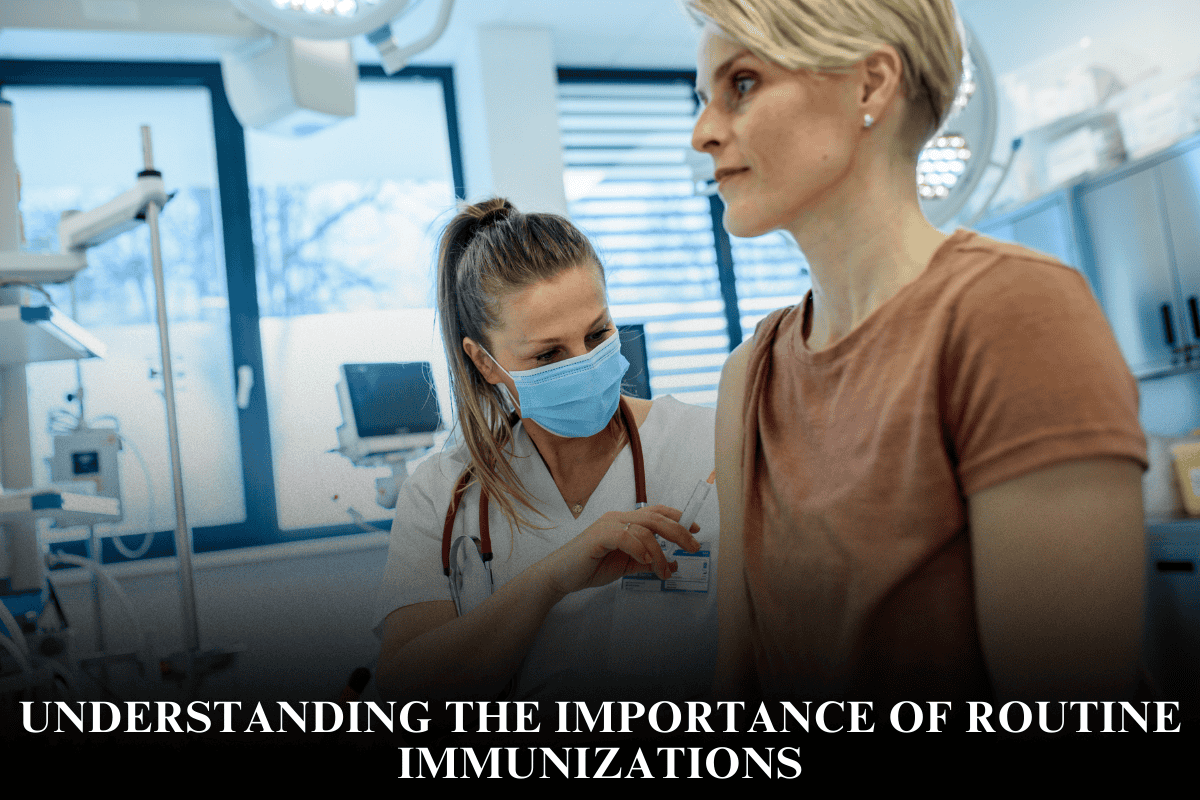
Routine immunizations protect individuals and communities from preventable diseases in the U.S. They form a cornerstone of public health, reducing outbreaks and saving lives through herd immunity. This article explores their critical role for adults, especially in workplaces.
Why Routine Shots Matter
Vaccines train the immune system to fight viruses like flu, measles, shingles, and pneumonia without causing illness. In the U.S., they prevent millions of illnesses yearly; for example, flu shots cut absenteeism by up to 36% in workplaces. CDC recommends adults get updated vaccines annually or as needed, targeting working-age groups vulnerable to complications.
Health Protection Basics
Routine immunizations shield against evolving threats. Seasonal flu and COVID-19 vaccines reduce severe cases; a 70% workplace uptake for COVID prevented 3,132 sick days and $876,453 in lost productivity for a 10,000-employee firm. Pneumonia and shingles shots lower hospitalization risks for adults over 50, cutting healthcare burdens.
Herd immunity amplifies benefits—high vaccination rates (aiming for 70% per Healthy People 2030) curb spread, protecting unvaccinated colleagues. Without them, diseases like measles resurge, as seen in recent U.S. outbreaks among under-vaccinated groups.
Workplace Impact
Employers gain from on-site clinics: flu programs save $15-$50 per vaccinated worker via fewer sick days and doctor visits (13-44% drop). A New England Journal study found $46+ savings per employee, plus 18-45% fewer lost workdays. COVID mandates could have boosted rates to 68%, averting 20,000 deaths and yielding $20,000 net benefits per person in high-transmission scenarios.
These initiatives boost morale and productivity. Free, convenient shots encourage family vaccinations too, extending protection. Post-pandemic, combined flu-COVID programs yield $362,909 extra employer savings at 70% coverage.
Broader U.S. Context
Affordable Care Act supports no-cost preventive vaccines, yet adult rates lag—flu at under 50%. Routine shots prevent 16 million flu-related visits and 380,000 hospitalizations yearly. For high-risk workers, they slash long COVID and wage losses ($198,250 saved per 10,000 employees).
Economic models show mandates or incentives yield high ROI, especially pre-December peaks. Public health campaigns stress annual updates amid variants.
Implementation Tips
Offer on-site events via partners like pharmacies. Promote via emails, tying to wellness perks. Track uptake to hit 70% targets, sharing savings data. Address hesitancy with facts: vaccines are safe, effective, and covered.
Long-Term Gains
Routine immunizations foster resilient communities. They cut chronic disease costs, enhance longevity, and stabilize workforces amid flu seasons. Investing now prevents future pandemics.
FAQs
1. Why prioritize adult immunizations?
They prevent severe illness, reduce workplace absenteeism by 36%, and save $46+ per employee.
2. What savings do employers see?
Up to $876,453 in productivity and $240,633 in medical costs for 10,000 workers at 70% flu/COVID coverage.
3. Are workplace clinics effective?
Yes, they boost rates, cut sick days 18-45%, and improve morale with free access.
4. How do vaccines create herd immunity?
70% coverage limits spread, protecting all, per Healthy People 2030 goals.
5. What’s the ROI for flu shots?
$15-$50 saved per worker via fewer visits and lost productivity.