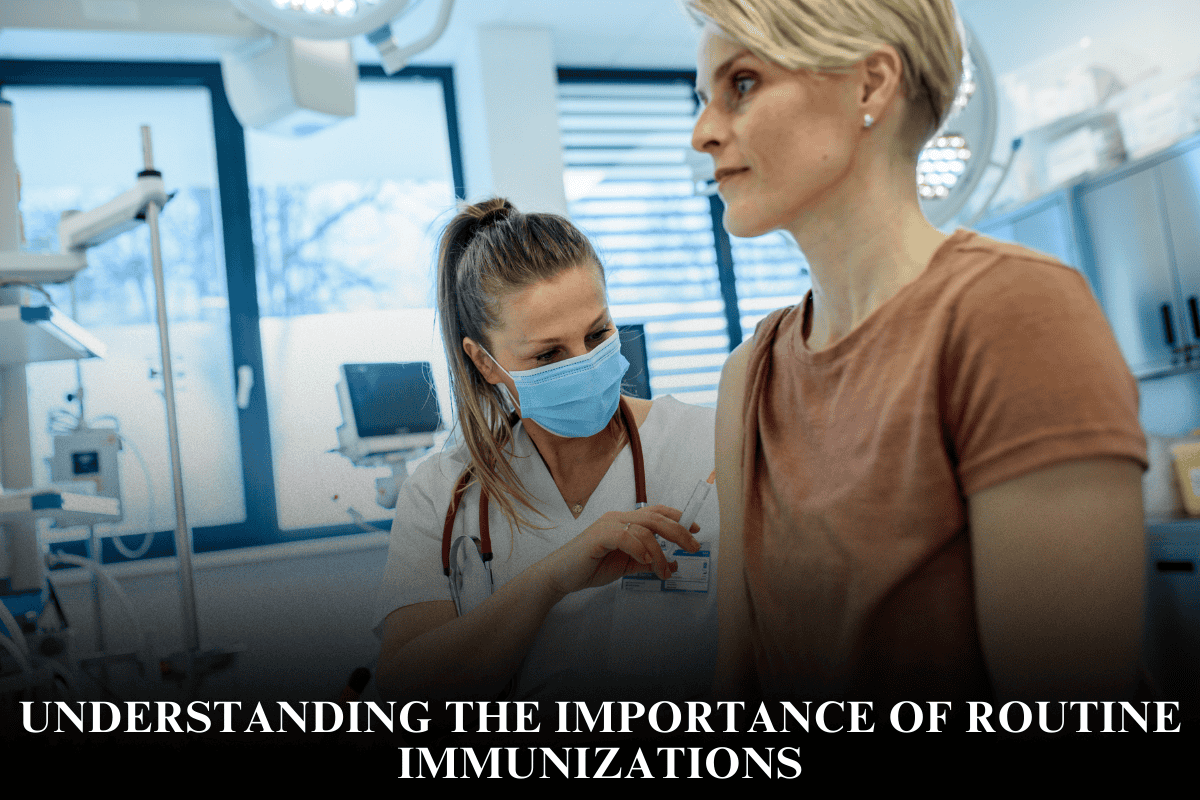
Routine childhood vaccinations and preventive education have drastically reduced diseases like measles, whooping cough, and polio in the US, yet recent outbreaks highlight the need for family awareness. With vaccination rates dipping below safe levels in some areas, empowering parents with facts can prevent resurgence and protect communities.
Common Preventable Illnesses
Measles remains a top concern, with 1,136 US cases reported recently, 92% among unvaccinated or unknown status individuals; 24% affected children under 5. Pertussis (whooping cough) saw 643 California cases in 2023, often cyclic every 3-5 years, hitting infants hardest before they complete shots. Other threats include mumps, rubella, hepatitis B, varicella (chickenpox), and polio—once rampant but now rare due to vaccines.
These illnesses spread via air or contact, causing fever, rash, cough, or severe complications like pneumonia and brain swelling. Unvaccinated children face higher risks, with outbreaks in low-coverage areas like Idaho (under 80% MMR rates).
Vaccine Success Stories
Since 1994, routine shots for 117 million US children born through 2023 prevented 508 million illnesses, 32 million hospitalizations, and 1.1 million deaths, saving $540 billion direct and $2.7 trillion societal costs. MMR vaccine alone averted 100 million measles cases; diphtheria shots saved 752,800 lives.
California kindergarteners hit 94% full vaccination in 2022, nearing pre-pandemic levels, thanks to school mandates. Yet national MMR coverage fell to 92-93%, below the 95% herd immunity threshold.
Educating Families Effectively
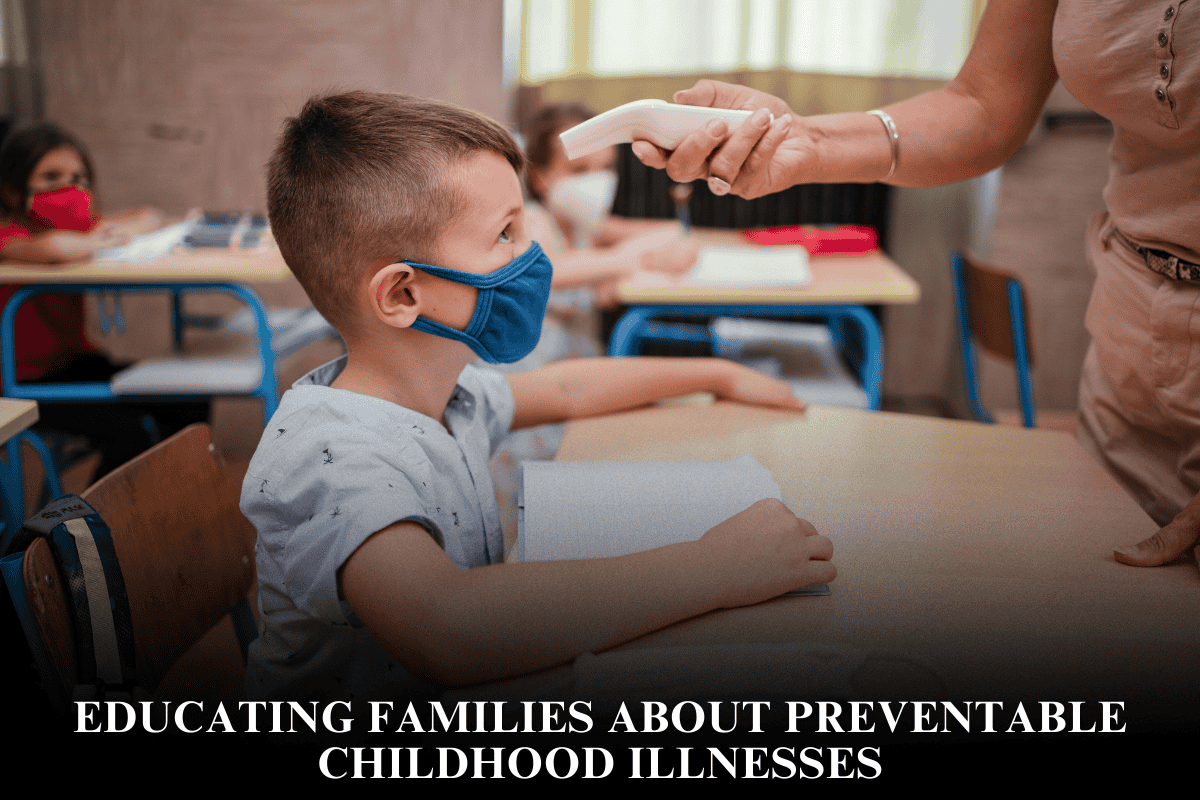
Parents should learn schedules: Hepatitis B at birth, DTaP series by 15 months, MMR at 12-15 months with boosters. Discuss concerns with pediatricians—address myths like autism links, debunked by decades of data. Use CDC resources, school clinics, and Vaccines for Children (VFC) for free shots to uninsured kids.
Community talks, apps, and multilingual materials combat hesitancy, tied to outbreaks. Equity matters: Disparities persist by income, race, and region.
Barriers and Solutions
Hesitancy, flagged by WHO as a global threat, stems from misinformation; education reverses it. Access issues hit rural or low-income families—solutions include mobile clinics and reminders. Post-COVID dips make now urgent: Only 10 states exceed 95% MMR coverage.
Schools enforce proof for entry, boosting rates, but exemptions rose slightly. Families: Track shots via apps, attend well-child visits.
Call to Action
Talk to your doctor, vaccinate on time, and spread facts—prevention saves lives and money. Strong family education builds community immunity, curbing outbreaks.
FAQs
What are the most common preventable childhood illnesses in the US?
Measles, pertussis, mumps, varicella, and hepatitis B top the list, largely controlled by vaccines.
How effective are childhood vaccines?
They prevented 508 million illnesses and 1.1 million deaths for kids born 1994-2023.
Why has measles returned?
92% of recent cases were unvaccinated; coverage below 95% allows spread.
When should families vaccinate?
Follow CDC schedule: Birth to 18 months, with boosters by school age.
How to overcome vaccine hesitancy?
Use trusted sources like CDC, discuss with pediatricians, access free VFC programs.