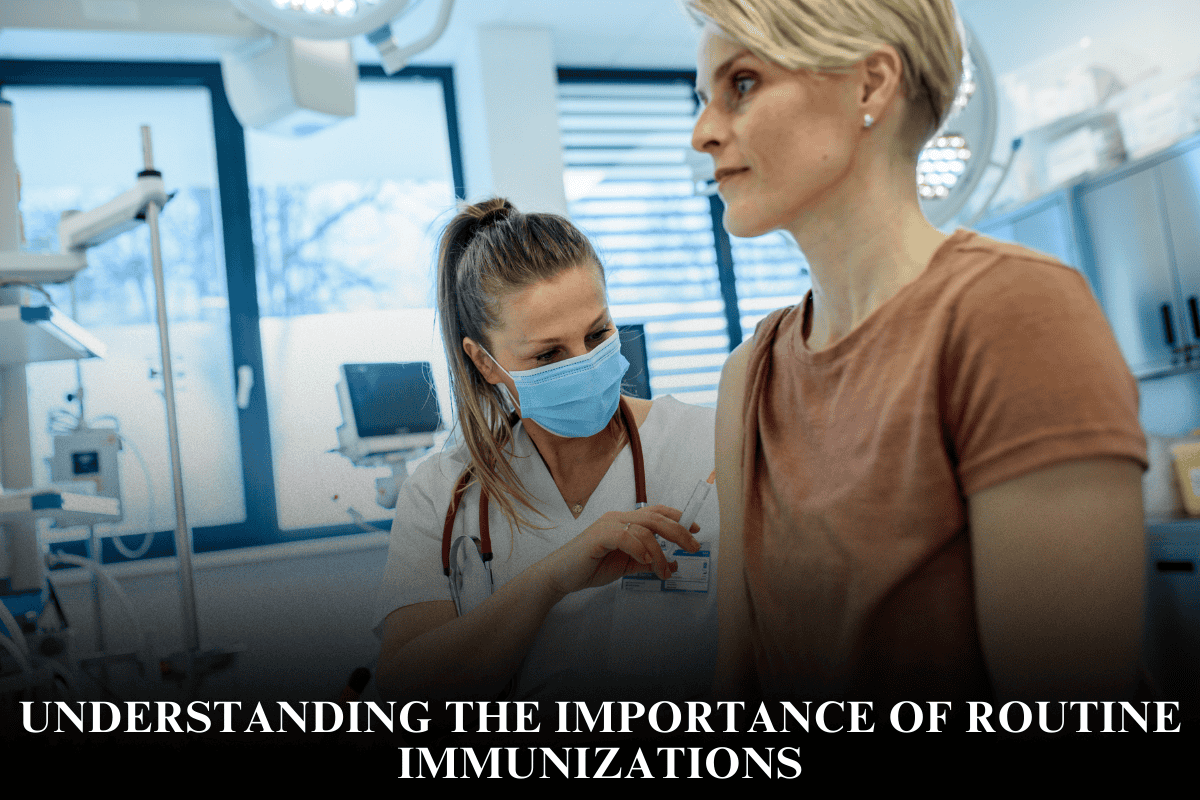
Pregnancy is a critical period that requires regular medical care and monitoring to ensure the well-being of both the mother and the developing baby. Health assessments during pregnancy help healthcare providers detect potential risks early, manage complications, and guide mothers toward healthier lifestyles. These evaluations are an essential component of prenatal care and significantly improve pregnancy outcomes.
By conducting routine checkups, screening tests, and lifestyle assessments, healthcare professionals can monitor fetal development, maternal health, and overall pregnancy progress. Early detection of health concerns allows timely treatment and reduces the chances of complications during pregnancy and childbirth.
Importance of Prenatal Health Assessments
Prenatal health assessments help ensure that both mother and baby remain healthy throughout pregnancy. These evaluations allow healthcare providers to identify medical conditions, monitor fetal growth, and offer guidance on nutrition and lifestyle choices.
Key benefits of prenatal health assessments include:
- Early detection of pregnancy-related complications
- Monitoring fetal growth and development
- Identifying maternal health risks
- Providing nutritional and lifestyle guidance
- Reducing the risk of premature birth or low birth weight
Regular prenatal visits also give mothers an opportunity to discuss concerns, ask questions, and receive emotional support during pregnancy.
Common Types of Health Assessments During Pregnancy
Healthcare providers perform several types of assessments throughout pregnancy to monitor maternal and fetal health.
Physical Health Examinations
Routine physical examinations are performed during prenatal visits to monitor the mother’s overall health.
These assessments typically include:
- Blood pressure checks
- Weight monitoring
- Abdominal examinations
- Measurement of fundal height to assess fetal growth
- Monitoring of fetal heartbeat
These routine evaluations help detect early signs of conditions such as high blood pressure or gestational diabetes.
Laboratory Tests and Screenings
Laboratory tests play a vital role in detecting infections, genetic conditions, and other medical concerns that may affect pregnancy.
| Test Type | Purpose | When It Is Done |
|---|---|---|
| Blood Tests | Detect anemia, infections, and blood type | Early pregnancy |
| Urine Tests | Identify infections or kidney problems | During routine visits |
| Glucose Screening | Detect gestational diabetes | Around 24–28 weeks |
| Genetic Screening | Identify risk of genetic disorders | First or second trimester |
| Group B Strep Test | Check for bacterial infection | Around 35–37 weeks |
These tests help healthcare providers create personalized care plans for expectant mothers.
Ultrasound Assessments
Ultrasound imaging is one of the most important tools in prenatal care. It allows doctors to visualize the developing fetus and monitor growth and development.
Ultrasounds are commonly used to:
- Confirm pregnancy and estimate due date
- Check fetal growth and position
- Detect structural abnormalities
- Monitor amniotic fluid levels
- Assess placental location
Regular ultrasounds help ensure that the pregnancy is progressing normally.
Lifestyle and Nutritional Assessments
Healthy lifestyle habits are essential for positive pregnancy outcomes. Healthcare providers often evaluate a mother’s diet, physical activity, and daily routines.
Important lifestyle factors assessed during pregnancy include:
- Nutritional intake and vitamin use
- Physical activity levels
- Sleep patterns
- Substance use such as tobacco or alcohol
- Stress levels and emotional health
Based on these assessments, doctors may recommend dietary changes, prenatal vitamins, or safe exercise routines.
Mental Health Assessments
Emotional well-being is an important part of prenatal care. Many women experience mood changes, anxiety, or stress during pregnancy.
Mental health assessments help identify conditions such as:
- Prenatal depression
- Anxiety disorders
- Stress related to pregnancy or parenting
Healthcare providers may offer counseling services, support groups, or referrals to mental health specialists if needed.
Risk Assessment for Pregnancy Complications
Some pregnancies carry higher risks due to medical history, age, or existing health conditions. Risk assessments help doctors identify potential complications early.
Common risk factors evaluated include:
- High blood pressure
- Diabetes
- Previous pregnancy complications
- Maternal age over 35
- Obesity or nutritional deficiencies
Early risk identification allows healthcare providers to monitor the pregnancy more closely and take preventive measures.
Role of Healthcare Providers in Prenatal Assessments
Healthcare providers play a crucial role in guiding mothers throughout pregnancy. Obstetricians, midwives, and nurses work together to conduct assessments, interpret test results, and provide personalized care.
Their responsibilities include:
- Scheduling regular prenatal visits
- Performing health screenings and tests
- Educating mothers about pregnancy health
- Monitoring fetal development
- Providing emotional support and counseling
This collaborative approach ensures comprehensive care for both mother and baby.
FAQs
What are prenatal health assessments?
Prenatal health assessments are medical evaluations conducted during pregnancy to monitor the health of the mother and the developing baby.
How often should pregnant women have prenatal checkups?
Most pregnant women visit their healthcare provider monthly during early pregnancy, every two weeks during the second trimester, and weekly during the final weeks.
Why are ultrasounds important during pregnancy?
Ultrasounds help doctors monitor fetal development, confirm due dates, and detect potential abnormalities or complications.
What lifestyle factors affect pregnancy outcomes?
Nutrition, physical activity, sleep, stress levels, and avoiding harmful substances such as alcohol and tobacco all play important roles in pregnancy health.
Can mental health affect pregnancy?
Yes, stress, anxiety, and depression can impact both the mother and the baby, which is why mental health assessments are an important part of prenatal care.