Safe food handling practices prevent millions of foodborne illnesses annually in the US, where the CDC estimates 48 million cases, 128,000 hospitalizations, and 3,000 deaths each year.
Simple habits like proper cleaning, cooking, chilling, and separating foods reduce risks from pathogens such as Salmonella and E. coli, especially in homes, schools, and community settings. Raising awareness through education empowers families and communities to enjoy meals confidently amid rising outbreaks linked to produce and poultry.
Core Principles of Safe Food Handling
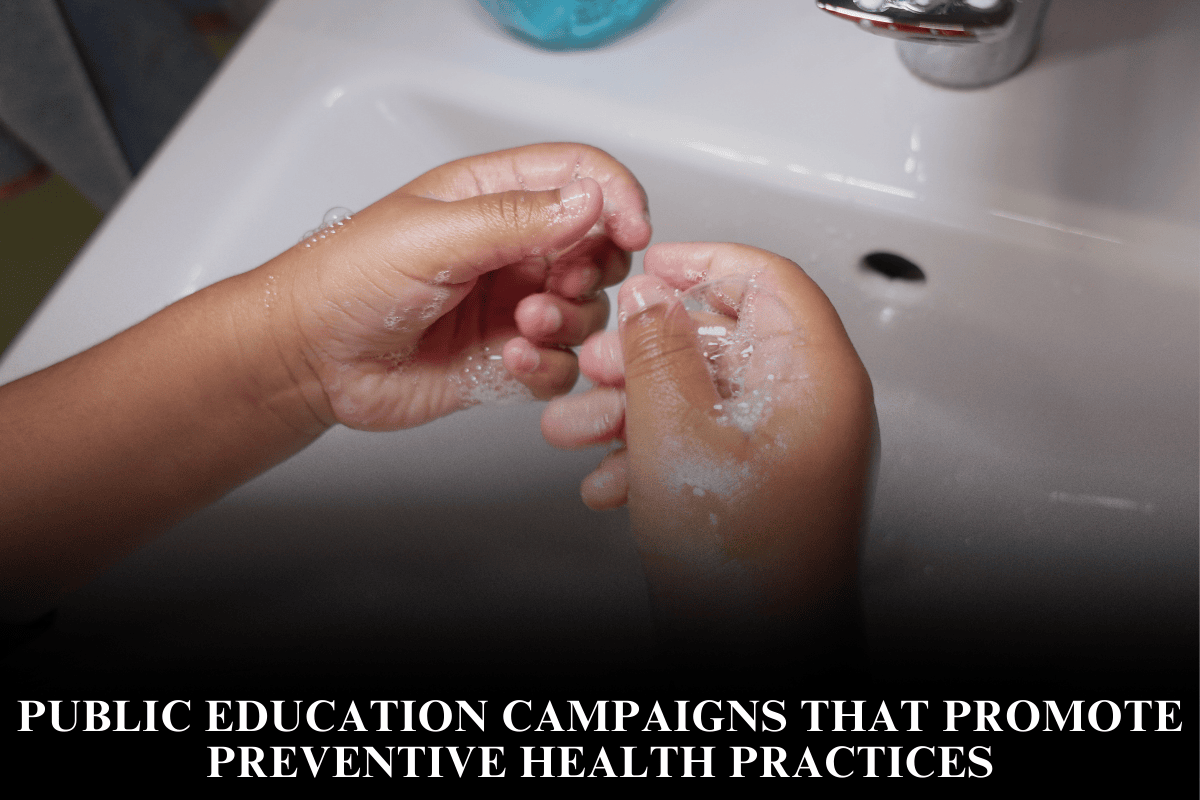
The FDA’s “Fight BAC!” campaign outlines four pillars: clean, separate, cook, and chill, forming the backbone of US food safety guidelines. Wash hands, surfaces, and produce under running water for 20 seconds to remove 99% of bacteria; avoid cross-contamination by using color-coded cutting boards—red for meat, green for veggies.
Cook proteins to safe internal temperatures: 165°F for poultry, 160°F for ground meats, verified with a food thermometer, not by color alone.
Chilling keeps perishable foods out of the 40-140°F “danger zone,” where bacteria double every 20 minutes; refrigerate within two hours (one hour if above 90°F outdoors). These steps align with FSMA rules emphasizing prevention over reaction, now bolstered by 2026 FDA priorities like updated Food Codes and state-led inspections.
Risks in Common Scenarios
Home kitchens see 76% of illnesses from improper handling, often raw juices contaminating ready-to-eat foods or undercooked burgers. Schools and buffets amplify risks: CDC notes 20% of outbreaks from inadequate hot-holding (>135°F) or cold-holding (<41°F), with utensils swapped every two hours and sneeze guards mandatory.
Produce like leafy greens and sprouts pose hazards without thorough washing, while dairy/eggs require pasteurized products and sanitation focus per FDA’s 2026 dairy training initiatives.
Imports and ultra-processed foods draw scrutiny; 2026 GRAS reforms mandate notices for additives, and traceability rules track high-risk items like cantaloupes from farm to fork. Vulnerable groups—children, elderly, pregnant women—face severe outcomes, making awareness critical.
Building Community Awareness
Public campaigns like USDA’s Foodkeeper app and FDA’s Produce Safety Alliance train on water standards and sprout hygiene. Schools integrate hands-on demos: simulate danger zone growth or thermometer use, reaching youth early. Community events, grocery demos, and social media challenges (e.g., #CleanCookChill) boost adoption; workplaces mandate ServSafe certification, cutting risks 50%.
2026 FDA efforts include BRIDGE for state inspections, heavy metal data on baby foods, and sanitation guidance, enhancing local enforcement. Nonprofits like Fight BAC! partner with retailers for free resources, while apps alert on recalls—vital as outbreaks hit 2025 highs.
Practical Tips for Everyday Implementation
Thaw in fridge or cold water, never counter; marinate covered in fridge, discard used marinade. Reheat leftovers to 165°F; cool large pots in ice baths before fridge-packing. Stock thermometers ($10), separate storage, and date labels; clean sponges weekly in dishwasher. For gatherings, serve in small batches and refresh every two hours.
Track habits via journals or apps; families report 30% fewer illnesses after one month. Businesses audit via HACCP plans, aligning with FSMA preventive controls.
FAQs
What are the four key safe food handling steps?
Clean (hands/surfaces), separate (raw/ready-to-eat), cook (to safe temps), chill (fridge <40°F within 2 hours).
How do you avoid cross-contamination at home?
Use dedicated boards/knives for raw meats; wash produce separately; sanitize sinks after poultry.
What’s the danger zone for bacterial growth?
40-140°F; bacteria multiply rapidly—refrigerate perishables promptly, reheat fully.
Are food thermometers essential and how to use?
Yes, for accuracy; insert thickest part, wait 10 seconds—165°F poultry, 145°F steaks.
How does 2026 FDA update food safety rules?
Updated Food Code, GRAS notices, state inspections via BRIDGE, produce/dairy training.