Health awareness equips individuals with knowledge to recognize risks, adopt preventive habits, and seek timely care, dramatically cutting disease rates. In the US, where chronic conditions drive 90% of healthcare costs, it empowers communities to break cycles of illness through informed choices.
Role in Disease Prevention
Awareness campaigns bridge knowledge gaps, promoting behaviors like handwashing, vaccination, and screenings that halt outbreaks and early chronic issues. Studies show exposed individuals adopt healthier lifestyles 74.5% more often than unexposed groups, directly lowering non-communicable disease (NCD) prevalence.
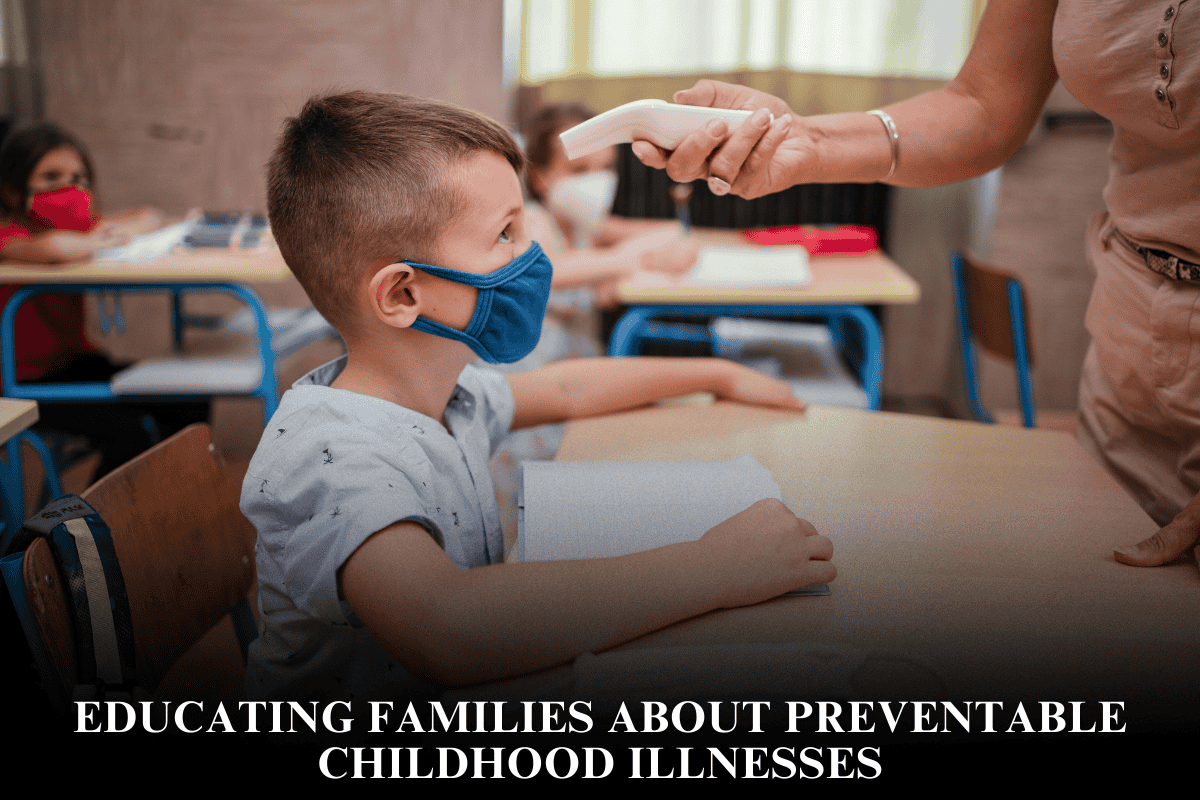
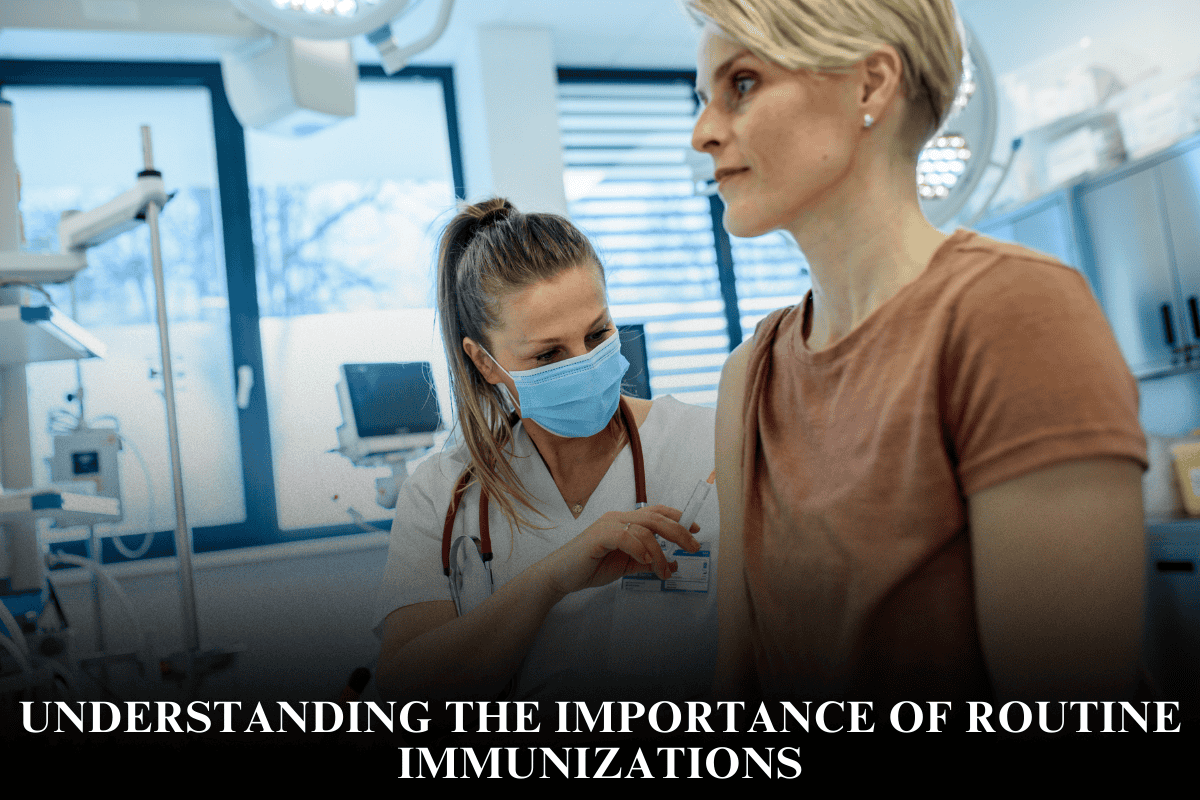
Public health initiatives target both communicable diseases (e.g., flu, COVID) via hygiene education and NCDs (e.g., diabetes, heart disease) through diet and exercise messaging. WHO campaigns like “Vaccinate Your Family” boosted rates in underserved areas, proving awareness drives action.
Key Benefits
Empowered people detect symptoms early, reducing emergency visits by up to 30% in aware populations. It tackles social determinants, addressing inequities where low-literacy groups face higher risks.
Economically, prevention saves billions; CDC data links awareness to lower chronic disease costs, which hit $4.1 trillion annually in the US. Behavior change models confirm awareness leads to sustained habits like quitting smoking or regular checkups.
US-Specific Impact
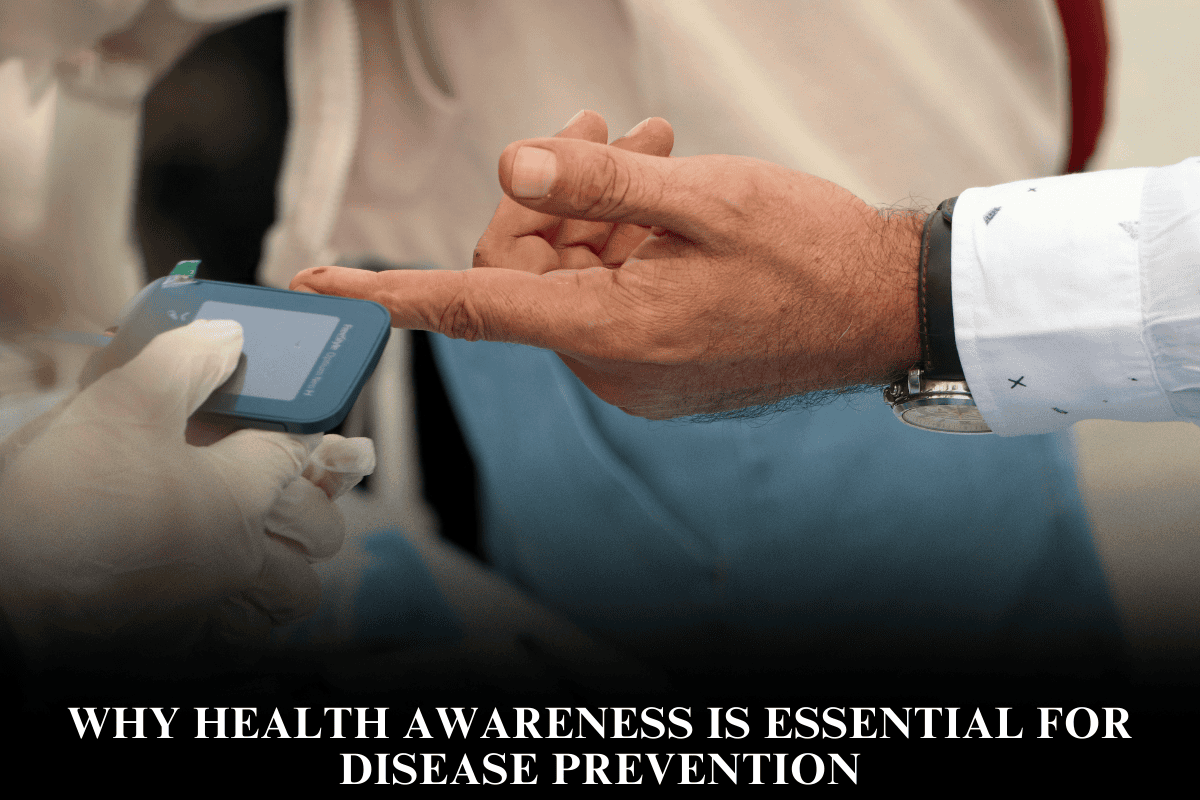
American efforts like the National Diabetes Prevention Program have prevented or delayed type 2 diabetes in 60% of participants via lifestyle education. Heart disease awareness months cut mortality through blood pressure screenings.
Post-COVID, mental health campaigns increased help-seeking by 40%, while anti-vaping drives among youth dropped usage 25%. Federal investments in health literacy yield high ROI, averting costly treatments.
Challenges and Solutions
Misinformation and cultural barriers hinder reach; only 67.8% show adequate NCD awareness, worse in rural or low-education areas. Digital divides limit older adults.
Solutions include multi-channel strategies—social media, community events, simplified materials—and tailored messaging. Evidence-based campaigns with stakeholder buy-in (governments, media) boost equity.
Measuring Success
Metrics track vaccination uptake, screening rates, and lifestyle shifts. Saudi studies mirror US trends: urban, educated groups lead, urging targeted rural efforts. Long-term, awareness fosters resilience against emerging threats like antimicrobial resistance.
Sustained funding ensures global health equity, with US leadership in tech-driven education amplifying impact.
FAQs
Q. How does awareness prevent chronic diseases?
It promotes early detection and habits like exercise, reducing prevalence; 74.5% of exposed adopt changes.
Q. What US programs work best?
Diabetes Prevention and heart health initiatives cut risks 60% via education.
Q. Why do awareness gaps persist?
Misinformation, low literacy (12th-grade level needed), and demographics like age/location widen disparities.
Q. Can social media replace traditional campaigns?
No, but combining yields best results—digital reaches youth, community builds trust.
Q. What’s the economic return?
Every $1 invested saves $5.60 in treatment costs by averting diseases.