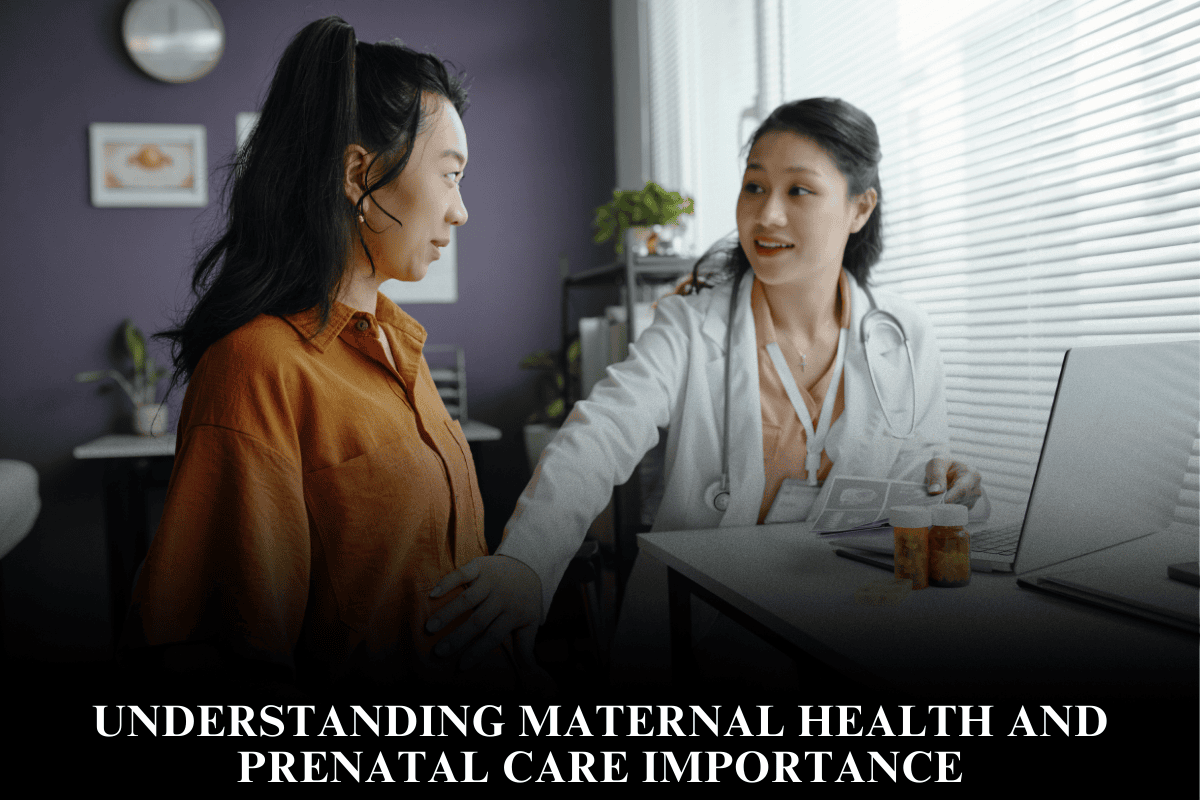
Maternal health focuses on the well-being of women during pregnancy, childbirth, and the postpartum period, with prenatal care playing a pivotal role in ensuring positive outcomes for both mother and baby.
In the United States, despite advancements, maternal mortality remains a concern at 18.6 deaths per 100,000 live births in 2023, down from pandemic highs but with persistent racial disparities—Black women face rates over three times higher at 50 per 100,000. Prenatal care, involving regular check-ups, screenings, and education, detects risks early, reduces complications, and supports healthier pregnancies.
What is Prenatal Care?
Prenatal care begins as soon as pregnancy is confirmed, ideally in the first trimester, and includes monthly visits initially, increasing to weekly near term. Core components encompass ultrasounds for fetal development, blood tests for anemia or infections, blood pressure monitoring to prevent preeclampsia, and nutritional counseling.
These visits track gestational diabetes, fetal growth, and maternal mental health, allowing interventions like medication or bed rest to avert issues such as preterm birth, which affects 10% of U.S. pregnancies.
Adequate prenatal care lowers low birth weight risks by 30-50%, per CDC data, fostering better infant health and cognitive development. It empowers women with knowledge on warning signs like severe nausea or swelling, promoting timely action.
Key Benefits of Prenatal Care
Regular prenatal visits slash maternal mortality by identifying hypertension early— a leading cause responsible for 14% of deaths—enabling treatments that prevent strokes or organ failure. For infants, it reduces congenital anomalies through folic acid prescriptions and screenings for genetic conditions like Down syndrome.
Mental health support during prenatal care addresses depression, affecting 10-15% of pregnancies, via therapy referrals that curb postpartum exacerbations.
Overall, women receiving first-trimester care have 24% lower preterm delivery rates and healthier weights at birth. This continuity extends to postpartum checks, monitoring for hemorrhage or infections, which spiked during COVID but have since declined with extended Medicaid coverage in many states.
U.S. Maternal Health Challenges
The U.S. maternal mortality rate exceeds peer nations, driven by factors like obesity, cardiovascular disease, and hemorrhage, with homicide and suicide emerging as top causes in recent studies. Racial gaps persist: Black women experience 50.3 deaths per 100,000 versus 19 overall, linked to biases in care, rural “maternity deserts,” and socioeconomic barriers.
Pandemic strains doubled deaths to 1,222 in 2021, but 2023 saw a drop to 669, aided by Medicaid extensions to 12 months postpartum in most states. Access remains uneven; 24% of urban areas lack obstetricians, while rural ratios stay elevated. Initiatives like Maternal Mortality Review Committees (MMRCs) analyze cases to inform policies.
Improving Access and Outcomes
States like California and Minnesota, with low rates under 25 per 100,000, invest in community doulas, telehealth, and diverse providers. Expanding midwife-led care and Black/BIPOC professionals could close gaps, as could universal postpartum coverage. Education campaigns promote early prenatal enrollment, targeting high-risk groups with home visits.
Public health efforts emphasize equity, correlating lower maternal deaths with reduced infant mortality (r=0.61 across states). Long-term, these yield economic savings—preventing one preterm birth saves $50,000+ in NICU costs.
Strategies for Expectant Mothers
Start care promptly: Schedule with OB-GYNs or midwives, maintain balanced diets rich in iron and calcium, exercise moderately, and avoid tobacco/alcohol. Track fetal movements from 28 weeks and report concerns immediately. Partner involvement enhances adherence, while apps aid appointment reminders.
Frequently Asked Questions
1. When should prenatal care start?
As early as possible, ideally by 8 weeks; first-trimester visits optimize monitoring and reduce risks.
2. What screenings occur in prenatal care?
Ultrasounds, blood tests for infections/anemia, glucose challenges for diabetes, and genetic screenings.
3. Why are U.S. maternal death rates high?
Factors include hypertension, hemorrhage, racial disparities, and access gaps; Black women face 3x higher rates.
4. How does prenatal care benefit babies?
It cuts preterm births by 24%, prevents low birth weight, and detects anomalies early.
5. What policies improve maternal health?
Extended Medicaid postpartum coverage, diverse providers, and MMRCs have lowered 2023 rates to 18.6 per 100,000.