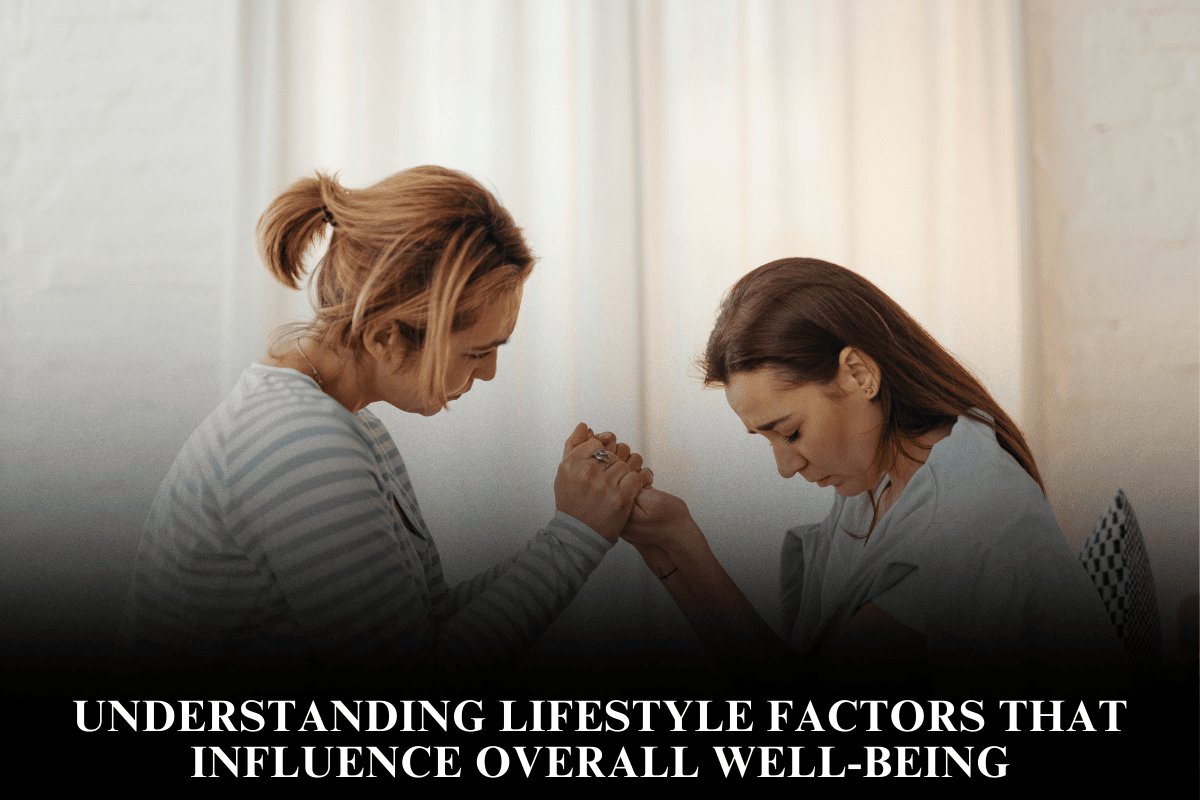
Lifestyle factors profoundly shape overall well-being by influencing physical health, mental resilience, and emotional balance. Research consistently shows that adopting positive habits like balanced nutrition and regular exercise can extend life expectancy while reducing chronic disease risks.
Physical Activity
Regular exercise boosts cardiovascular health, strengthens muscles, and releases endorphins for better mood. Studies link sufficient activity to 1.85 extra years of life and lower psychological distress over a decade. Even moderate walking or cycling daily enhances sleep quality and energy levels.
Nutrition Choices
Consuming fruits, vegetables, and whole foods supports immunity and cognitive function while curbing inflammation. High intake correlates with 3.25 years added life expectancy and higher well-being scores across populations. Avoiding sugary drinks prevents obesity and diabetes, key well-being barriers.
Sleep Hygiene
Adequate rest (7-9 hours nightly) regulates hormones, sharpens focus, and fortifies mental health. Poor sleep disrupts emotional regulation, increasing anxiety risks, whereas consistent routines foster resilience and productivity.
Social Connections
Strong relationships combat isolation, a major well-being threat comparable to smoking. Frequent social engagement raises psychological well-being odds by promoting support networks and reducing depression over 10 years.
Stress Management
Techniques like mindfulness or hobbies lower emotional distress, a central factor linking lifestyle to health outcomes. Less distress improves quality of life universally, with home cooking emerging as a key stabilizer in diverse countries.
Avoiding Harmful Habits
Never smoking or quitting boosts well-being odds by 43-67%, outpacing other factors. Limiting alcohol preserves liver function and mental clarity, amplifying gains from diet and exercise.
Interconnected Effects
Lifestyles form networks—exercise aids sleep, nutrition fuels activity, social ties buffer stress. Adhering to five key factors (nonsmoking, activity, diet, weight control, low alcohol) yields 7.13 extra years and 28% lower healthcare costs. Tailored changes yield compounding benefits regardless of age or location.
Practical Implementation
Start small: track habits via apps, join community walks, or meal prep weekly. Longitudinal data confirms sustained shifts elevate life satisfaction and halve mortality risks from poor behaviors.
FAQs
What single habit offers the biggest well-being boost?
Regular physical activity, linked to longer life, better mood, and lower distress across studies.
How does diet impact mental health?
Fruits/vegetables reduce emotional distress and boost quality of life via anti-inflammatory effects.
Why prioritize social activity?
It raises well-being odds long-term, countering isolation’s harms in both genders.
Can lifestyle offset genetic risks?
Yes—healthy clusters like exercise and nonsmoking add years even in high-risk groups.
How quickly do changes show results?
Benefits emerge in weeks for mood/sleep, compounding over years for longevity.