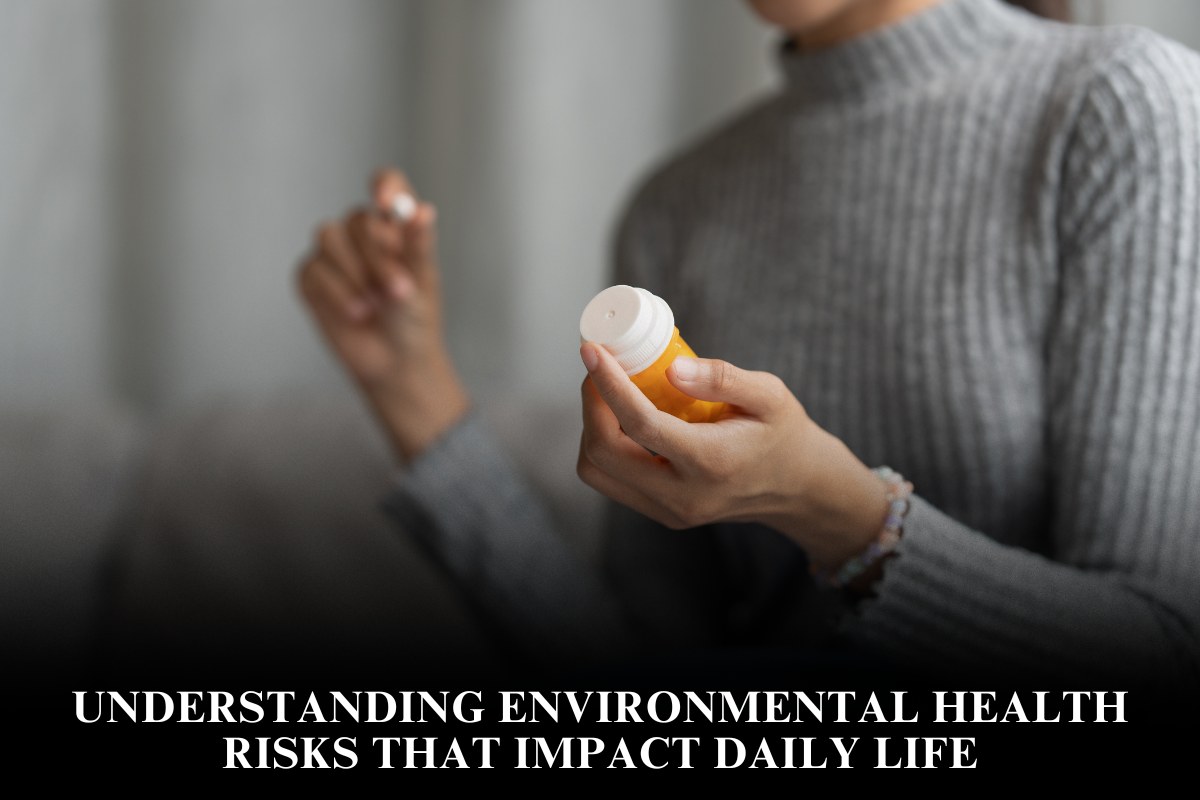
Environmental health risks surround Americans daily, from air breathed to water consumed, contributing to respiratory issues, cancers, and heart disease. EPA and CDC data highlight pollutants like PM2.5 and PFAS as key threats, disproportionately affecting low-income and urban communities. Awareness empowers mitigation through testing and policy support.
Air Pollution’s Invisible Toll
Air pollution, the U.S.’s second-largest CO2 emitter after China, causes 67 million tons annually from transport and power. Fine particulates (PM2.5) and ozone trigger asthma, heart attacks, and premature deaths, with 1 in 9 global fatalities linked.
Indoor sources like wood stoves and poor ventilation exacerbate “sick building syndrome,” while wildfires worsen respiratory outcomes. Living near roadways raises breast cancer risk; agricultural burns harm kids’ lungs. Vulnerable groups—children, elderly, asthmatics—face amplified dangers.
Water Contamination Concerns
Agricultural runoff contaminates rivers, wetlands, and lakes with nitrates and arsenic, sickening billions yearly. California reports nearly 1 million at risk from tainted tap water, causing liver/kidney issues and cancer.
PFAS “forever chemicals” persist in water, fish, and products, linked to fertility drops, hypertension in pregnancy, and immune damage. Sewage-laden coastal waters spark 3.5 million annual infections like rashes and hepatitis. EPA standards aim to protect, but rollbacks spark concerns.
Indoor and Household Hazards
Homes harbor radon—the second-leading lung cancer cause after smoking—seeping from soil via cracks. Methane leaks produce hydrogen sulfide, causing headaches, nausea, and nosebleeds, as in Porter Ranch.
Mold, allergens, household cleaners, and off-gassing from carpets/plastics trigger allergies and respiratory woes. 1 in 4 Americans lives near hazardous waste sites, amplifying chemical exposures. Ventilation and low-VOC products mitigate risks.
Soil and Food Chain Threats
Pesticides, heavy metals, and industrial pollutants taint soil, entering food via runoff and groundwater. Contaminated fish bioaccumulate toxins, harming biodiversity and health.
Urban gardens risk lead from old paints; climate-amplified floods spread contaminants. Low-income areas bear brunt, per Healthy People 2030.
Climate-Driven Emerging Risks
Rising temperatures extend pollen seasons, worsening allergies; extreme weather spreads vector-borne diseases like Lyme. Heatwaves strain cardiovascular systems; poor air quality compounds chronic conditions.
Disadvantaged groups—low-income, communities of color—face highest vulnerabilities. EPA links emissions to ozone depletion and skin cancer.
Mitigation Strategies for Daily Life
Test homes for radon (free kits via state health depts.); use HEPA filters and air purifiers. Filter tap water; choose PFAS-free products.
Support EPA rules; advocate locally. Healthy People 2030 targets cleaner environments via policy.
Policy and Future Outlook
2025 EPA PFAS standards protect 100 million, but Project 2025 proposals threaten air/soot regs, risking mortalities and asthma. Sustained funding counters healthcare’s pollution footprint.
FAQs
Q. What is the biggest daily air pollution risk?
PM2.5 and ozone from traffic/power plants cause heart/lung diseases, premature death.
Q. How does radon affect health?
Invisible gas causes lung cancer; test homes as second-leading cause after smoking.
Q. PFAS exposure sources?
Contaminated water, fish, products; linked to cancer, fertility issues.
Q. Water pollution health effects?
Nitrates/arsenic cause organ damage, cancer; 3.5M beach infections yearly.
Q. Who faces highest risks?
Low-income, urban, communities of color via disparities in exposure.