Monmouth County residents face several community health risks that require ongoing attention for effective prevention and management. The Monmouth County Department of Public Health and its partners continuously identify and monitor health concerns that impact population well-being and equity. Understanding these risks empowers residents to take proactive steps toward healthier lives. Here are the top community health risks for Monmouth County in 2025.
Chronic Diseases: Leading Causes of Death
Chronic diseases such as heart disease, cancer, diabetes, and chronic lower respiratory diseases remain the top causes of mortality and morbidity in Monmouth County. These conditions are closely linked to lifestyle risk factors including tobacco use, poor diet, physical inactivity, and obesity.
Obesity rates in both adults and children have been a focal point, as excess weight increases vulnerability to diabetes, cardiovascular disease, some cancers, and decreased life quality. Efforts to promote nutrition, physical activity, and regular screening are critical to reduce this burden.
Mental Health and Substance Use
Mental health challenges are among the most significant health concerns for the community. Depression, anxiety, and substance use disorders contribute heavily to overall health burden, with rising opioid misuse and overdose deaths drawing urgent attention.
Stakeholders have identified inadequate access to mental health and addiction services compounded by stigma, affordability issues, and lack of trust in healthcare systems. Expanding accessible behavioral health supports and community education are vital strategies to address these issues.
Infectious Diseases and Emerging Threats
Sexually transmitted infections (STIs) have notably increased, including antibiotic-resistant gonorrhea and congenital syphilis. These trends highlight the importance of strengthened public education, testing, and treatment services.
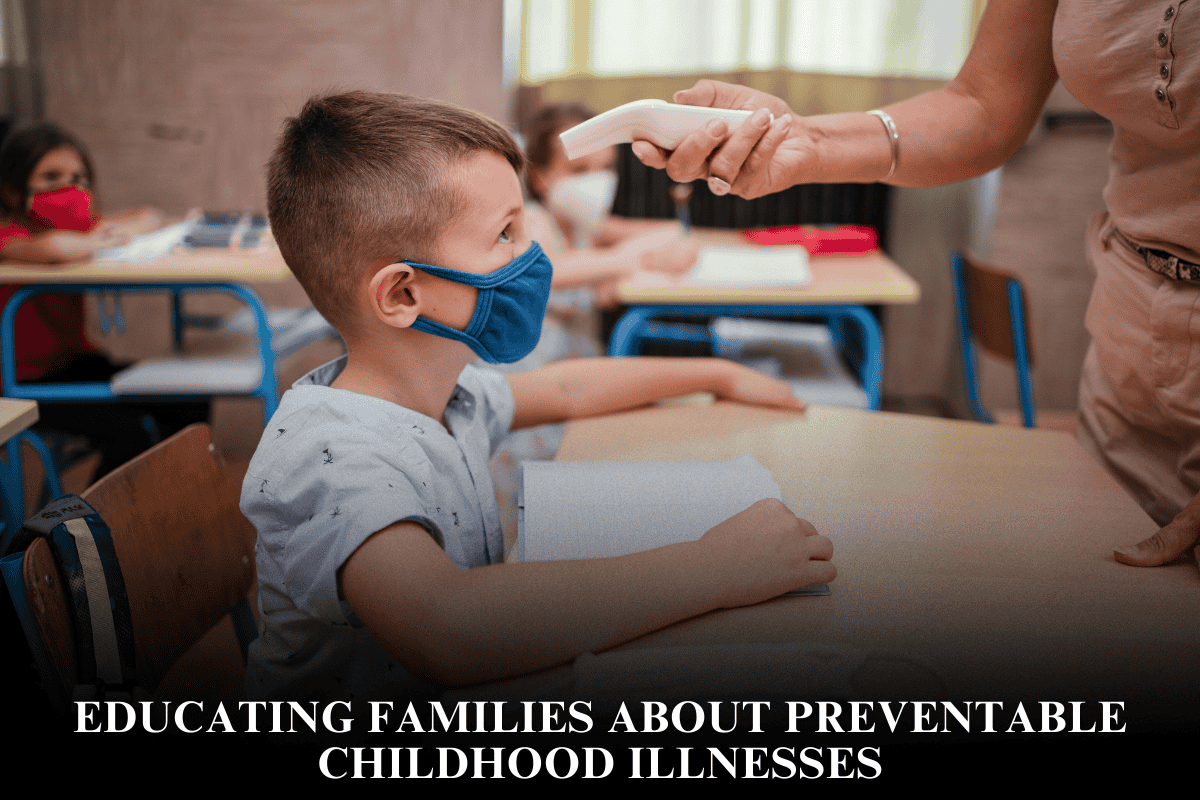
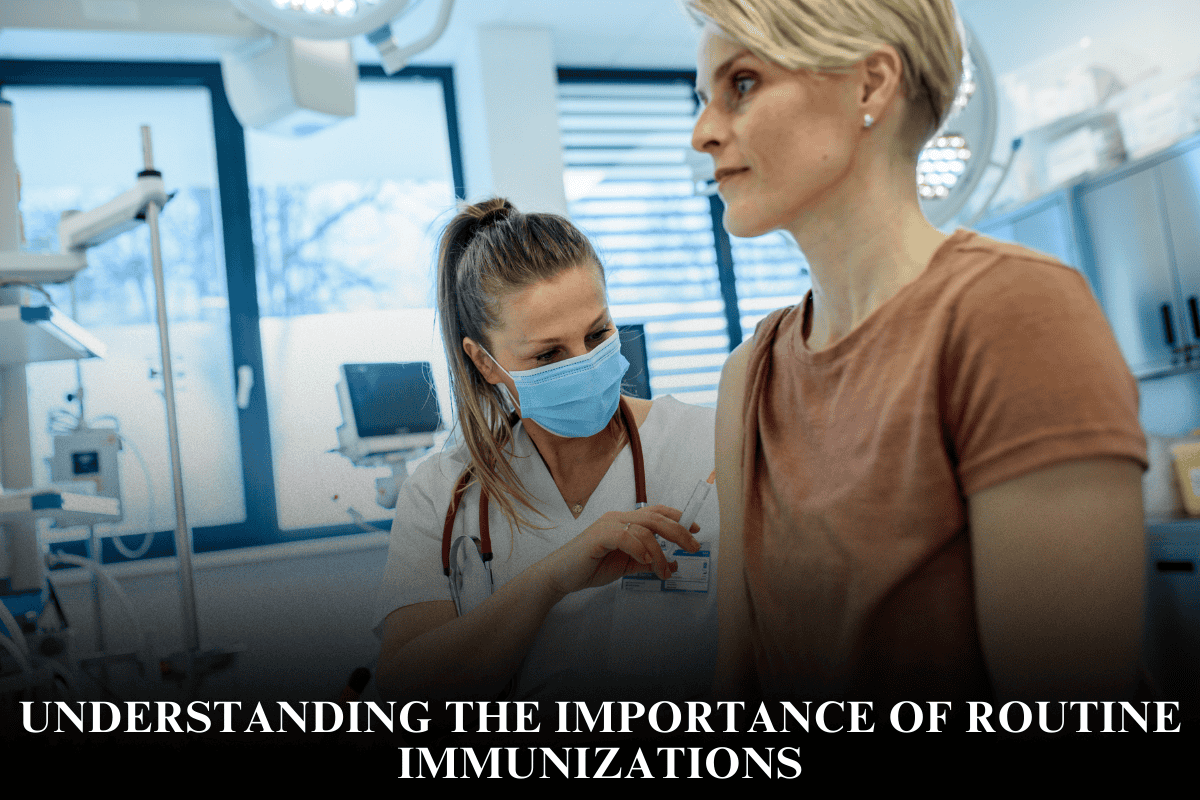
Respiratory illnesses such as influenza, RSV, and COVID-19 remain seasonal threats requiring vaccination and preventive measures. Public health monitors emerging infections closely to initiate timely response.
Environmental Health Risks
Lead exposure in older housing, mold, pest infestations, and water quality issues present ongoing environmental health risks in Monmouth County. Many homes were built before modern safety standards, increasing the need for inspections and remediation programs.
The department addresses these hazards through regulations, community outreach, and partnerships to improve healthy housing and reduce exposures contributing to asthma and other illnesses.
Social Determinants Influencing Health
Underlying social determinants such as housing affordability, food security, transportation access, and economic stability heavily influence health outcomes. High costs and lack of resources limit healthcare access and healthy lifestyle choices for vulnerable populations.
Efforts to address these root causes include community resource navigation hubs, impactful policies, and multisector collaboration targeting equity in health services and social support.
Frequently Asked Questions
What are the main chronic diseases affecting Monmouth County residents?
Heart disease, cancer, diabetes, and chronic respiratory diseases are the leading contributors to morbidity and death.
Why is mental health a major community concern in Monmouth County?
Limited access to services, stigma, and rising substance use, particularly opioids, contribute to widespread mental health challenges and the need for expanded supports.
How is the county addressing infectious diseases?
Through vaccination campaigns, surveillance, education, and access to testing and treatment for STIs and respiratory illnesses.
What environmental hazards impact health here?
Lead in older housing, mold, pests, and water quality issues are ongoing risks that the health department works to mitigate via inspections and community programs.
How do social factors affect health outcomes in the county?
Lack of affordable housing, food insecurity, and limited transportation access create barriers to healthcare and healthy living, requiring integrated social and health interventions.
Monmouth County’s comprehensive community health approach prioritizes monitoring and intervention targeting these risks. Public awareness, prevention, and equitable access to services remain essential to improving health outcomes county-wide.