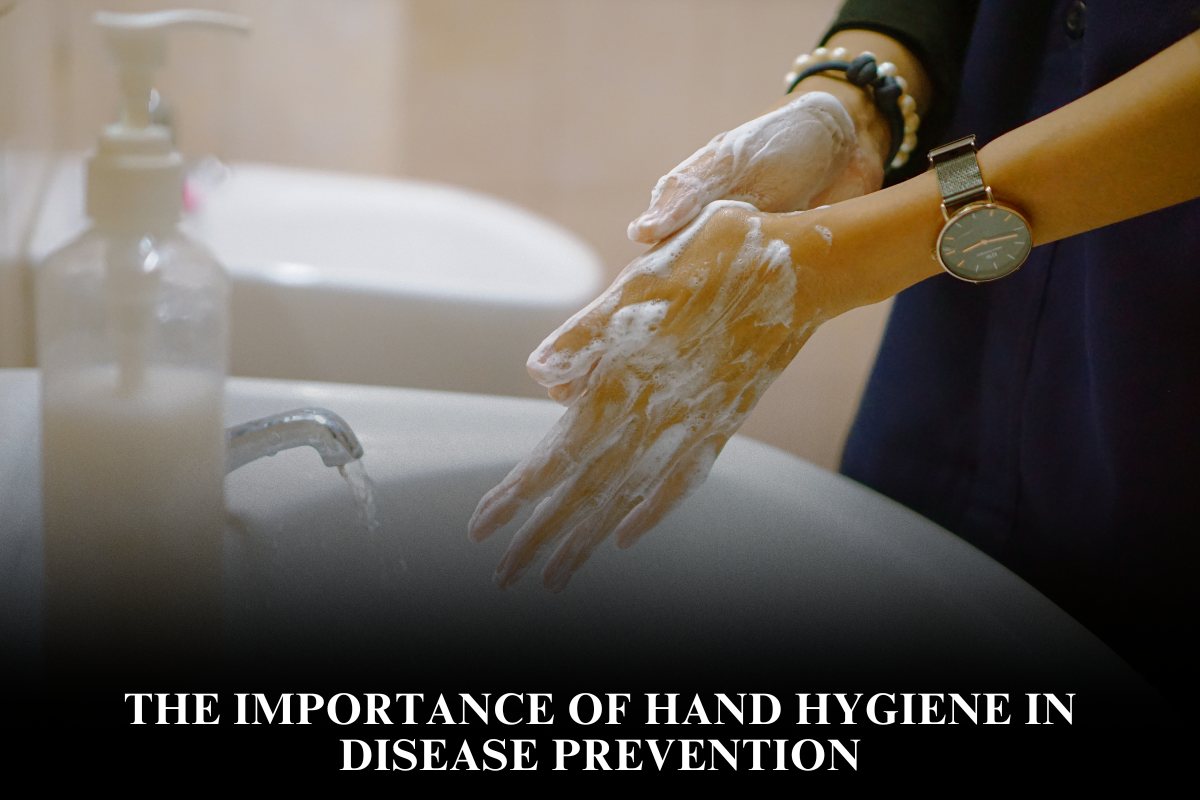
Hand hygiene stands as the simplest, most effective barrier against infectious diseases, preventing up to 50% of healthcare-associated infections and 30% of diarrhea cases per CDC and WHO data. In the USA, where antibiotic resistance claims 35,000 lives annually, consistent washing with soap disrupts pathogen transmission on hands that contact 300 surfaces hourly, saving billions in medical costs.
Mechanisms of Pathogen Transmission
Hands serve as fomites, harboring viruses like norovirus (up to 10^8 particles after contact) and bacteria such as E. coli or MRSA, surviving hours to days on skin. Touching contaminated surfaces then mucous membranes spreads respiratory illnesses (20% reduction via hygiene) and gastrointestinal pathogens. Mechanical friction and soap’s surfactants emulsify lipids in viral envelopes, while alcohol (60-80%) denatures proteins—20 seconds ensures 99.9% log reduction.
Healthcare Impact and Statistics
CDC reports hand hygiene compliance below 50% in hospitals correlates with 1 in 31 patients acquiring HAIs yearly, costing $45 billion. WHO’s multimodal strategy boosts adherence 50%, cutting infections 40% and resistance spread. During COVID-19, hygiene slashed SARS-CoV-2 transmission 16-21% in communities, per meta-analyses.
Community and Household Prevention
Frequent washing (5-10 times daily) reduces respiratory infections 16-21% and diarrhea 30%, per systematic reviews—school programs cut absenteeism 29-57%. Vulnerable groups like children under 5 (1.8M global diarrhea deaths) and immunocompromised benefit most, with 58% infection drop. Public campaigns emphasize “Moments”: before eating, after toilet, post-coughing.
Proper Technique and Alternatives
WHO’s 5 Moments guide timing: clean palms, backs, fingers, thumbs, nails with soap 20 seconds, dry thoroughly—air drying spreads germs less than towels. Alcohol-based sanitizers suit low-soiling scenarios (kill 99.99% bacteria), but soap excels against norovirus. Bar vs. liquid soap equivalent; warm water unnecessary.
Challenges and Behavioral Strategies
Compliance lags due to time (sink access), skin irritation, workload—multimodal interventions (training, reminders, audits) raise rates 40%. Skin care with moisturizers prevents cracks harboring bacteria. Education targets beliefs: “hygiene protects family,” boosting adherence 62% in typhoid studies.
Long-Term Public Health Benefits
Reducing HAIs shortens stays, cuts antibiotic use (key resistance driver), and saves $16 per $1 invested per WHO. School hygiene prevents 23-40% diarrhea; community efforts curb outbreaks like flu (16-21% reduction).
FAQs
Q. How many seconds for effective handwashing?
20 seconds with soap covers all surfaces (palms, backs, fingers, thumbs, nails), achieving 99.9% pathogen reduction per CDC/WHO—sing “Happy Birthday” twice.
Q. Does sanitizer replace soap?
No for norovirus/clostridium; alcohol kills enveloped viruses/bacteria but soap disrupts all—use sanitizer between sinks, soap at “5 Moments.”.
Q. Hand hygiene impact on antibiotic resistance?
Prevents 30% diarrhea/20% respiratory infections, reducing unnecessary prescriptions—the top resistance driver, saving lives/costs.
Q. Why healthcare compliance <50%?
Sinks, time, irritation—multimodal strategies (training, gel dispensers, audits) boost 50%, cutting HAIs 40% per WHO.
Q. Frequency recommendation?
5-10 times daily prevents most infections; >10 offers marginal gains but protects high-risk groups 58% per meta-analyses.