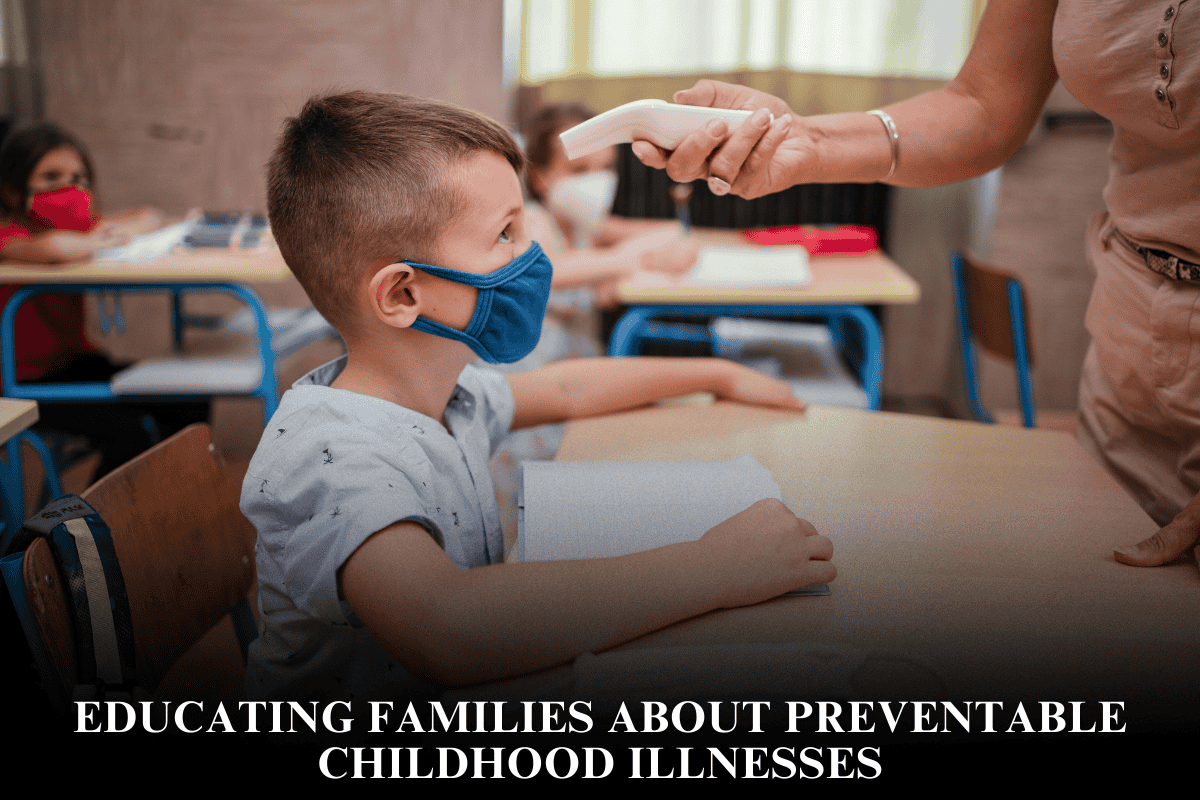
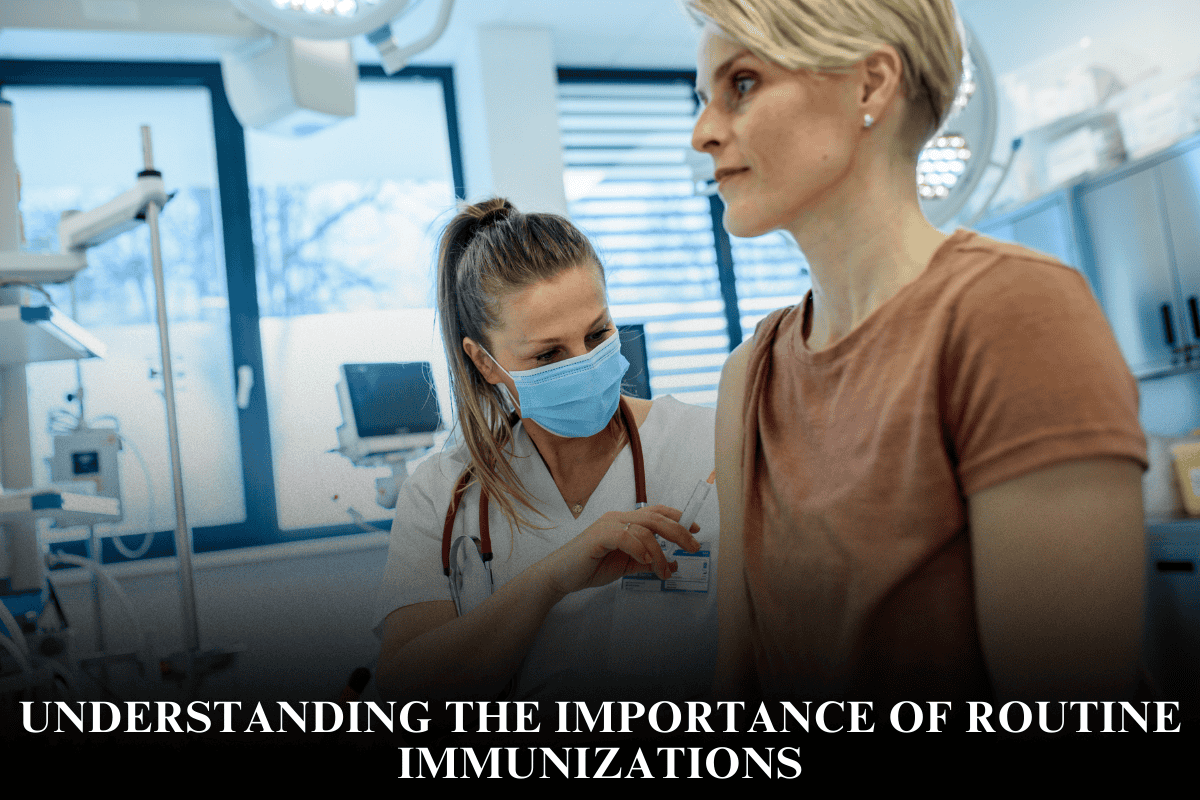
Back-to-school health awareness equips U.S. families and educators to safeguard children’s physical, mental, and emotional well-being amid packed schedules and germ exposure. With 50 million students returning annually, CDC and AAP guidelines stress vaccinations, screenings, and routines to curb outbreaks and support learning, reducing absenteeism by 20-30%. In 2025, amid lingering post-pandemic effects, this focus prevents flu/COVID surges and addresses rising youth anxiety, per NAMI resources.
Vaccinations and Preventive Checkups
Annual physicals catch growth issues early; AAP mandates them for school entry, including vision/hearing tests vital for 1 in 4 kids with undetected problems. State laws require MMR, DTaP, and polio shots; add flu/COVID vaccines for herd immunity, as unvaccinated clusters fuel 15% of absences. Sports physicals assess heart/musculoskeletal risks, combining with general exams for efficiency.
NYC Health + Hospitals urges pre-school doctor visits for personalized plans, especially for asthma (affecting 6 million kids).
Combating Germs and Chronic Conditions
Handwashing and mask policies cut respiratory illnesses 40%; stock sanitizers and teach cough etiquette. Manage asthma via action plans shared with schools—inhalers access saves ER visits. Diabetes/ADHD kids need updated meds/instructions for nurses. Lung Association highlights clean air; avoid vaping talks, as 2.25 million youth use tobacco products.
Mental Health Integration
School stress spikes anxiety/depression in 1 in 6 kids; NAMI toolkits foster open talks, creating safe spaces via daily check-ins. SAMHSA resources help spot signs like withdrawal, connecting to counselors—school connectedness boosts resilience 25%. MHANational advises routines: consistent sleep (9-12 hours), limiting screens to 2 hours daily.
Nutrition and Sleep Foundations
Pack fruits/veggies, whole grains, water over soda—school lunches meet USDA standards but home boosts immunity. Sleep hygiene combats fatigue; 7-9 PM bedtimes align with early buses, improving focus 15%. Limit caffeine/sugar for stable energy.
Physical Activity and Screen Balance
60 minutes daily movement via recess/sports prevents obesity (20% kids); family walks build habits. Balance screens with outdoor play, per AAP—excess links to sleep disruption and isolation.
School and Community Roles
CDC’s What Works promotes health ed, services, safe environments; wellness policies ensure nutrition/activity. SBHA series trains SBHCs for primary care, immunizations, family ties. Parents: Update emergency contacts, allergies.
Long-Term Benefits
Early awareness yields better grades, fewer ERs (saving $500/family/year), lifelong habits. Track via apps; involve kids in goals.
FAQs
Q. Why annual physicals before school in the USA?
They screen vision/hearing/growth, update vaccines, manage chronic issues—required for enrollment, preventing 20% absences.
Q. How to address youth mental health back-to-school?
Daily check-ins, NAMI talks, counselor access; routines cut anxiety, per SAMHSA—1 in 6 kids affected.
Q. What vaccinations are mandatory for 2025 U.S. schools?
MMR, DTaP, polio, varicella; flu/COVID recommended—check state laws via CDC.
Q. How does nutrition impact school performance?
Fruits/whole grains fuel focus; water over soda boosts immunity—AAP-endorsed for energy.
Q. Why prioritize sleep and activity?
9-12 hours/night + 60 min movement improve learning 15%, combat obesity per CDC.