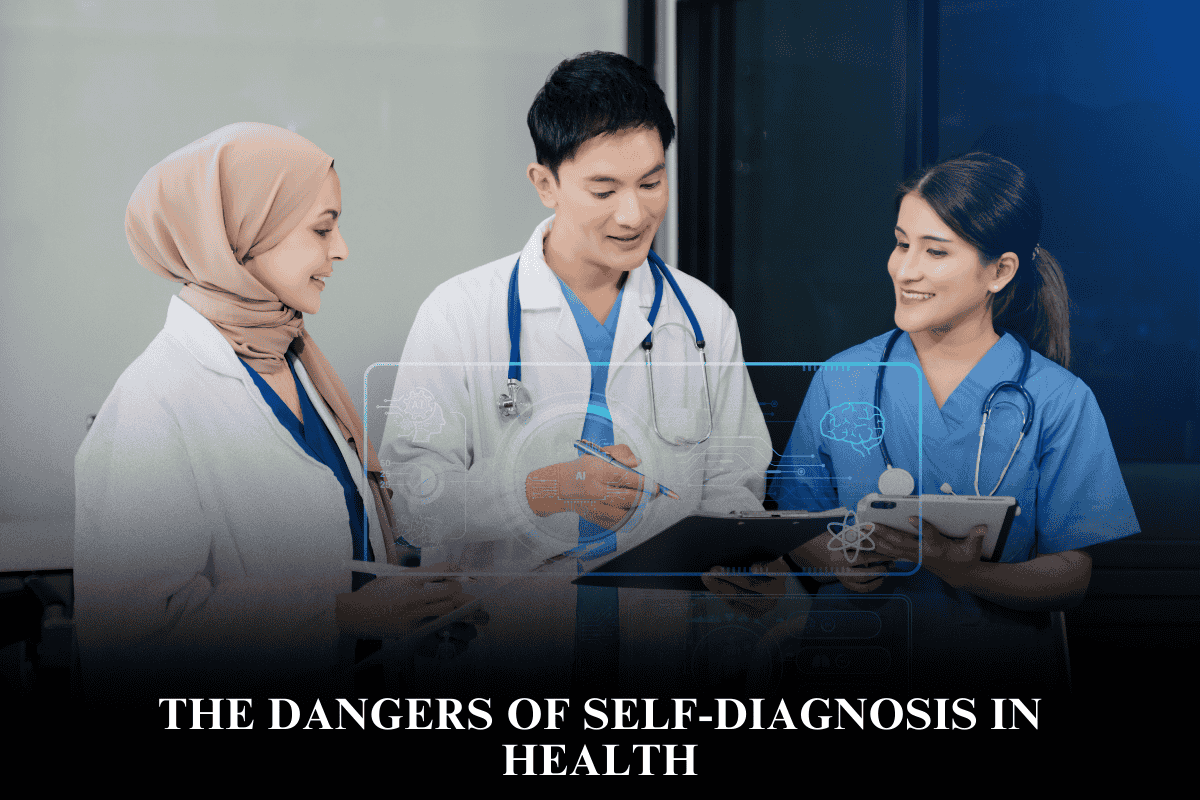
Self-diagnosis has become increasingly common as people use search engines, social media, and online symptom checkers to label their own health problems without professional input. While being informed is valuable, trying to act as one’s own doctor can lead to misdiagnosis, delayed treatment, unnecessary anxiety, and harmful self-treatment decisions. These risks apply to both physical and mental health, where overlapping symptoms and misleading content make accurate interpretation especially difficult.
Why Self-Diagnosis Is So Risky
Many conditions share similar symptoms, so individuals often jump to serious or completely incorrect conclusions, a pattern that fuels “cyberchondria” – excessive health anxiety driven by online searching. This can make minor issues feel life-threatening or, conversely, cause people to dismiss serious signs like chest pain or neurological changes as something harmless. In mental health, self-diagnosis based on short videos or posts may confuse normal stress or personality traits with complex disorders, leading to stigma, identity confusion, or trivializing those conditions.
Consequences: Delay, Harm, and Misinformation
When people believe their self-diagnosis, they often delay or avoid seeking professional care, which can allow underlying diseases like infections, heart issues, or tumors to worsen. Others may self-medicate with over-the-counter drugs, borrowed prescriptions, supplements, or online treatments, risking dangerous side effects, drug interactions, and masking of true symptoms. Incorrect labels can also increase anxiety, create confirmation bias, and distort communication with clinicians if patients only share details that fit their self-diagnosed condition.
Safer Ways to Use Health Information
Online resources are most helpful when treated as educational tools rather than diagnostic engines, used to prepare questions instead of to conclude diagnoses. The safest approach is to note symptoms, duration, and concerns, then discuss them openly with qualified health professionals who can examine, test, and interpret findings in context. Trusted medical sites can then support understanding after a professional diagnosis, helping patients participate actively in their care without replacing expert judgment.
FAQ
Is it ever okay to look up symptoms online?
Yes, as a way to learn and prepare questions, but not to finalize a diagnosis or decide treatment on your own.
How does self-diagnosis increase anxiety?
People tend to focus on worst-case scenarios, leading to cyberchondria, constant worry, and obsession with rare diseases.
What is the biggest danger of self-diagnosing serious illness?
You may miss or minimize life-threatening conditions such as heart attacks, strokes, infections, or tumors by mislabeling symptoms.
Why is self-diagnosing mental health issues problematic?
It can mislabel normal experiences, delay proper treatment, encourage harmful coping (like substance use), and trivialize real disorders.
What’s wrong with using social media for mental health “tests”?
Short, decontextualized content is often inaccurate; it creates echo chambers and encourages people to adopt diagnoses without assessment.
Can self-treatment really be dangerous?
Yes; taking unprescribed medications, mixing drugs, or following unverified advice can worsen illness or cause serious side effects.
How should I talk to my doctor if I’ve already searched online?
Be honest about what you read, but share all symptoms and let your clinician lead diagnosis and testing decisions.
What is the best alternative to self-diagnosis?
Monitor symptoms, use reputable information sources for background, and seek timely evaluation from licensed healthcare professionals.