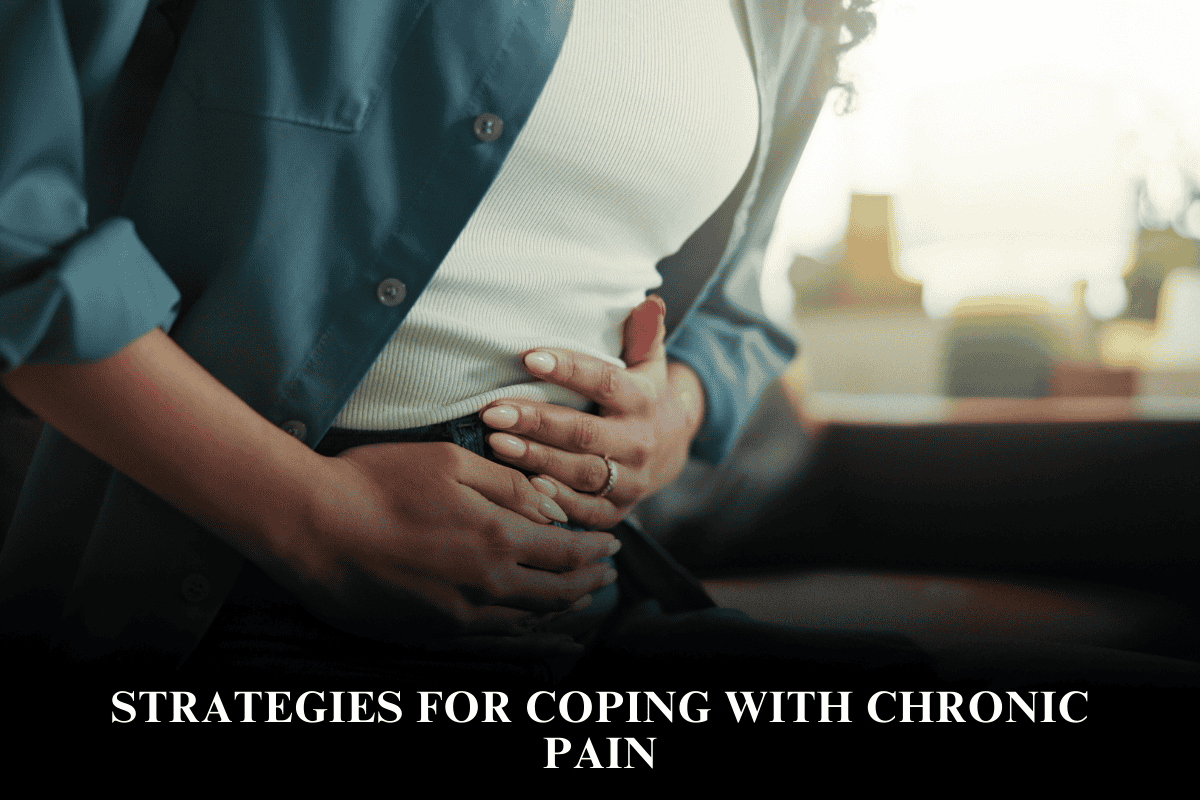
Strategies for coping with chronic pain combine medical care, movement, and mindset tools to reduce suffering and improve daily function. A mix of medication, physical therapy, psychological approaches, and lifestyle changes generally works better than relying on drugs alone.
Medical and Physical Strategies
Healthcare teams often use non-opioid medicines first, such as anti-inflammatories, certain antidepressants, or nerve-pain drugs, reserving opioids for short-term or clearly justified cases. Physical therapies like supervised exercise, stretching, hydrotherapy, and tailored physiotherapy help maintain strength, flexibility, and joint stability while lowering pain over time.
Heat and cold packs are simple but effective: cold reduces inflammation after flares, while heat relaxes tight muscles in ongoing pain. Gentle movement—walking, yoga, or tai chi—often eases stiffness and boosts mood when increased slowly and paced through the day.
Mind-Body and Psychological Approaches
Cognitive–behavioral therapy (CBT) helps people change unhelpful thoughts about pain, reduce distress, and improve sleep and daily functioning even if pain itself does not fully disappear. Relaxation techniques like deep breathing, progressive muscle relaxation, and guided imagery lower muscle tension and stress, which can intensify pain.
Mindfulness and meditation teach focusing on the present moment without judgment, which reduces anxiety and the feeling of being overwhelmed by chronic pain. Mind–body options such as acupuncture, yoga, and tai chi support both physical conditioning and stress reduction.
Lifestyle, Support, and Pacing
Good sleep habits—regular bedtimes, limiting screens, and using the bed only for sleep and intimacy—can lessen pain sensitivity and fatigue. Pacing activities (doing tasks in smaller chunks with planned breaks) prevents the “boom-and-bust” cycle of overdoing it on good days and crashing afterward.
Staying engaged in meaningful activities and social connections releases endorphins and improves mood, which in turn can decrease the perception of pain. Support groups, whether online or in-person, provide validation, shared tips, and encouragement.
FAQ
Is chronic pain best treated with medication alone?
No; evidence shows combining medicines with physical, psychological, and lifestyle strategies works better than drugs alone.
Can exercise make chronic pain worse?
Done too quickly it can flare symptoms, but graded, guided exercise usually reduces pain and improves function over time.
How does stress affect chronic pain?
Stress heightens pain sensitivity; relaxation, CBT, and mindfulness can lower stress and reduce pain’s impact.
Are opioids recommended for long-term chronic pain?
They are generally reserved for short-term or carefully selected cases because of addiction risk and limited long-term benefit.
When should someone seek specialist help?
If pain lasts more than three months, disrupts sleep, mood, or work, or if current treatments are not helping, a pain specialist or multidisciplinary clinic can reassess and adjust the plan.