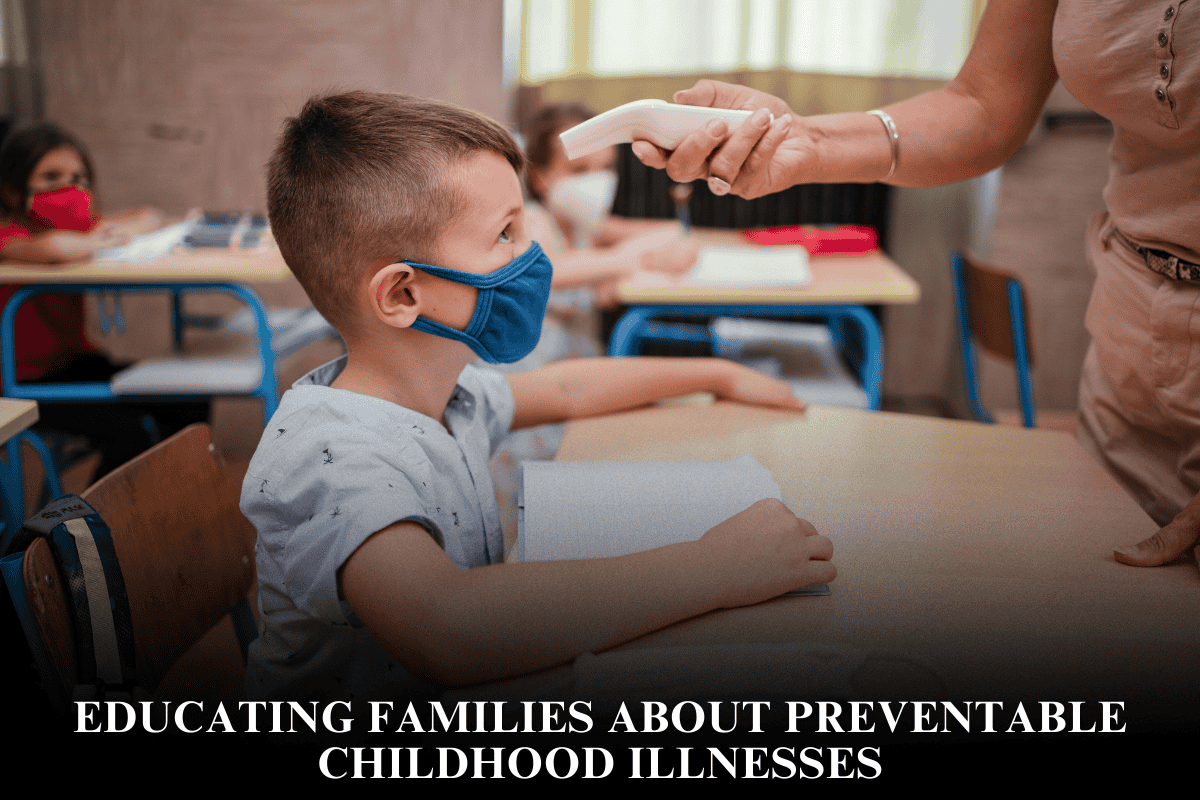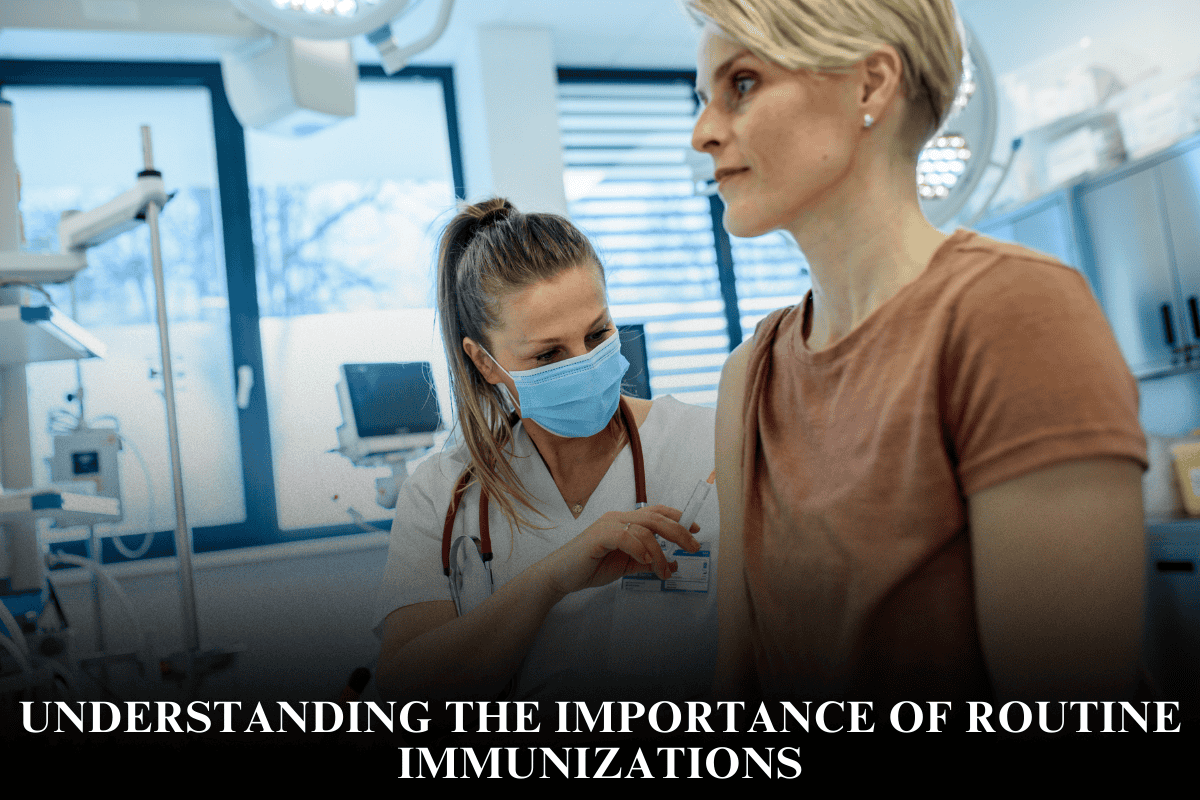
Raising awareness about preventable infectious diseases empowers communities to adopt simple measures like vaccination and hygiene, drastically cutting illness rates and saving lives. In the U.S., vaccine-preventable diseases like measles, flu, and whooping cough still cause outbreaks despite available tools, with 733 measles cases reported by early 2026—92% outbreak-linked.
Major Preventable Threats
Measles tops concerns, with 733 U.S. cases in 2026 so far, mostly among unvaccinated kids under 19; outbreaks hit 20 states including Texas, sparking cross-border spread. Flu infects 20% yearly despite vaccines preventing hospitalizations, while RSV surges in infants, driving emergency visits.
Healthcare-associated infections (HAIs) affect 1 in 20 patients; only two-thirds of states mandate reporting. HPV, hepatitis, and TB persist due to low screening and vax rates—fewer than half require HPV shots for preteens.
Vaccination Gaps Exposed
Just 91.5% of toddlers get MMR, below herd immunity thresholds, fueling resurgences. Adult deaths from these diseases hit 50,000 annually; only a quarter of states vaccinate half their population against seasonal flu. State scores on prevention indicators average 5/10, with Georgia, Nebraska, and New Jersey at 2/10—highlighting lab capabilities, workforce, and policy shortfalls.
These gaps stem from uneven policies and hesitancy.
Awareness Strategies That Work
Public campaigns boost vax rates 10-20% via education on risks—like measles’ 1-2/1,000 severe complication rate. Community outreach, school mandates, and free clinics counter myths; NFID stresses routine screenings as top defense.
Strengthen labs for rapid detection, prioritize antibiotic resistance research, and fund workforce—core to reversing trends.
Role of Policy and Community
Top states like New Hampshire (8/10) excel in flu vax, HAI tracking, and superbug measures. Federal goals via Healthy People 2030 target infectious disease cuts through better data and access. Individuals: Verify vax status, promote hygiene, advocate locally.
Recent Texas measles bout, the largest in decades, underscores urgency amid policy shifts.
Building Momentum
Social media, doctor reminders, and employer incentives drive uptake. Global trackers show U.S. trends mirror stalled immunization worldwide, but targeted awareness reverses this.
FAQ
Q. Why measles outbreaks despite vaccines?
Vax gaps below 95% herd immunity; 95% of 2026 cases unvaccinated or unknown status.
Q. How effective are flu shots?
Prevent hospitalizations; needed doses vary by age, saving thousands of deaths yearly.
Q. What scores states poorly?
Weak HAI reporting, low flu/HPV vax mandates, poor lab readiness—33 states ≤5/10.
Q. Prevent RSV without vaccine?
Handwashing, avoiding sick contacts; highest risk in infants under 1.
Q. Adults need these vaccines too?
Yes, ~50,000 die yearly from preventable diseases; check status via CDC tools.