Raising awareness about childhood health and development is essential amid alarming declines in U.S. children’s well-being, as recent studies show worsening trends across physical, mental, and developmental indicators. This article highlights key challenges, evidence-based strategies, and actionable steps for parents, educators, and communities to foster healthier futures.
Current Crisis in Child Health
U.S. children’s health has deteriorated significantly since 2007, with nearly every major indicator showing decline. A comprehensive JAMA study analyzing data from national surveys, mortality records, and over 2 million electronic health records found U.S. kids nearly twice as likely to die as peers in other high-income nations between 2007 and 2022.
Leading causes include firearm injuries, motor vehicle crashes, prematurity, and sudden infant death, alongside a 16% rise in child and teen deaths from 2019 to 2023.
Chronic conditions have surged: from 39.9% to 45.7% in pediatric systems and 25.8% to 31.0% generally among 3- to 17-year-olds. Mental health crises are acute, with anxiety, depression, and eating disorder diagnoses tripling in some groups; more children report loneliness, sadness, fatigue, pain, and sleep troubles.
Obesity and Early Puberty Trends
Childhood obesity climbed from 17.0% to 20.9%, exacerbating risks for diabetes, heart disease, and mental health issues later in life. Early menstruation in girls rose over 60%, linked to environmental factors, diet, and stress, disrupting normal development. About 1.9% of children ages 0-11 report fair or poor health, with 5.9% of 5-11-year-olds missing 11+ school days due to illness or disability.
Despite positives like 95% health insurance coverage in 2023 (up from 94% in 2019) and declines in teen births and child poverty in some states, activity limitations and emotional symptoms persist.
Developmental Milestones Matter
Early childhood development encompasses physical growth, cognitive skills, social-emotional abilities, and language. The CDC tracks milestones like smiling by 2 months, walking by 12-15 months, and two-word sentences by 24 months; delays affect 1 in 6 U.S. children. Factors like poverty, limited access to care (though 96-97% of kids have a usual health source), and screen time hinder progress.
National surveys like the NSCH provide yearly estimates on well-being, special needs, family dynamics, and neighborhood safety, revealing gaps in after-school support and parental health.
Mental Health and Social Factors
Loneliness and sadness reports have spiked, aligning with post-pandemic isolation and social media effects. The Annie E. Casey Foundation’s 2025 KIDS COUNT notes progress in high school graduation and parental employment but setbacks in math proficiency and deaths. Systemic issues—economic stress, environmental toxins, poor nutrition—demand cross-sector action.
Raising Awareness Strategies
Communities can amplify change through education. Schools and pediatricians use tools like CDC milestone trackers for early screening; 2026 NSCH will refine data on these. Campaigns should target parents via apps, social media, and clinics, emphasizing nutrition (e.g., whole foods over processed), 60 minutes daily activity, and limited screens.
Partnerships between HRSA, CDC, and local groups promote equitable access, especially for underserved kids. Policy advocacy for mental health funding and violence prevention is key.
Role of Families and Schools
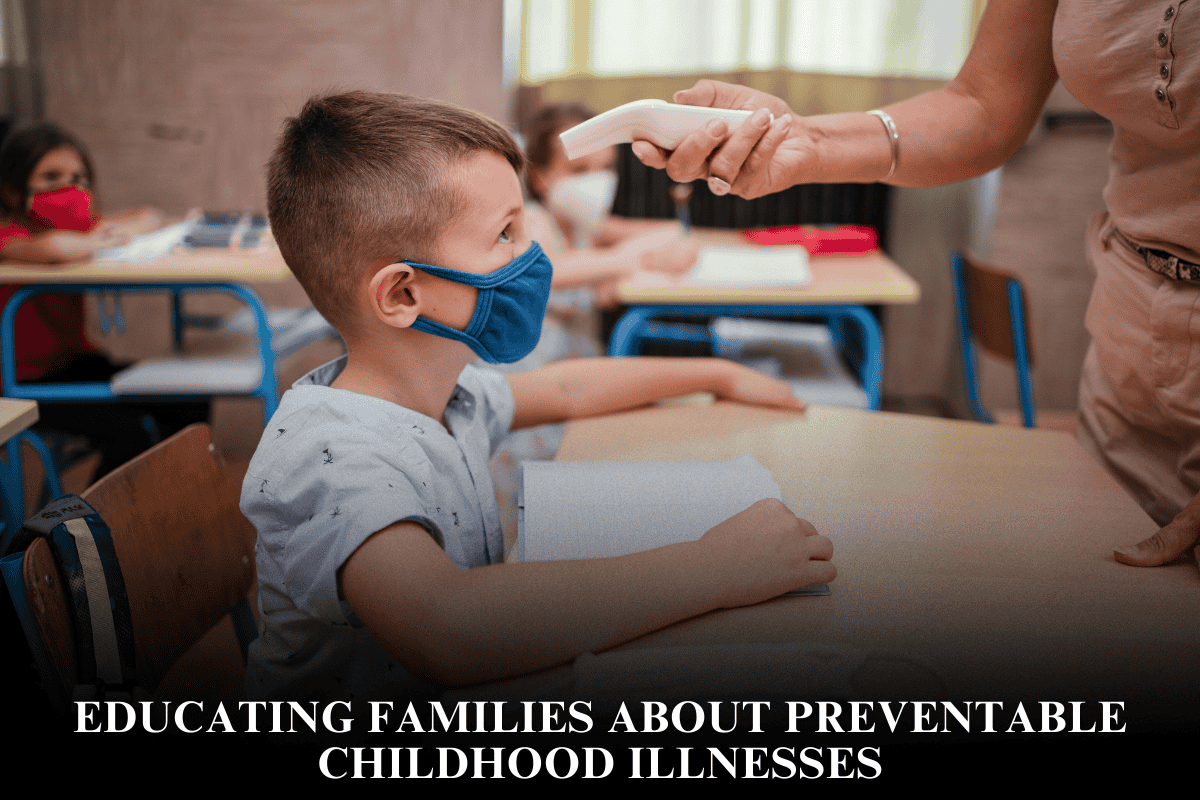
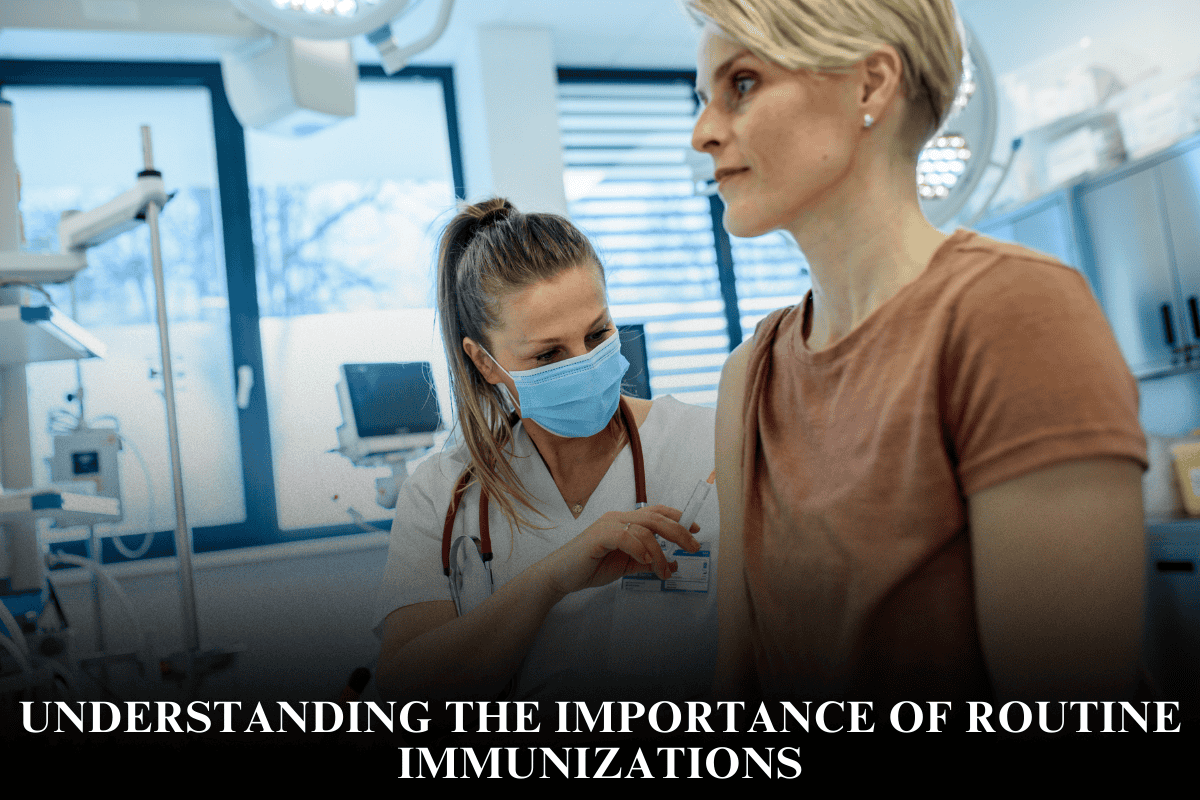
Parents: Model healthy habits, read daily, ensure vaccines and checkups. Schools: Integrate play-based learning, mindfulness, and nutrition programs. Evidence shows these reverse declines when scaled.
Equity-focused efforts, like those from UCLA’s Center for Healthier Children, stress rebuilding developmental ecosystems via policy shifts.
Path Forward
Awareness sparks action: monitor milestones, advocate for green spaces and mental health services, and support research like PEDSnet. Reversing trends requires national commitment to root causes, yielding productive adults and lower long-term costs.
FAQs
1. What are the biggest threats to U.S. child health today?
Firearm injuries, chronic diseases, obesity, mental health disorders, and higher mortality than peer nations.
2. How has children’s mental health changed recently?
Anxiety, depression, and eating disorders have tripled; more report sadness, loneliness, and sleep issues.
3. What percentage of U.S. children have health insurance?
95% in 2023, up from 94% in 2019, aiding access.
4. How can parents track development?
Use CDC milestone checklists for ages 0-5; consult pediatricians for delays.
5. Why is early intervention critical?
It prevents lifelong issues; 1 in 6 kids face delays, fixable with timely support.