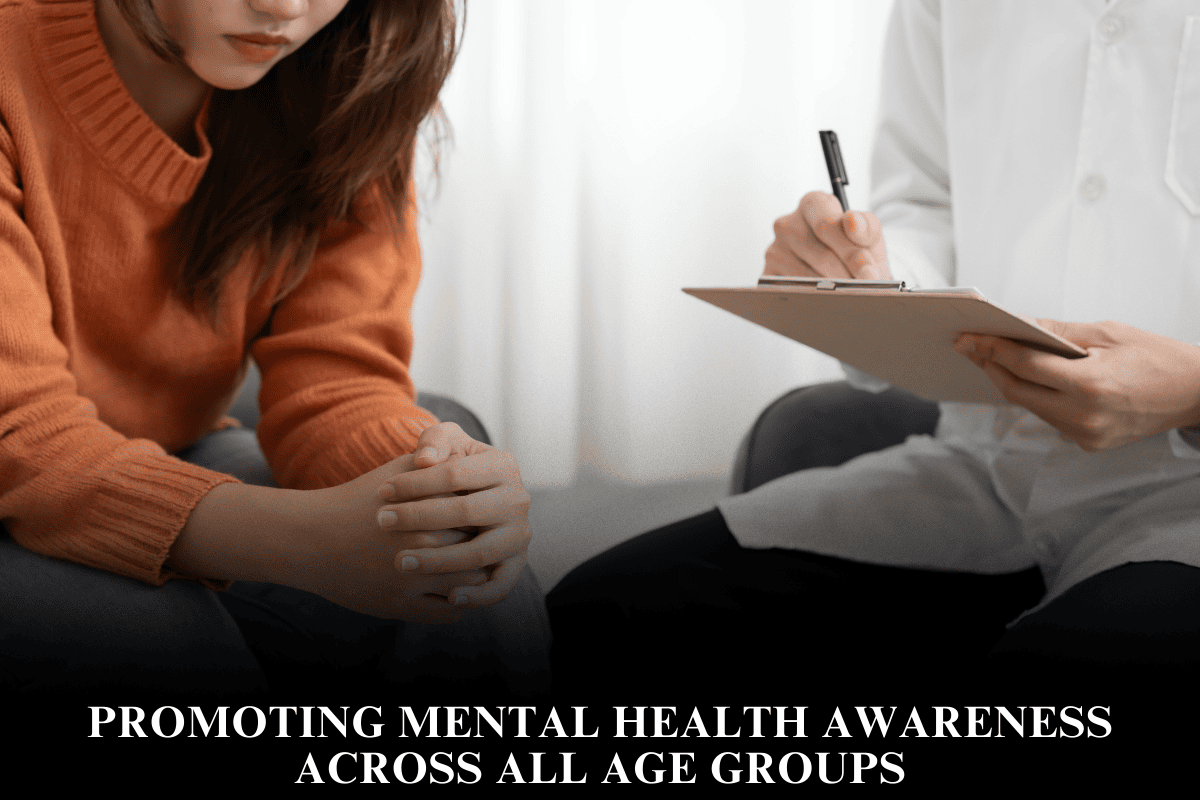
Promoting mental health awareness across all age groups fosters resilience, reduces stigma, and builds supportive communities for better overall well-being. Comprehensive strategies tailored to children, teens, adults, and seniors ensure everyone accesses resources and conversations that normalize seeking help. These efforts yield long-term societal benefits through healthier minds and stronger relationships.
Strategies for Children
Young kids benefit from play-based learning and family involvement to grasp emotions early. Schools integrate mindfulness activities like breathing exercises during circle time, while parents model calm responses to stress.
- Picture books on feelings help toddlers name emotions.
- Puppet shows in preschools teach coping skills.
- Daily check-ins normalize sharing worries.
Consistent reinforcement prevents issues from escalating into behavioral challenges.
Approaches for Teens
Adolescents face peer pressure, social media, and academic stress, making peer-led initiatives effective. Campaigns use TikTok challenges and school assemblies to destigmatize therapy.
- Anonymous apps connect youth with counselors.
- Clubs host mental health movie nights.
- Influencers share recovery stories.
Evidence shows early teen interventions cut adult depression rates by 20-30% through habit formation.
Tactics for Adults
Working adults juggle careers, family, and finances, so workplace programs drive awareness. Employers offer free EAP sessions and lunch-and-learns on burnout.
- Micro-breaks apps remind users to decompress.
- Community runs pair exercise with talks.
- Podcasts normalize midlife transitions.
Flexible policies like mental health days boost productivity and retention.
Methods for Seniors
Older adults often isolate due to loss or mobility limits, so intergenerational programs shine. Senior centers host art therapy and virtual grandkid calls.
- Bingo nights double as support groups.
- Walking clubs combat loneliness.
- Tech classes teach teletherapy access.
Tailored outreach addresses dementia fears and grief uniquely.
Cross-Generational Campaigns
Unified efforts amplify impact via media blitzes and policy. National months feature PSAs on TV, while apps track moods universally.
| Age Group | Key Challenge | Awareness Tool |
|---|---|---|
| Children | Emotion ID | Storytime sessions |
| Teens | Social media | Peer hotlines |
| Adults | Work stress | EAP webinars |
| Seniors | Isolation | Community cafes |
Events like awareness walks unite families, fostering empathy across divides.
Challenges and Solutions
Barriers include cultural taboos and resource gaps, countered by multilingual materials and subsidies. Training teachers and bosses ensures organic promotion.
Measurement of Success
Track via surveys showing stigma drops and helpline upticks. Sustained funding scales proven models globally.
FAQs
Q. Why target all ages for awareness?
Age-specific stressors vary, but universal messaging builds lifelong habits and family support networks.
Q. How do schools promote mental health?
Through curriculum-embedded lessons, counselor access, and parent workshops that equip kids early.
Q. What role does social media play?
It spreads quick tips but requires fact-checking to avoid misinformation overload.
Q. Are workplace programs effective?
Yes, they reduce absenteeism by 25% and improve morale via accessible support.
Q. How to engage seniors?
Pair low-tech groups with digital tools, emphasizing joy and connection over labels.