Preventive measures rooted in awareness and community efforts significantly curb infectious disease transmission across the United States.
Public health campaigns and grassroots initiatives empower individuals to adopt hygiene practices, vaccinations, and social behaviors that protect entire populations. These strategies, backed by CDC guidelines and Healthy People 2030 objectives, reduce outbreaks and healthcare burdens nationwide.
Core Principles of Infectious Disease Prevention
Effective prevention starts with understanding transmission modes—airborne, droplet, contact, vector-borne, and fecal-oral—which guide targeted interventions. Hand hygiene remains foundational, removing up to 90% of germs when done properly with soap for 20 seconds, while alcohol-based sanitizers work against many enveloped viruses.
Respiratory etiquette, like covering coughs with elbows and wearing masks in high-risk settings, blocks droplet spread, as proven during flu seasons and COVID-19 surges.
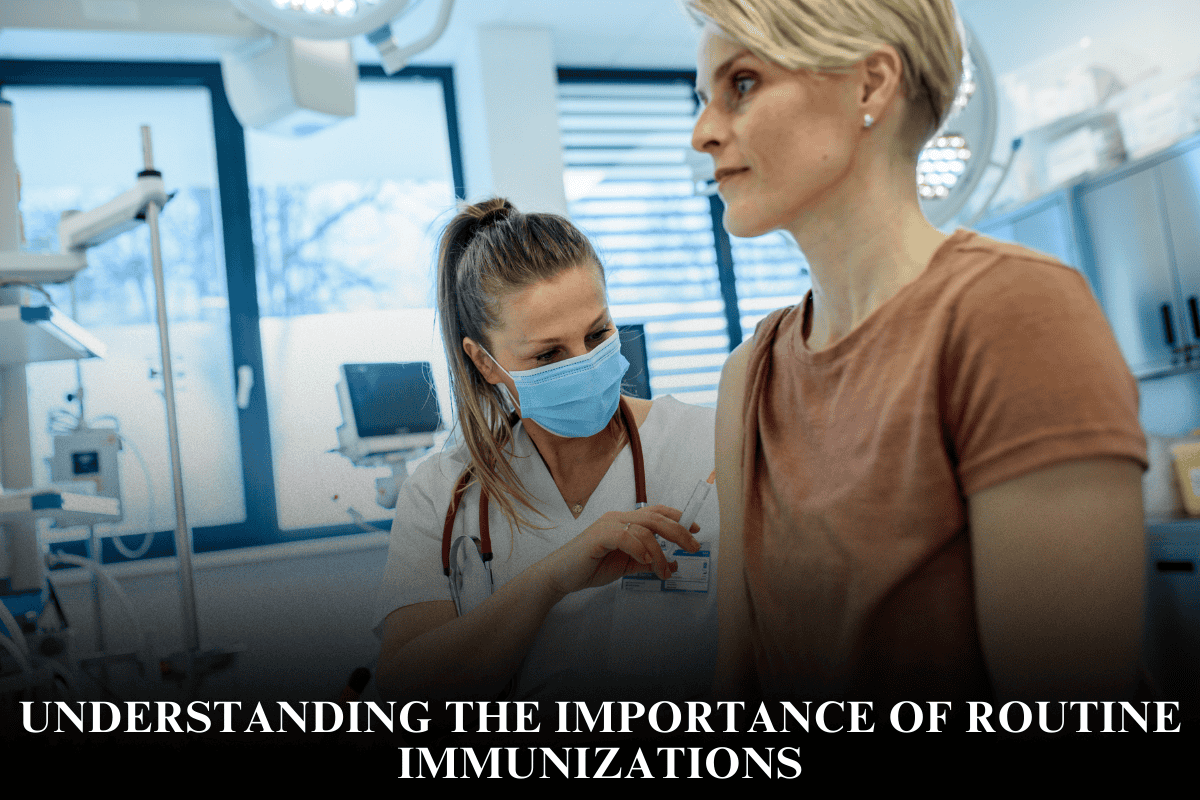
Vaccinations build herd immunity, preventing diseases like measles and pertussis; the CDC reports 94% efficacy for MMR vaccines, averting millions of cases annually. Environmental controls, including clean water access and food safety, eliminate vectors for waterborne illnesses like norovirus.
Building Awareness Through Education
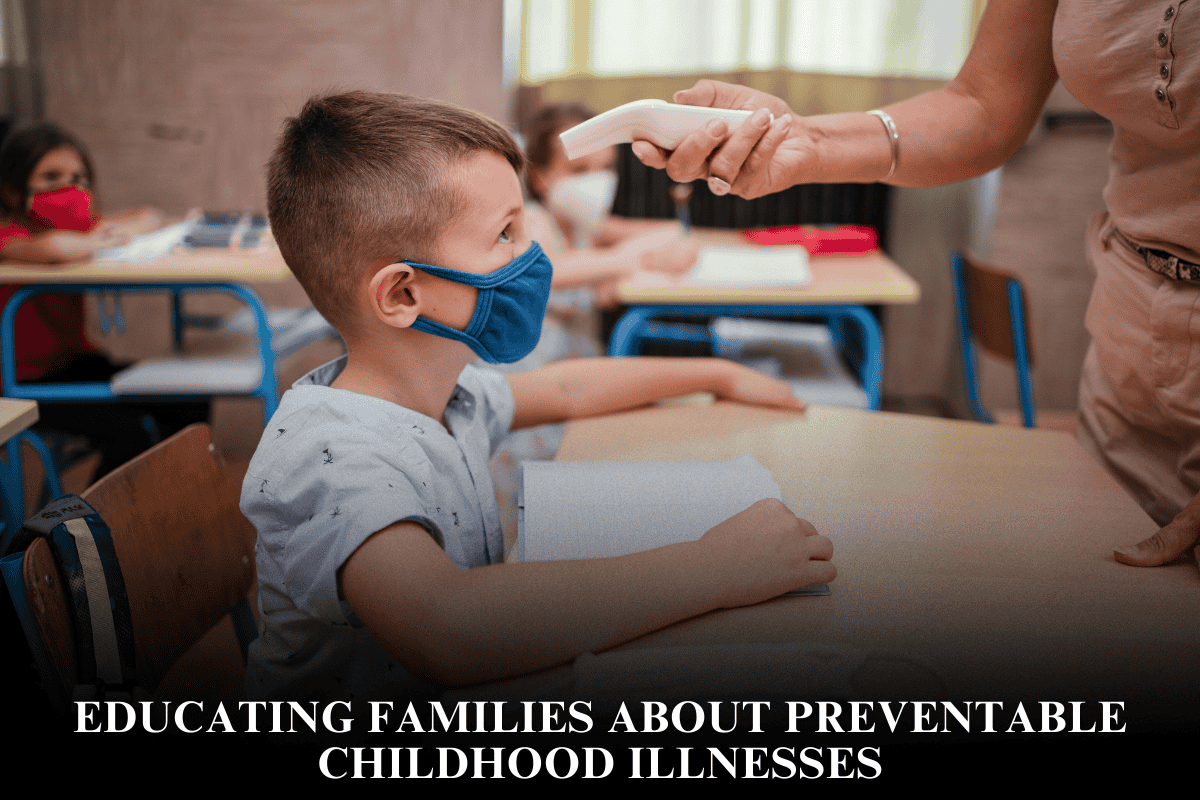
Public education campaigns transform knowledge into action. The CDC’s core infection prevention practices mandate training for healthcare personnel and patient education on handwashing, PPE use, and symptom reporting, reducing hospital-acquired infections by 70% in compliant facilities. School programs under Healthy People 2030 target vaccination rates, emphasizing flu shots for at-risk groups to cut pediatric hospitalizations.
Media drives like the “Get Smart About Antibiotics” initiative combat resistance by promoting appropriate use, while apps and social media amplify real-time alerts on outbreaks. Community workshops address cultural barriers, boosting uptake among diverse populations through multilingual materials.
Community Action Strategies
Local mobilization amplifies individual efforts. Neighborhood clean-up drives and vector control, like mosquito netting in endemic areas, prevent Zika and West Nile spread, coordinated via county health departments. Faith-based groups and PTAs organize vaccination clinics, achieving 20-30% higher coverage in underserved communities.
Contact tracing teams, powered by apps like those from state health departments, isolate cases swiftly during measles outbreaks. Social distancing protocols in workplaces and events, enforced voluntarily, slashed transmission rates by 50% in past pandemics. Food safety coalitions monitor recalls, educating on proper cooking to curb Salmonella incidents.
Role of Government and Partnerships
Federal agencies like the CDC and HHS fund surveillance systems, detecting threats early through ProMED and syndromic monitoring. State-level mandates require school vaccinations, with exemptions tracked to maintain immunity thresholds above 95%. Public-private partnerships, including pharmacies offering free flu shots, expand access, vaccinating 50% more adults during campaigns.
HRSA-supported clinics provide low-barrier testing for STIs and TB, integrating treatment to break transmission chains. During emergencies, FEMA coordinates community response plans, distributing PPE and supplies efficiently.
Measuring Impact and Success Stories
Data underscores effectiveness: U.S. vaccination programs eradicated smallpox and nearly polio, while hepatitis B newborn shots prevent 90% of chronic cases. Post-COVID hygiene habits reduced norovirus outbreaks by 25% in 2025 reports. Community-led mask drives in rural areas cut flu positivity rates significantly during 2024-2025 seasons.
Healthy People 2030 tracks progress, showing declining pertussis incidence through awareness, proving sustained action yields long-term protection.
Practical Steps for Communities
Form local health committees to host hygiene fairs and vaccination drives. Partner with schools for annual flu clinics and handwashing challenges. Use free CDC toolkits for door-to-door education on symptoms and isolation.
Monitor local dashboards via health department apps and report concerns promptly. Advocate for policies like paid sick leave to encourage staying home, reinforcing collective defense.
FAQ
Q. What are the most effective personal actions to prevent infectious diseases?
Regular handwashing, staying up-to-date on vaccinations, covering coughs, and avoiding close contact when sick rank highest, alongside using insect repellent and safe sex practices.
Q. How do vaccinations contribute to community protection?
They create herd immunity, reducing spread to vulnerable groups; CDC targets high coverage for measles, flu, and hepatitis to prevent outbreaks.
Q. What role does community education play in prevention?
It promotes hygiene, PPE use, and early reporting, cutting transmission by empowering diverse groups with tailored, multilingual resources.
Q. How can neighborhoods organize against disease spread?
Through clean-ups, vaccination events, contact tracing support, and food safety workshops coordinated with local health departments.
Q. What U.S. programs track and respond to outbreaks?
CDC surveillance, Healthy People 2030 goals, and state apps enable rapid detection and response, from ProMED alerts to vaccination campaigns.