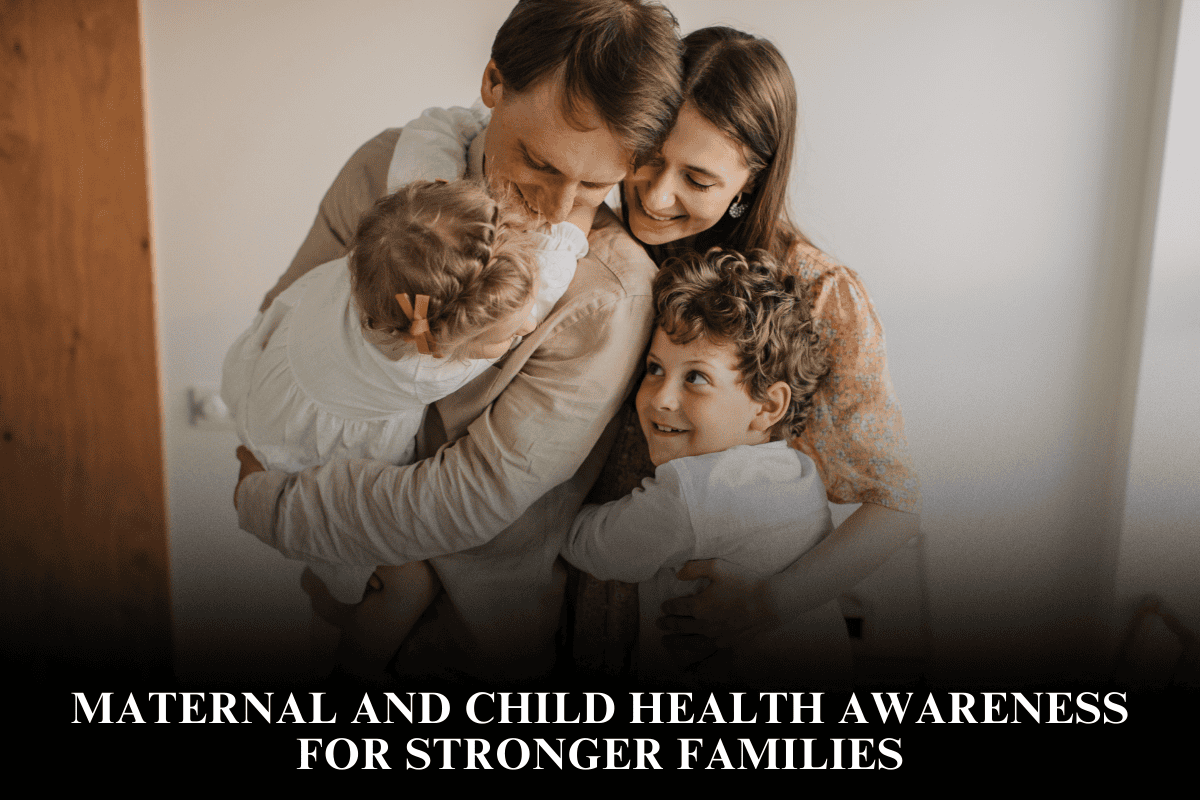
Maternal and child health awareness empowers families to prioritize prenatal care, safe delivery, and early childhood development for stronger outcomes. In the US, where maternal mortality reached 17.9-19 deaths per 100,000 live births recently, education addresses disparities and promotes preventive measures.
Current US Challenges
Mental health issues lead maternal deaths, with 96% of birthing individuals in areas lacking providers; Black women face 3x higher rates at 50.3 per 100,000. Infant mortality holds at 5.6 per 1,000 births, with rural maternity closures (27 in 2025) worsening access. Child mortality rose 14% recently, highlighting needs in vaccines, nutrition, and chronic disease management during pregnancy.
Prenatal Care Essentials
Regular checkups from week 8 detect risks like gestational diabetes or hypertension early. Folic acid (400-800 mcg daily), iron-rich foods, and 300 extra calories support fetal brain growth and prevent neural tube defects.
Avoid alcohol, tobacco, and limit caffeine to 200mg daily; manage stress through prenatal yoga. Screen for mental health at every visit to catch postpartum depression risks.
Nutrition for Mother and Baby
Balanced plates feature whole grains, lean proteins, dairy or fortified alternatives, and colorful veggies/fruits. Omega-3s from salmon aid baby’s vision; calcium builds bones.
Hydrate with 10 cups water daily. Breastfeeding for 6+ months boosts immunity, cuts obesity risk 15-30%, and supports maternal recovery.
Postpartum and Infant Wellness
Monitor for bleeding, infection, or mood changes in first 6 weeks; 31.7% pregnancy deaths occur postpartum. Infant vaccines per CDC schedule prevent 4M deaths yearly globally.
Safe sleep (back position, firm crib), tummy time, and responsive feeding build milestones. Family support networks reduce isolation.
Building Family Resilience
Community programs like home visits and doula care lower preterm births 25%. Dads/partners attend appointments; track family health apps for reminders.
Advocacy expands Medicaid postpartum coverage to 12 months in 50 states, addressing disparities.
Policy and Community Action
Nurture NJ-style initiatives complete 50%+ of 80 recommendations, from workforce training to data systems. Employers mandate mental health screenings; vaccines need clear navigation amid exemptions.
FAQs
1. What causes most US maternal deaths?
Mental health conditions top the list, surpassing hemorrhage or infection.
2. How to reduce racial disparities?
Midwives, postpartum visits, and bias training cut Black maternal mortality significantly.
3. When start prenatal vitamins?
Before conception ideally; continue through breastfeeding.
4. Signs of postpartum emergency?
Heavy bleeding (soaking pad hourly), fever over 100.4°F, severe headache, or suicidal thoughts—seek ER care.
5. Best infant feeding timeline?
Exclusive breastfeeding 6 months, then solids with continued nursing to year 1.