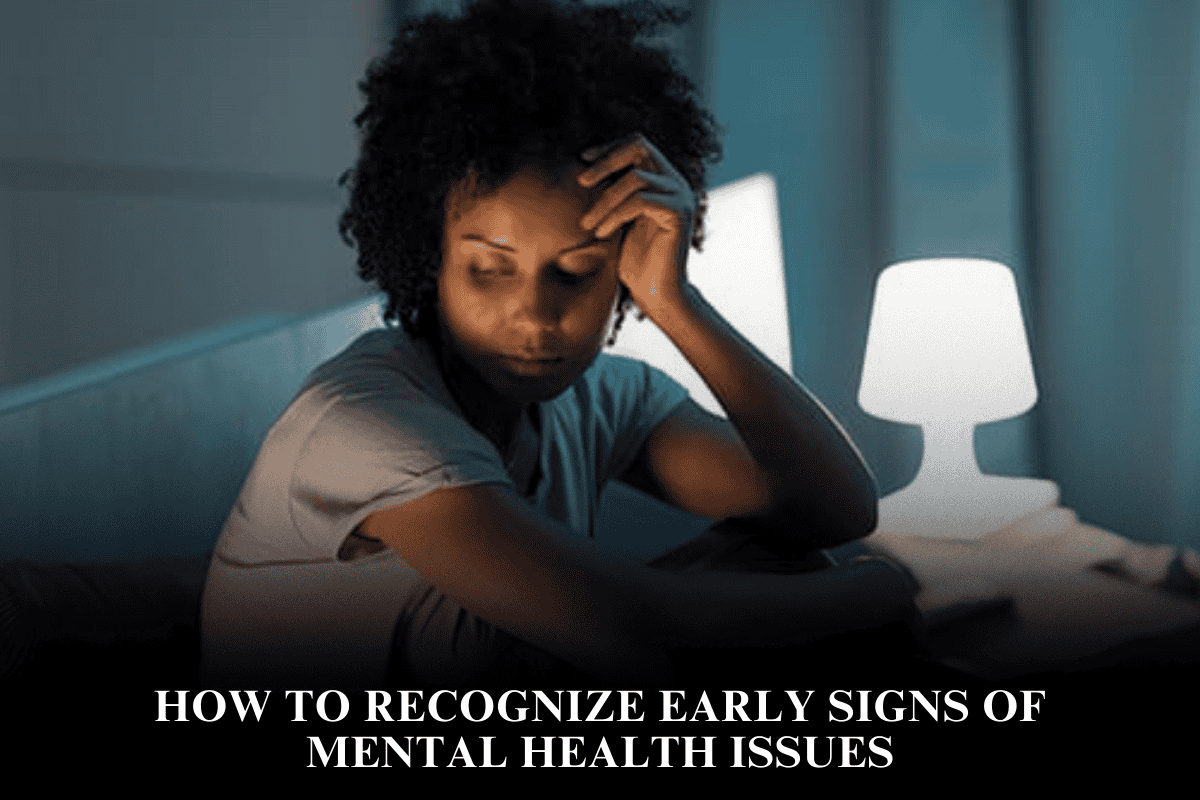
Recognizing early signs of mental health issues is crucial for timely intervention and support, enabling individuals to manage symptoms before they escalate. Mental health disorders affect thinking, emotions, and behaviors and can manifest gradually or suddenly. Being aware of the warning signs allows friends, family, and individuals themselves to seek professional help and reduce the impact on daily life.
Common Early Signs of Mental Health Issues
Emotional and Mood Changes
Changes in mood such as persistent sadness, extreme mood swings, excessive anxiety, irritability, or feelings of hopelessness are strong indicators. Someone may feel tearful for extended periods or experience rapid emotional shifts not typical for them. Unexplained anger or outbursts can also signify underlying issues such as depression or bipolar disorder.
Changes in Behavior and Social Withdrawal
A person might withdraw from friends, family, and activities they previously enjoyed. Social isolation and avoiding situations or responsibilities signal a possible mental health concern. Withdrawal often accompanies a loss of interest or motivation to engage with daily tasks or hobbies, impacting relationships and work or academic performance.
Cognitive Symptoms
Problems with concentration, memory, decision-making, or logical thinking can signal mental health decline. Difficulty focusing on tasks, confusion, or disorganized speech might appear in early phases of disorders like depression or schizophrenia. These cognitive changes frequently lead to a decline in productivity or difficulty in school or work.
Physical Symptoms
Mental health issues can manifest physically through changes in appetite and weight, sleep disturbances (including insomnia or excessive sleep), unexplained aches and pains, and fatigue. Some individuals experience gastrointestinal problems or headaches linked to psychological stress. Such symptoms often resist typical medical treatments unless underlying mental health is addressed.
Risky or Unusual Behavior
Engaging in reckless or self-harming behaviors including substance abuse, dangerous driving, or risky sexual activity may indicate distress. Increased paranoia, hallucinations, delusional thinking, or unusual behavior point toward serious mental health conditions requiring immediate professional attention.
What to Do if You Recognize These Signs
Early recognition should prompt compassionate conversation and encouragement to seek help. Mental health professionals use diagnostic assessments to identify conditions and recommend treatment, including therapy, medication, or community support. Encourage open dialogue and offer support, avoiding stigma or judgment. If suicidal thoughts or harmful behaviors are present, immediate crisis intervention is critical.
FAQ
How can I tell if mood changes are a mental health issue?
When mood changes are persistent, intense, or interfere with daily life, they may signal a mental health condition.
What does social withdrawal indicate?
It often reflects depression or anxiety and should be taken seriously if accompanied by other symptoms.
Are cognitive problems like poor concentration normal?
Mild occasional lapses are normal, but significant or worsening issues can be early signs of mental illness.
Can physical symptoms be caused by mental health issues?
Yes, symptoms like headaches, stomach pain, and fatigue can have psychological origins.
When should I seek professional help?
If symptoms persist for weeks, worsen, or impact daily functioning, or if suicidal thoughts occur, seek professional assistance promptly.