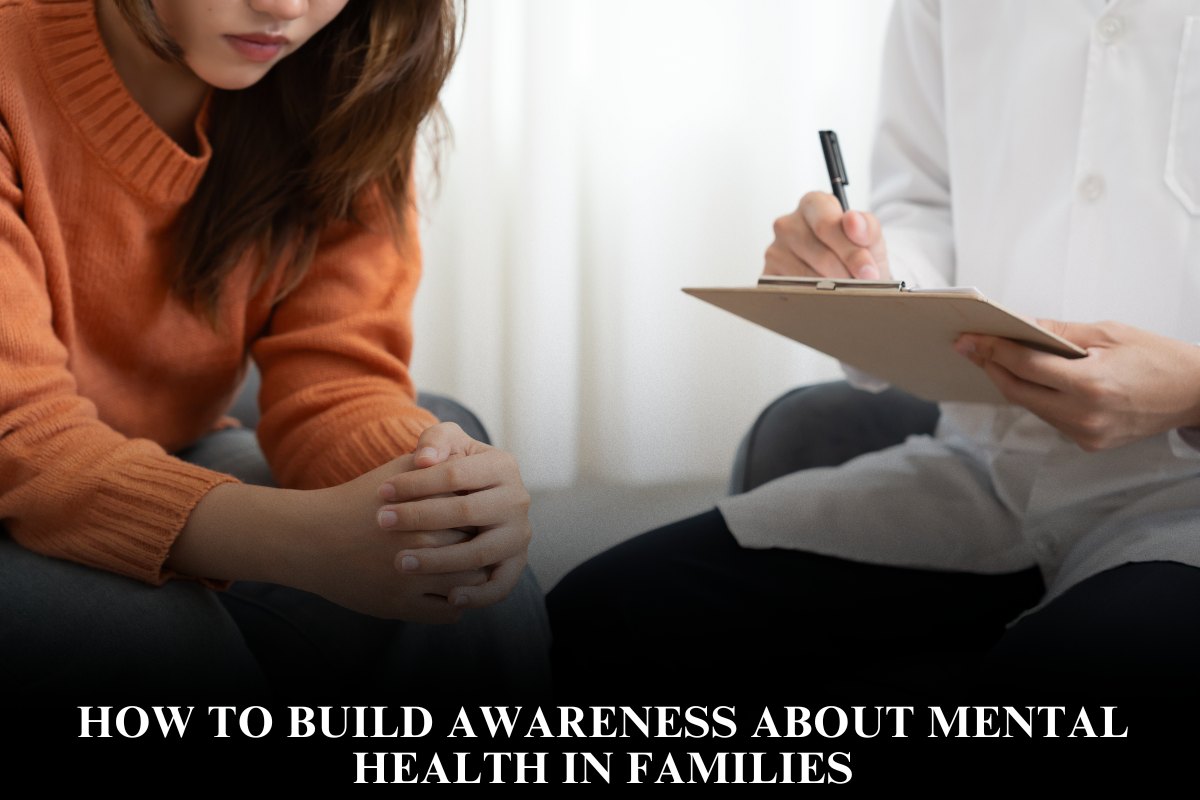
Building mental health awareness in families starts with open conversations, education, and stigma reduction strategies promoted by U.S. organizations like NAMI, SAMHSA, and CDC. These approaches foster supportive environments where members recognize symptoms early, seek help without shame, and strengthen resilience together. Family-led initiatives align with national goals to address the mental health crisis affecting 1 in 5 U.S. adults annually.
Start with Open Communication
Establish regular family check-ins using “I” statements like “I feel worried when…” to express concerns without blame, as recommended by NAMI for families coping with illness. Validate emotions by naming feelings—sadness, anxiety—and teach coping tools like belly breathing during calm moments. Create safe spaces: weekly dinners free of distractions or walks for private talks, avoiding judgments to build trust.
SAMHSA emphasizes discussing mental health perceptions at intake, addressing stigma head-on to normalize help-seeking. Model vulnerability by sharing personal stressors, showing therapy or counseling as strengths, not weaknesses.
Provide Education and Resources
Share accessible materials from CDC and NAMI: brochures on anxiety/depression signs, webinars like SAMHSA’s “Empowered Parents” series in English/Spanish. Host family nights reviewing Head Start-style guides on child mental health, covering resilience-building and crisis resources. Use apps like MyLife or NAMI’s peer support locators for interactive learning.
Invite mental health consultants to events, explaining services like family therapy that boost treatment success by 50%. Track progress with family journals noting mood patterns, empowering collective problem-solving.
Reduce Stigma Through Modeling
Challenge myths by educating on brain disorders: “It’s not a character flaw; it’s treatable like diabetes.” Family support groups via NAMI reduce isolation, with workshops improving understanding and empathy. Encourage peer stories—guest speakers or videos—to humanize experiences, cutting stigma by validating struggles.
Promote acceptance: treat members as individuals beyond illness, per APA guidelines. Avoid labels; focus on behaviors and strengths to foster inclusion.
Implement Practical Family Interventions
Adopt techniques from PMC-reviewed programs: heighten role awareness during illness shifts, set goals blending health with life events, and grieve losses constructively. Skills training includes problem-solving—list stressors, brainstorm solutions—and boundary-setting like “I won’t engage in anger outbursts.”
Periodize: daily check-ins, monthly deep dives, quarterly reviews.
Leverage Community and Policy Supports
Partner with schools via Head Start’s family assessments for tailored wellness plans, including drop-boxes for discreet needs. CDC’s youth engagement strategies expand peer support workforces, addressing access delays. Advocate locally: join Mental Health Awareness Month events or policy pushes for family-inclusive care.
Monitor via metrics: improved communication scores, reduced crisis calls. Digital tools like telehealth bridge rural gaps per AHRQ integration.
Long-Term Resilience Building
Sustain via routines: gratitude shares, nature walks, balanced tech use. Track via genograms mapping family illness history for patterns. Celebrate milestones like first therapy sessions to reinforce positivity.
FAQs
1. How do families start mental health talks?
Pick distraction-free times, use “I” statements, validate feelings per NAMI tips.
2. What resources exist for U.S. families?
SAMHSA webinars, NAMI groups, CDC guides on coping and therapy.
3. How to reduce stigma at home?
Educate on brain science, model help-seeking, join support groups.
4. When to seek professional help?
Persistent sadness, withdrawal, or risk; early intervention via family therapy.
5. Can kids participate in awareness?
Yes, age-appropriate talks, breathing exercises build lifelong skills.