Public health campaigns serve as powerful tools for educating communities, changing behaviors, and preventing diseases on a massive scale. These initiatives have demonstrably reduced mortality rates from infectious diseases, chronic conditions, and lifestyle-related risks worldwide.
Historical Impact
Public health campaigns have eradicated or nearly eliminated deadly diseases through targeted vaccination drives. The World Health Organization’s smallpox eradication effort, launched in 1967, used “ring vaccination” to isolate cases and vaccinate contacts, leading to global eradication by 1980 and saving millions of lives annually. Similarly, polio campaigns have slashed cases by over 99% since 1988, preventing paralysis and death in countless children.
Polio immunization in India exemplifies success, with nationwide drives boosting coverage and averting outbreaks among vulnerable populations. These efforts highlight how mass mobilization saves lives by interrupting transmission chains before epidemics spiral.
Vaccination Drives
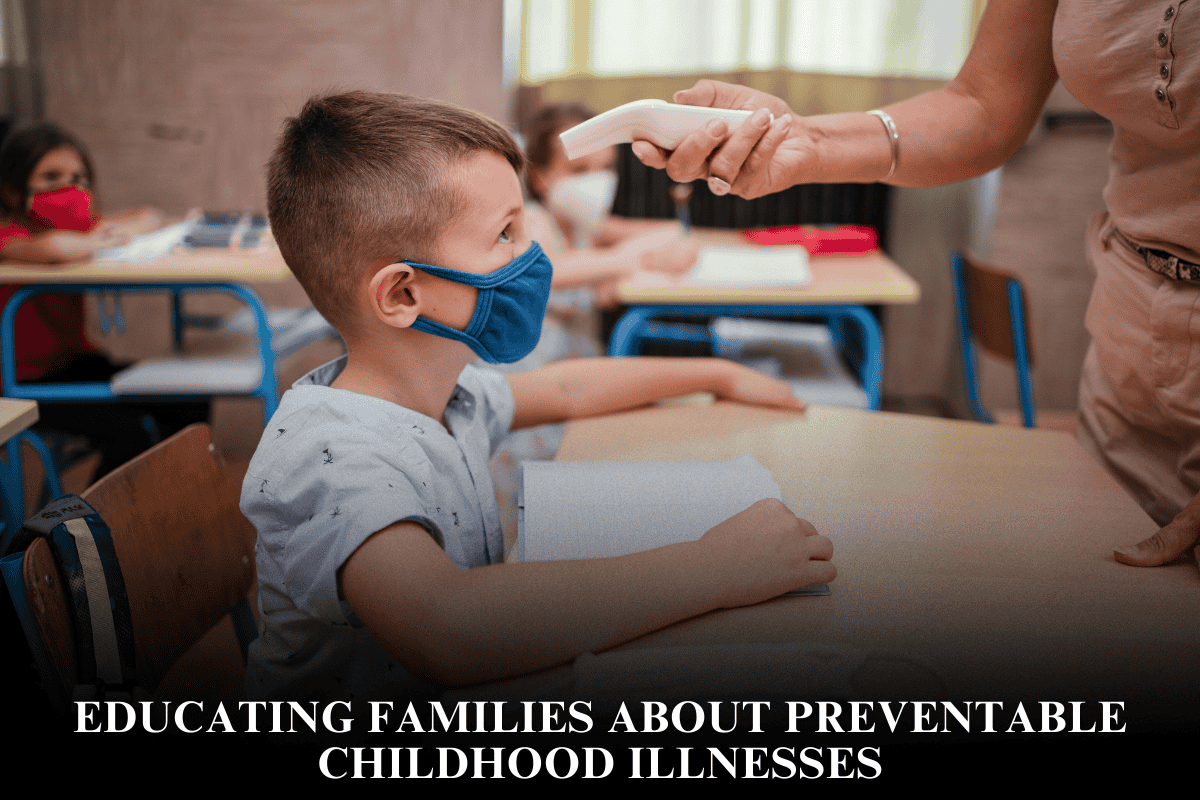
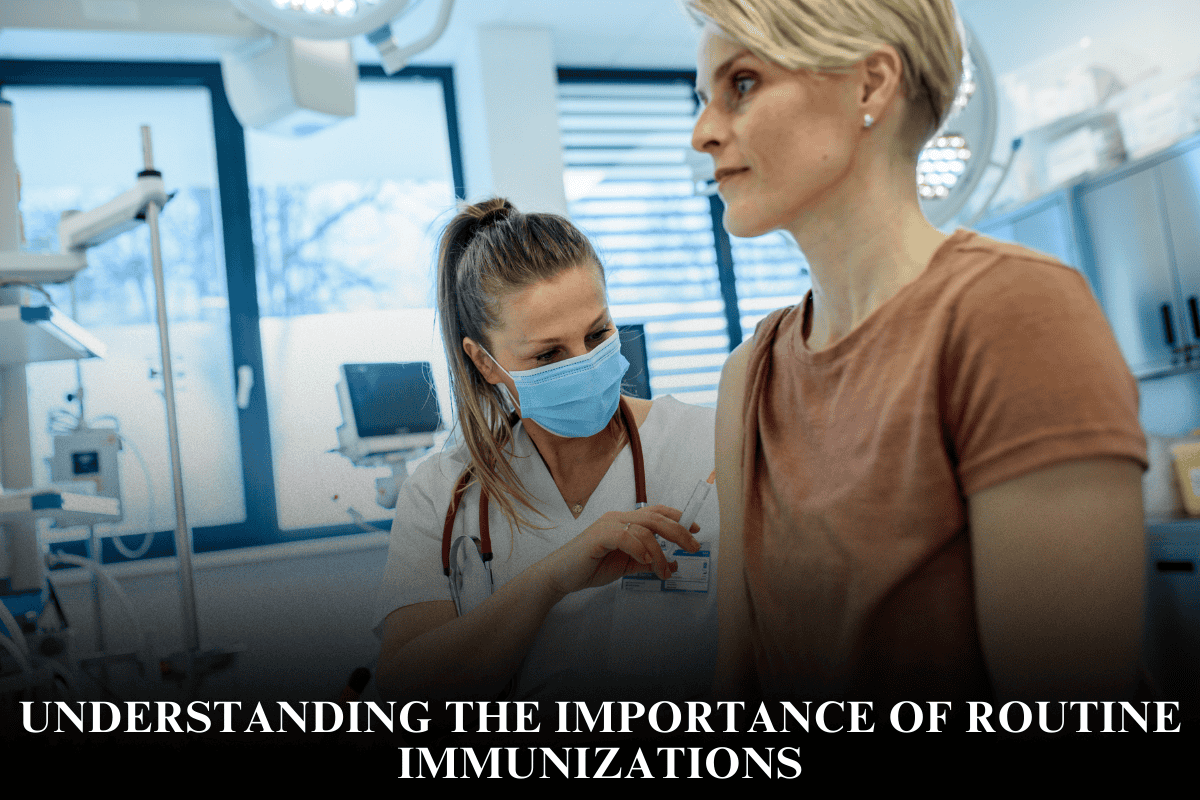
Vaccines prevent at least 10 million deaths yearly from diseases like measles, diphtheria, and tetanus, according to WHO estimates from 2010-2015. Childhood immunization campaigns have made polio, measles, and mumps rare in developed nations, sparing generations from lifelong disabilities.
In India, the National Immunization Program has drastically cut vaccine-preventable diseases through awareness messages, local health worker involvement, and accessible drives. Such campaigns not only boost uptake but also build herd immunity, protecting even unvaccinated individuals.
Anti-Smoking Initiatives
Tobacco control campaigns have halved smoking rates in many countries by combining education, advertising bans, plain packaging, public smoking restrictions, and quit resources. These measures reduced tobacco-related deaths, which claim over 8 million lives yearly globally.
Health promotion efforts countered “big tobacco” influence, raising awareness of cancer, heart disease, and lung risks. Increased cigarette taxes and cessation programs further amplified impact, proving policy-driven campaigns yield long-term behavioral shifts.
Road Safety Efforts
Campaigns promoting seatbelts, speed limits, drink-driving deterrents, and vehicle standards have curbed traffic fatalities. Despite ongoing challenges in developing regions, these interventions lowered global road deaths through driver education and infrastructure improvements.
Public messaging shifted norms, making safety gear standard and reducing accidents by emphasizing personal responsibility alongside systemic changes.
Chronic Disease Prevention
Campaigns targeting obesity, diabetes, and heart disease encourage balanced diets, exercise, and reduced alcohol use. Anti-smoking and nutrition drives have improved habits, cutting non-communicable disease risks that kill 41 million annually.
HIV/AIDS awareness reduced transmission via safe practices and testing promotion. Breast cancer screening campaigns increased early detection, improving survival rates among at-risk women.
Behavioral Change Mechanisms
Campaigns raise awareness, alter attitudes, and drive actions like screening and healthy choices. Studies show they boost knowledge, improve perceptions, and sustain lifestyle shifts, especially in high-risk groups.
Multifaceted strategies—media, community outreach, policy advocacy—amplify reach. Evaluations confirm reduced disease incidence and better outcomes from informed behaviors.
Indian Context
India’s campaigns, like Pulse Polio and anti-tobacco drives under the National Tobacco Control Programme, have saved lives amid dense populations. Swachh Bharat enhanced sanitation awareness, curbing diarrheal deaths.
These efforts integrate local languages and influencers for cultural resonance, proving adaptable models for rural areas like Haryana.
Measuring Success
Impact assessments track knowledge gains, behavior changes, and health metrics like mortality drops. Vaccination coverage rises, smoking declines, and screening uptake surges post-campaigns.
Challenges include misinformation and equity gaps, addressed via targeted, evidence-based designs.
Public health campaigns transform societies by preventing illnesses proactively. Continued investment ensures equitable access, sustaining lives saved.
Frequently Asked Questions (FAQs)
Q. What is the most successful public health campaign ever?
The WHO’s smallpox eradication campaign stands out, eliminating the disease globally by 1980 through ring vaccination and surveillance, preventing millions of deaths yearly.
Q. How do vaccination campaigns save lives specifically?
They achieve herd immunity by immunizing large populations, halting diseases like polio and measles. India’s National Immunization Program exemplifies this, reducing child mortality from preventable illnesses.
Q. Why are anti-smoking campaigns effective?
They combine education on risks, policy changes like taxes and bans, and quit support, halving smoking rates in many nations and averting tobacco-related cancers and heart diseases.
Q. Can public health campaigns address chronic diseases?
Yes, by promoting nutrition, exercise, and screening. Efforts against obesity and diabetes have lowered incidence through sustained behavior nudges and policy advocacy.
Q. What challenges do these campaigns face today?
Misinformation, vaccine hesitancy, and unequal access persist. Success requires culturally tailored messaging, digital tools, and partnerships for broader reach.