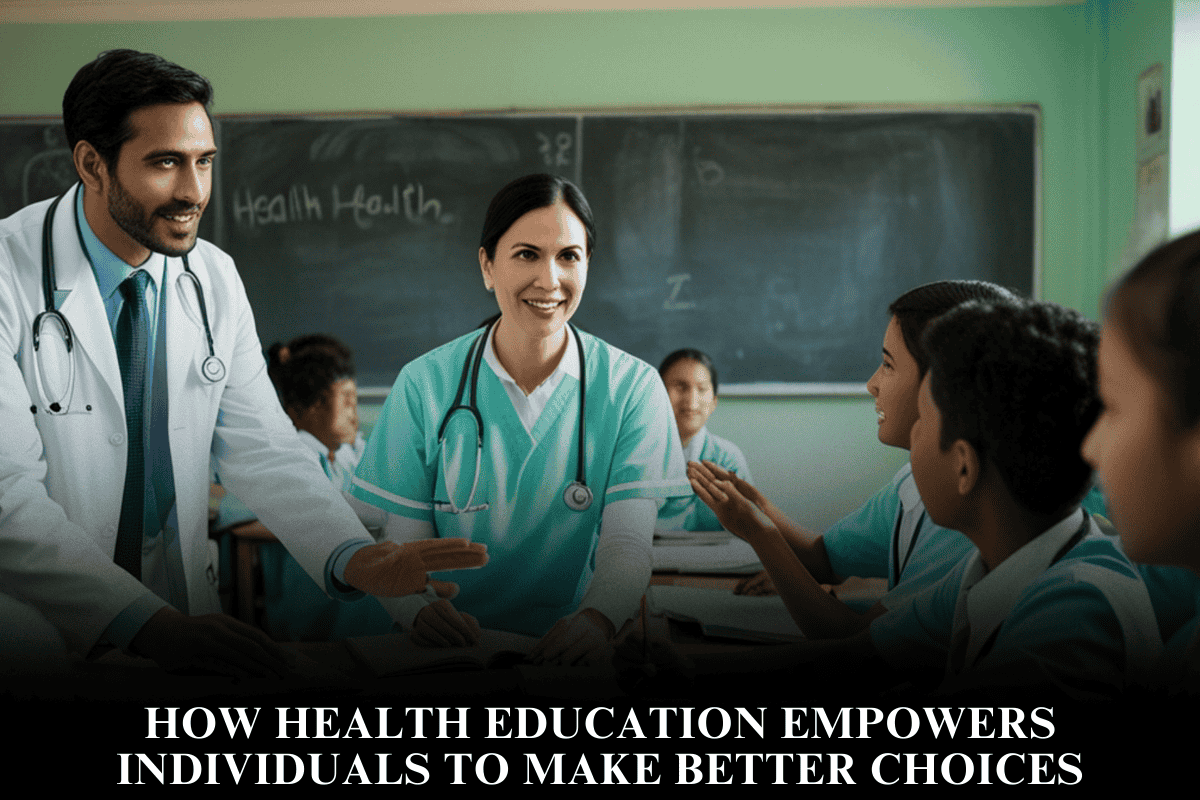
Health education equips individuals with the knowledge and skills to navigate health choices confidently, leading to better outcomes like disease prevention and improved well-being. In the US, programs from schools to workplaces emphasize practical literacy, fostering autonomy amid rising chronic conditions.
Core Mechanisms
Health education builds health literacy—the ability to find, understand, and apply information—which directly enhances decision-making. It teaches critical skills like evaluating risks, interpreting labels, and recognizing misinformation, empowering people to choose preventive actions over reactive fixes.
By promoting behaviors such as balanced nutrition and regular exercise, it reduces reliance on healthcare systems. Studies show literate individuals adhere better to treatments, lowering costs and boosting productivity through fewer sick days.
Decision-Making Boost
Informed choices stem from understanding options, like weighing vaccine benefits against myths or selecting treatments aligned with personal values. Education fosters self-advocacy, enabling patients to question providers and co-create care plans, which improves satisfaction and adherence.
For chronic issues like diabetes, it demystifies management—carb counting, med timing—cutting complications by up to 50% in educated groups. Women, in particular, benefit from targeted skills in applying info to lifestyle tweaks.
Community Ripple Effects
Empowered individuals influence families and neighborhoods, sharing habits via workshops or social networks. US initiatives like CDC’s health literacy programs amplify equity, bridging gaps for low-income or minority groups often hit hardest by disparities.
Schools integrate it into curricula, yielding long-term gains: teens taught refusal skills avoid tobacco, while adults in workplace programs cut obesity risks. This scales to population health, with WHO noting literacy halves emergency visits.
Real-World Examples
Diabetes prevention programs educate on prediabetes reversal through diet and activity, restoring 58% of participants to normal glucose levels. Cancer screenings rise 20-30% post-education campaigns, catching issues early.
Mental health modules teach stress tools like mindfulness, reducing anxiety by 25% in trials. Digital literacy counters online fads, ensuring evidence-based picks like statins over unproven supplements.
Barriers and Solutions
Misinformation floods social media, but education hones analytical skills to debunk it. Access varies—rural areas lag—so apps and community classes bridge gaps. Tailoring to culture boosts uptake, like Spanish-language nutrition for Latino communities.
Sustained efforts via policy, like Healthy People 2030 goals, ensure scale. Providers using teach-back methods confirm understanding, doubling retention.
FAQs
1. How does it improve daily choices?
By clarifying risks/benefits, e.g., choosing whole grains over processed for steady energy.
2. Evidence of health gains?
Higher literacy links to 50% better chronic control and fewer ER visits.
3. Role in equity?
Reduces socioeconomic gaps by empowering underserved groups with navigation skills.
4. Mental health tie-in?
Teaches coping strategies, cutting depression symptoms 20-30%.
5. Quickest way to start?
Free CDC resources or apps like MyFitnessPal for tracking and learning.