Preventing common illnesses in the U.S. mostly comes down to consistent daily habits: vaccines, hygiene, healthy lifestyle, and timely screening. These steps protect against both infections (like flu and COVID-19) and chronic diseases (like heart disease and diabetes), which together cause most preventable illness and death.
Core Daily Habits
Simple behaviors significantly lower risk.
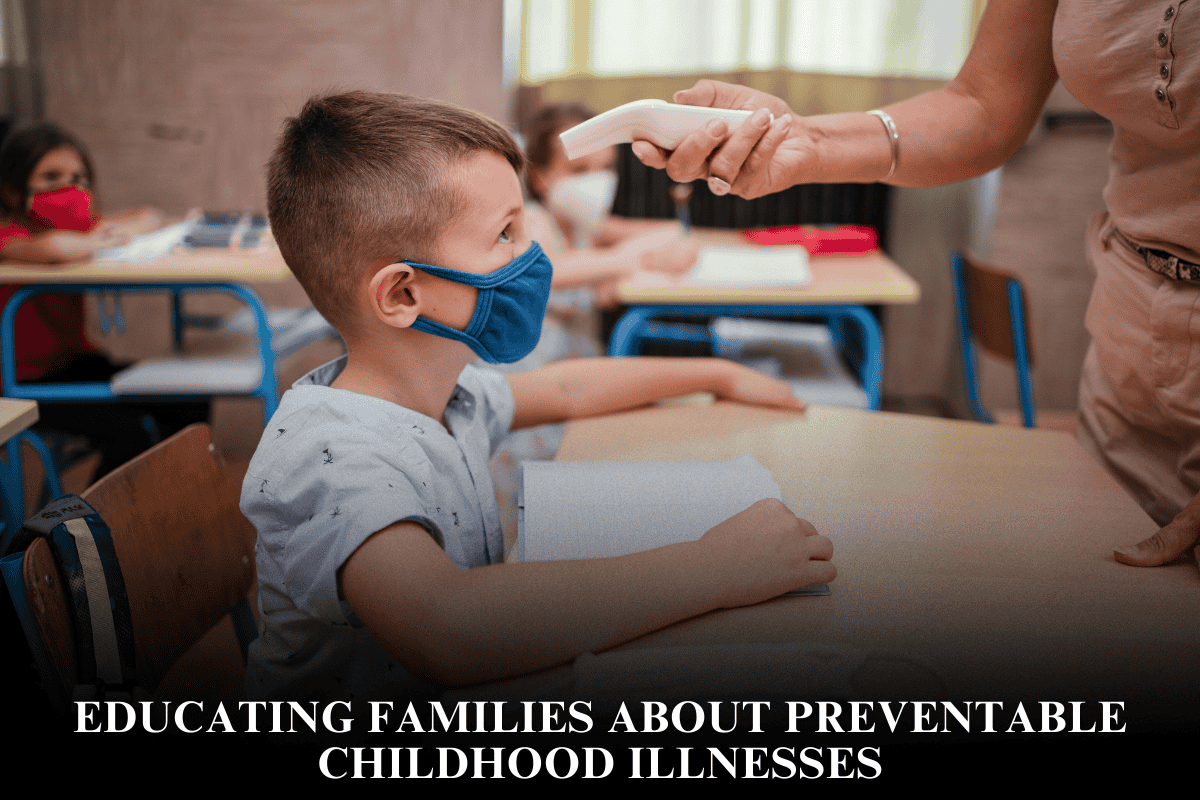
- Wash hands often with soap and water for at least 20 seconds, especially before eating, after using the bathroom, after blowing your nose, and after being in public.
- Avoid touching your eyes, nose, and mouth, which are common entry points for germs.
- Clean and disinfect frequently touched surfaces (doorknobs, phones, light switches, counters) regularly, especially when someone in the home is sick.
These habits reduce spread of common respiratory and gastrointestinal infections.
Vaccines and Preventive Care
Vaccination and routine checkups are central for prevention in U.S. guidelines.
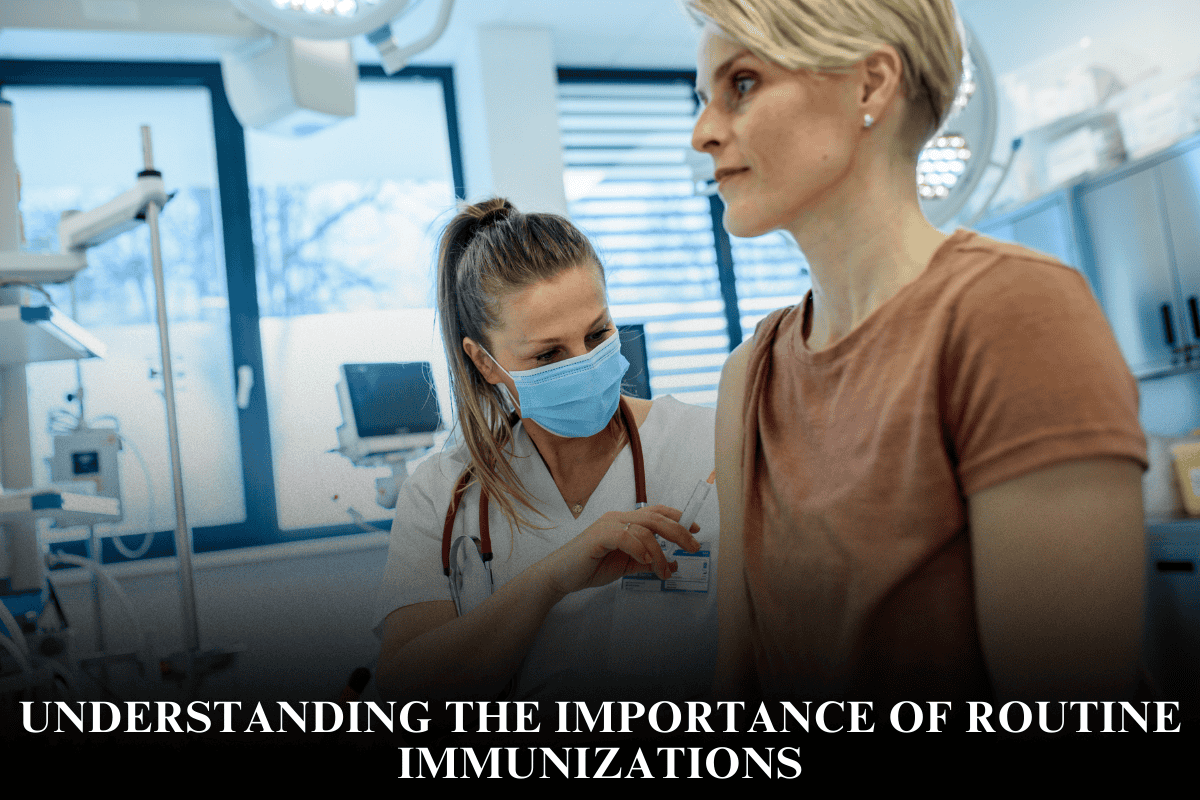
- Stay up to date with recommended vaccines, including flu, COVID-19, Tdap, shingles, pneumococcal, and childhood immunizations; vaccines prevent or lessen many infectious diseases.
- Use preventive screenings: blood pressure, cholesterol, diabetes, certain cancers (breast, colorectal, cervical, etc.) and dental visits at least yearly help detect issues early and prevent complications.
- Talk with your clinician about your family history, which can change when you should start certain screenings or how often you need them.
Healthy Lifestyle for Chronic Disease Prevention
Many everyday illnesses and complications are tied to chronic conditions.
- Eat a balanced diet emphasizing fruits, vegetables, whole grains, lean protein, and limiting ultra-processed foods, added sugars, and excess salt to reduce risk of obesity, heart disease, and diabetes.
- Aim for at least 150 minutes per week of moderate-intensity physical activity (like brisk walking) plus muscle-strengthening activities on 2 or more days.
- Get at least 7 hours of sleep per night; poor sleep is linked to obesity, heart disease, diabetes, and depression.
Avoid smoking and vaping entirely, and limit alcohol intake (no more than 1 drink per day for most women and 2 for most men) to lower risk of many common illnesses.
Preventing Respiratory and Infectious Illnesses
Respiratory viruses (like flu, COVID-19, RSV, and the common cold) and other communicable diseases spread easily without precautions.
- Follow core respiratory prevention: stay current on vaccines, practice regular handwashing, improve indoor air (ventilation, filtration), and stay home if sick.
- Cover coughs and sneezes with a tissue or your elbow, dispose of tissues promptly, and wash hands afterward.
- Prepare and handle food safely: cook meats and eggs thoroughly, avoid raw or spoiled foods, and wash produce and food-contact surfaces to prevent foodborne illness.
When illness does occur, seeking care early—especially for high-risk people—can reduce severity and complications.
Building a Strong Immune Defense
Supporting your body’s natural defenses complements other measures.
- Maintain a healthy weight, manage stress with techniques like exercise, relaxation, or counseling, and avoid tobacco and illicit drugs.
- Practice good oral hygiene (brushing twice daily with fluoride toothpaste, flossing) because poor oral health is linked to heart disease, diabetes complications, and infections.
- Protect beneficial bacteria: use antibiotics only when prescribed and needed, and follow directions exactly to avoid resistance and gut disruption.
Together, these habits form a prevention “bundle” that meaningfully lowers your chances of many common illnesses.
FAQs
1. What are the most important basics to prevent everyday infections?
Frequent handwashing, staying current on vaccines, cleaning high-touch surfaces, safe food handling, and staying home when sick are key.
2. How much exercise do I need to help prevent common illnesses?
At least 150 minutes per week of moderate activity plus strength training 2 or more days, which helps prevent heart disease, stroke, diabetes, and some cancers.
3. Do I really need routine checkups if I feel healthy?
Yes. Screenings can catch high blood pressure, diabetes, high cholesterol, and certain cancers early, often before symptoms, improving outcomes and preventing complications.
4. How does sleep affect my risk of illness?
Consistently sleeping under 7 hours is linked to higher risk of obesity, heart disease, diabetes, and depression, and can weaken immune response to infections.
5. What vaccines should most U.S. adults consider?
Depending on age and risk: flu annually, COVID-19 per current guidance, Tdap/Td boosters, shingles, pneumococcal, and others based on medical conditions and travel; discuss specifics with your clinician.