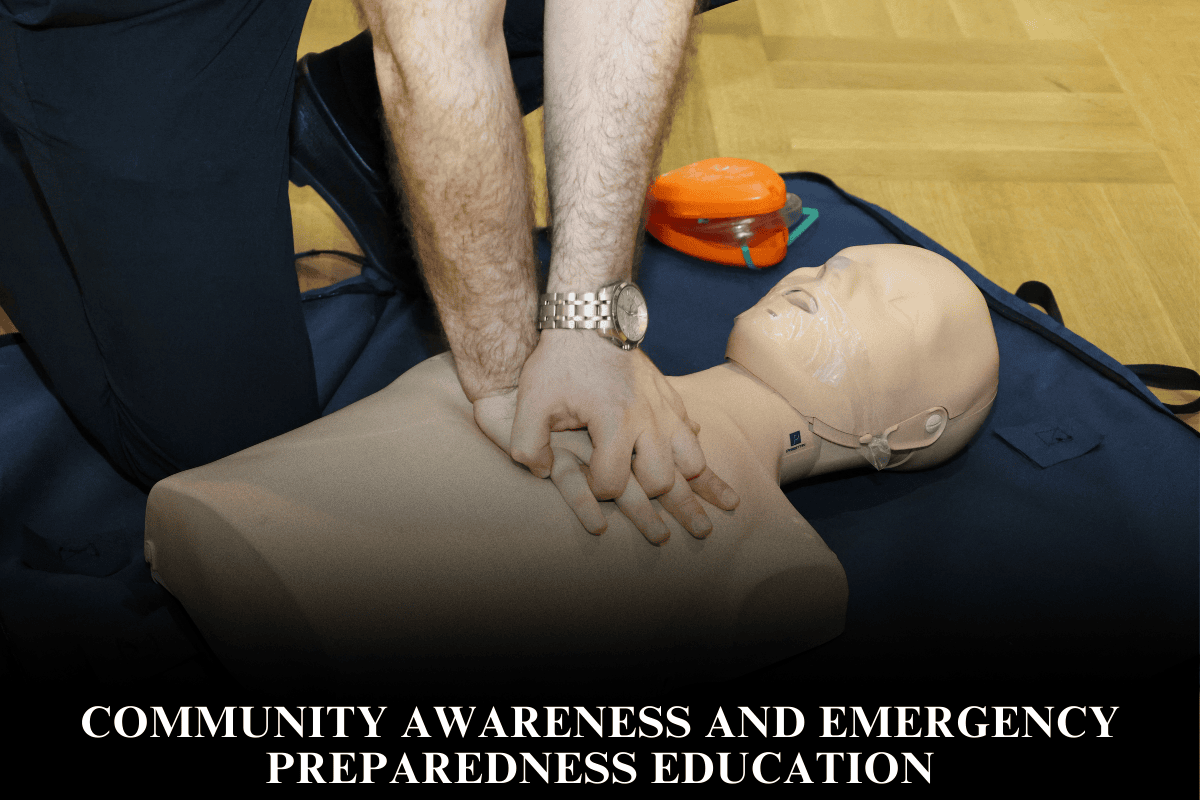
Community awareness and emergency preparedness education empower people to respond effectively to disasters, reducing panic, injuries, and recovery times. These programs build resilient communities capable of handling crises like floods, pandemics, or earthquakes with confidence.
Core Components
Effective education covers hazard identification, risk assessment, and practical skills like first aid, evacuation drills, and resource stockpiling. Programs often use tabletop exercises and simulations to train residents on incident command systems and communication protocols. Faith-based and human services groups amplify reach by tailoring content to vulnerable populations, such as the elderly or low-income families.
Program Strategies
Community Resilience Planning Committees coordinate with local health departments to deliver trainings on continuity of operations, volunteer management, and emergency notifications. Rural areas benefit from FEMA’s CERT model, teaching fire safety, search-and-rescue, and disaster medical basics to volunteers.
Partnerships between public health, environmental experts, and lay health workers ensure culturally relevant outreach, like boil-water advisories or power outage protocols.
Benefits to Communities
Prepared residents cut response times by 30-50%, easing burdens on first responders and hospitals during events like pandemics. Drills foster cross-training, enabling any community member to assist when professionals are overwhelmed. Long-term, these efforts lower economic losses by promoting early warnings and recovery planning.
Implementation Examples
New York City’s program trained organizations on eight key topics, from resource assessment to at-risk communication, boosting sector-wide readiness. California’s AHEC conducted 90 tabletop exercises across 18 counties, focusing on underserved clinics and integrating plans with EMS. MRC units nationwide offer hands-on sessions like Stop the Bleed and CPR, scalable for local needs.
Challenges and Solutions
Barriers include low engagement and resource gaps, addressed by simple, low-cost kits (e.g., 72-hour survival packs) and participatory planning. Listening to community input customizes content, overcoming “one-size-fits-all” pitfalls through trusted networks.
FAQs
1. Why prioritize community awareness in emergencies?
It enables self-reliance, reducing casualties and strain on services when help is delayed.
2. What skills do CERT programs teach?
Basic rescue, fire safety, medical operations, and hazard handling for immediate aid.
3. How do tabletop exercises help?
They simulate scenarios to test plans, identify gaps, and build team coordination.
4. Who should lead local preparedness?
Health departments, faith groups, and volunteers partnering for inclusive training.
5. Can small communities afford this education?
Yes, free FEMA tools and low-cost drills yield high resilience with minimal investment.