Building community awareness for public health emergency preparedness empowers US families and neighborhoods to act swiftly during crises like pandemics, floods, or chemical spills. These efforts, led by CDC programs and local initiatives, reduce panic and save lives through education and drills.
Why Awareness Matters
Public health emergencies strike without warning, from hurricanes in Florida to outbreaks in urban centers. The CDC’s Public Health Emergency Preparedness (PHEP) program funds state and local departments to build resilient systems, emphasizing communication to reach every resident.
Awareness bridges gaps, ensuring vulnerable groups like seniors or low-income families know evacuation routes or vaccination sites, cutting response times by up to 50% in trained communities.
Healthy People 2030 sets goals for household readiness, stressing drills and supply kits. Without it, misinformation spreads, as seen in past COVID waves, amplifying harm.
Key Federal Programs
CDC’s PHEP cooperative agreement, active since 2002, delivers guidance, webinars like PHEP Connects, and tools via On-TRAC for 50 states. It targets 15 capabilities, from risk communication to workforce training.
Health Alert Network (HAN) blasts urgent updates to clinicians, while Crisis & Emergency Risk Communication (CERC) trains leaders to deliver clear messages. ASPR coordinates national stockpiles and H5N1 flu prep under President Trump’s 2026 health priorities.
Local Strategies
Communities host free workshops via health departments, like Nevada’s PHP partnering with tribes and districts for drills. Texas DSHS runs Project Public Health Ready, certifying agencies in planning.
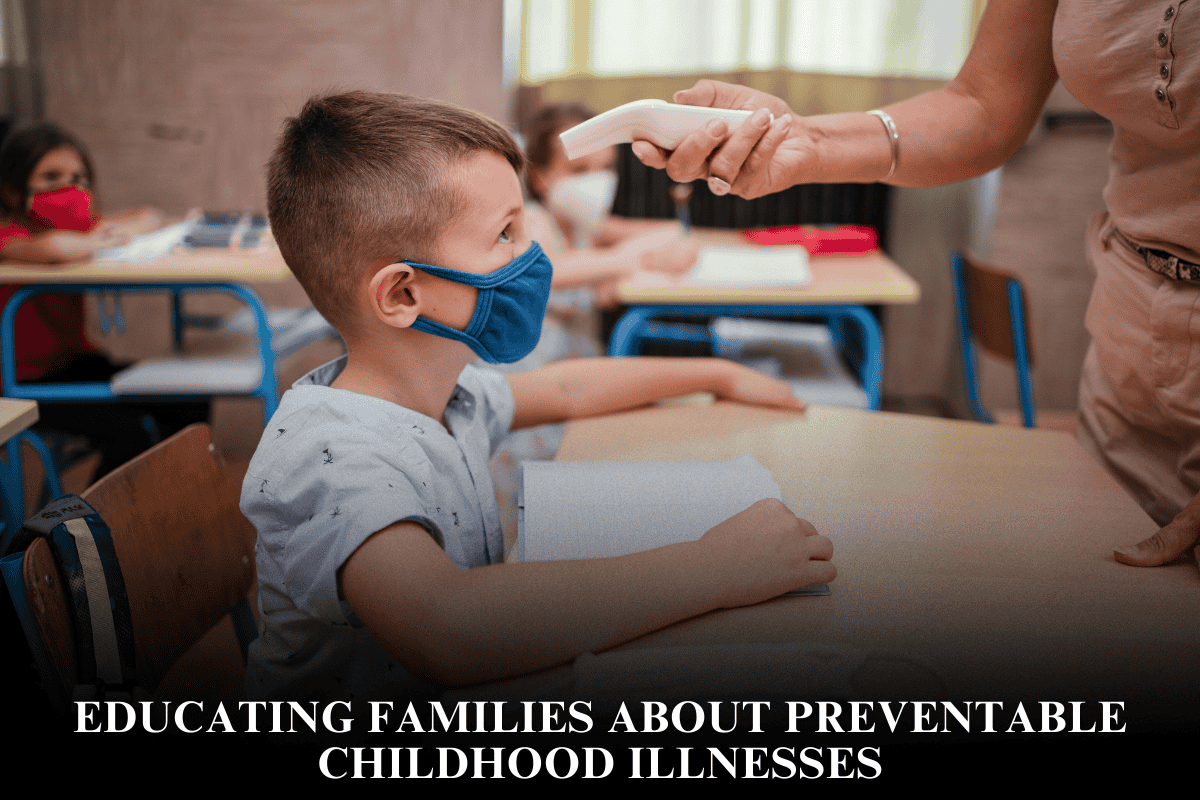
School programs teach kids hygiene and alerts; faith groups distribute kits. Social media campaigns, town halls, and apps like FEMA’s amplify reach, tailoring to Spanish-speakers or rural dial-up users.
Effective Tactics
- Workshops and Drills: Hands-on sessions simulate evacuations, boosting confidence 70% per CDC data.
- Media Blasts: PSAs on TV, TikTok, and church bulletins use simple visuals—no jargon.
- Partner Networks: Link fire depts, schools, and groceries for supply drives.
- Equity Focus: Translate materials; target food deserts with mobile units.
- Tech Tools: Apps track alerts; chatbots answer “What if?” queries 24/7.
Success Stories
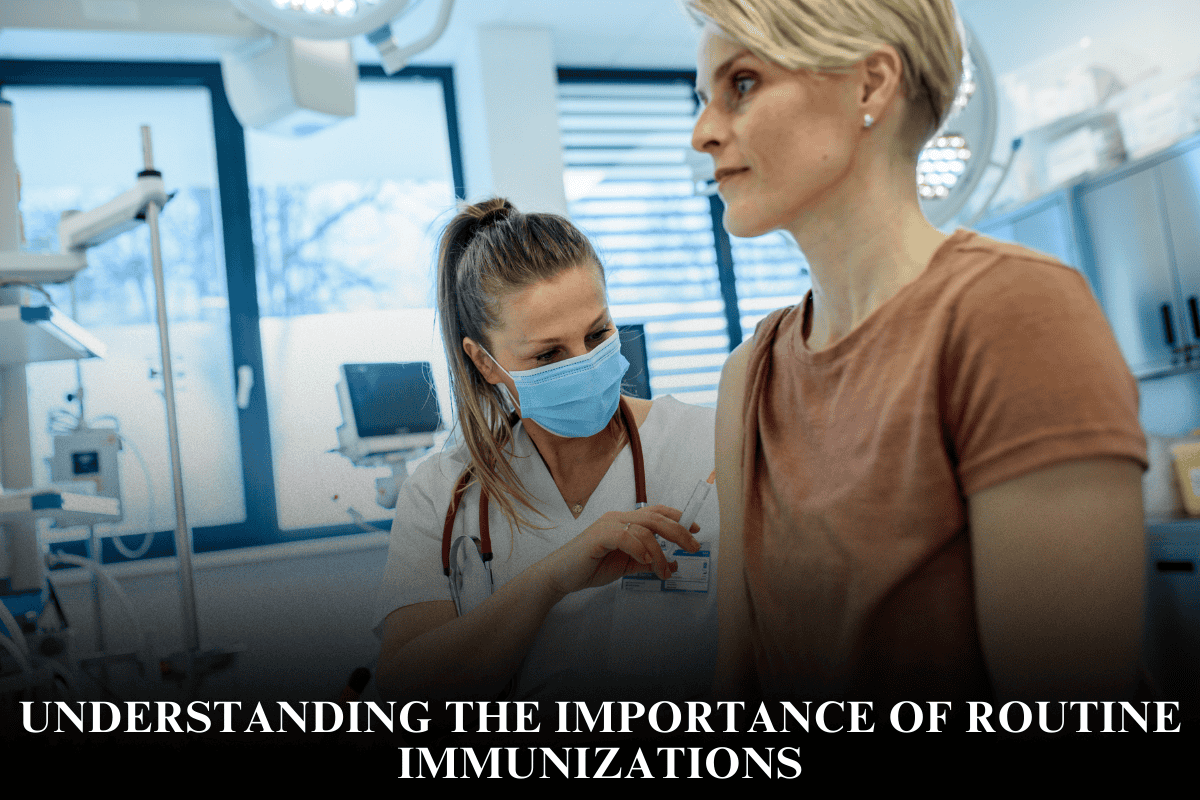
During 2025 wildfires, California’s PHEP-trained counties evacuated 90% faster via pre-shared plans. Nevada’s tribal outreach cut H1N1 gaps in 2009, a model for 2026 bird flu scares. Urban clinics like HRSA’s health centers ran pop-up trainings, reaching 1 million.
Participation Guide
Start local: Contact health departments for calendars. Volunteers multiply impact—sign up via Medical Reserve Corps.
Measuring Impact
Track via surveys: Post-drill quizzes show 80% retention. PHEP metrics monitor equity, like minority drill turnout. Continuous improvement via after-action reports refines efforts.
These US programs foster “whole community” readiness, blending federal funds with grassroots energy for safer futures.
FAQs
1. How do I join local preparedness events?
Check CDC.gov or state health sites for calendars; RSVP via apps like Eventbrite.
2. What’s in a basic emergency kit?
Water (1 gal/person/day), non-perishables, meds, flashlight, masks—update yearly.
3. Are programs free for all?
Yes, funded by grants; no income check needed.
4. How does awareness prevent spread?
Educates on hygiene, isolation—cut transmission 40% in drills.
5. Can kids participate?
Absolutely; age-tailored games build lifelong habits.