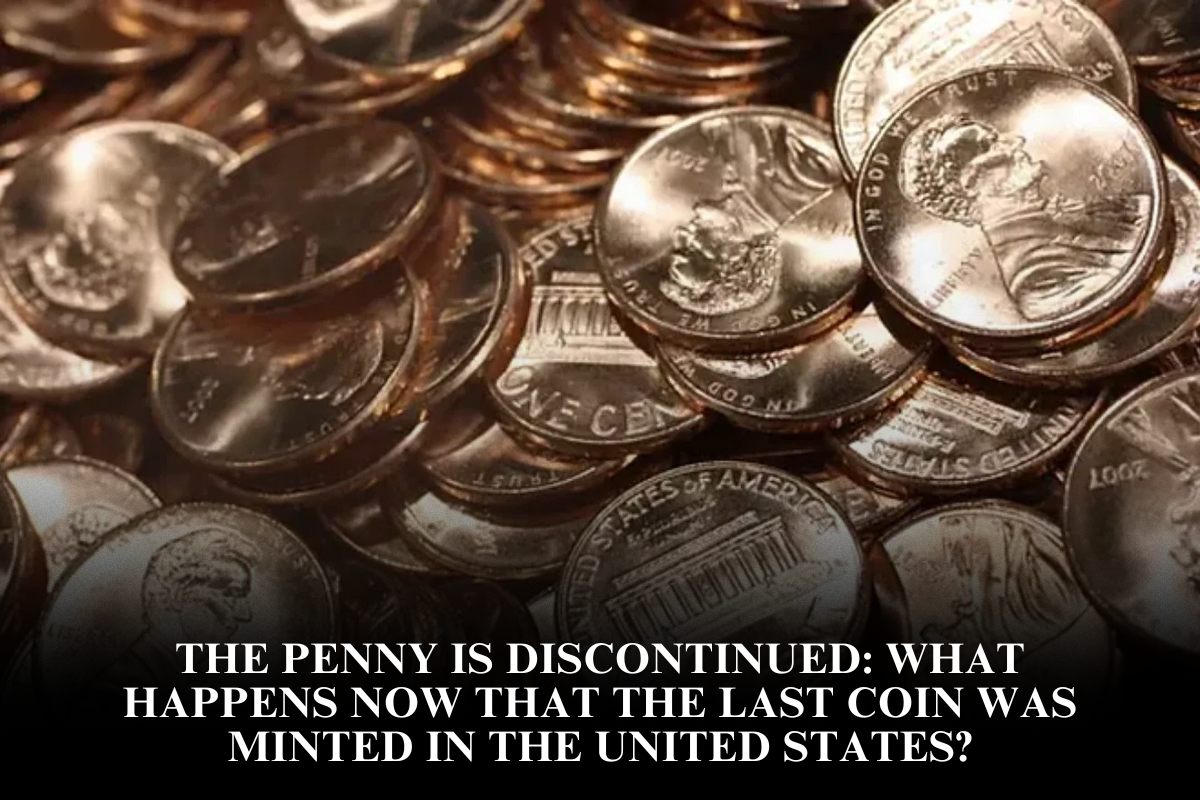
After more than two centuries of use, the United States is officially saying goodbye to the penny. This Wednesday, the U.S. Mint in Philadelphia will strike the final batch of one-cent coins, ending a tradition that started in 1793. The decision follows years of debate and rising concerns about the cost of producing a coin that’s worth less than what it takes to make.
Why the U.S. Is Stopping Penny Production
The move to stop making pennies was ordered by former President Donald Trump, who called the coin “a waste” earlier in the year. The Treasury Department confirmed that no new pennies will be issued after early 2026, with the last order for blanks already placed.
But the main reason behind this historic decision is simple — money. According to the U.S. Mint, it currently costs 3.69 cents to produce a single penny. That’s nearly four times its face value. This marks the 19th year in a row where making the coin costs more than it’s worth.
In comparison:
- A dime costs less than 6 cents to produce
- A quarter costs around 15 cents
Even though the government considered using cheaper materials, none of the alternatives worked well enough. So, continuing penny production was seen as financially wasteful.
Coin Shortages and Business Impact
Even before this decision, stores across the country had started facing coin shortages. Although there are around 240 billion pennies in circulation, many are sitting idle in drawers, jars, or cash registers. This makes it hard for businesses to keep enough coins on hand.
Some supermarkets and retailers have already started rounding prices or asking customers to use digital payments. Others warn that they may not be able to give exact change in cash anymore.
Dylan Jeon, from the National Retail Federation, pointed out that the U.S. could follow Canada’s model, which got rid of the penny in 2013 and introduced rounding after tax — either up or down to the nearest five cents. However, in at least ten U.S. states, local laws still ban changing cash prices, which could delay or complicate nationwide changes.
What Happens to Pennies Already in Circulation?
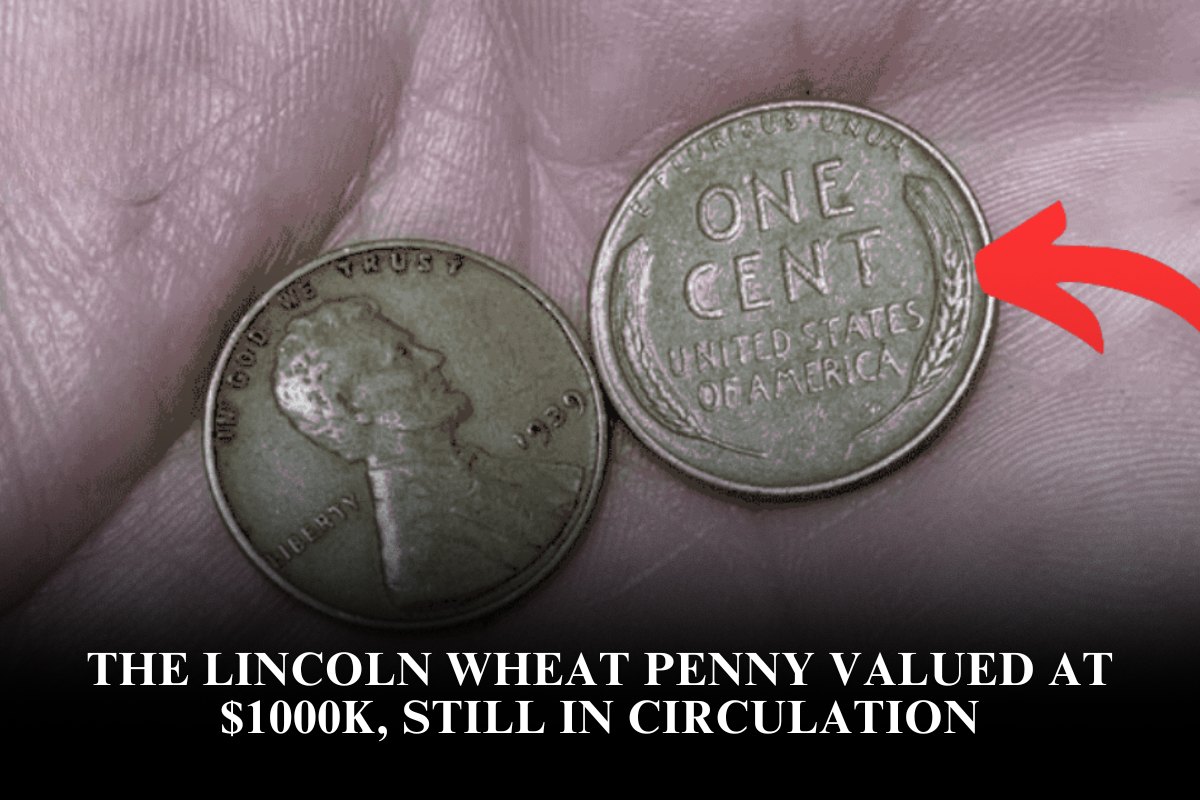
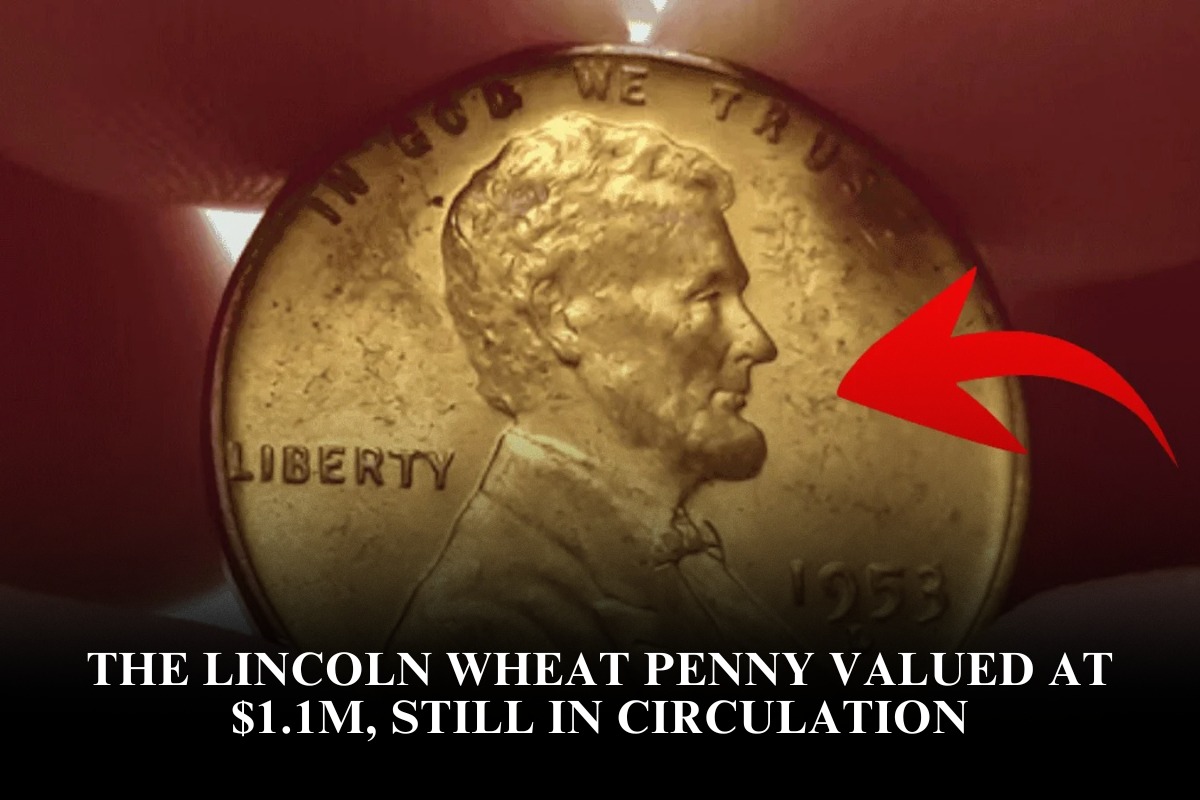
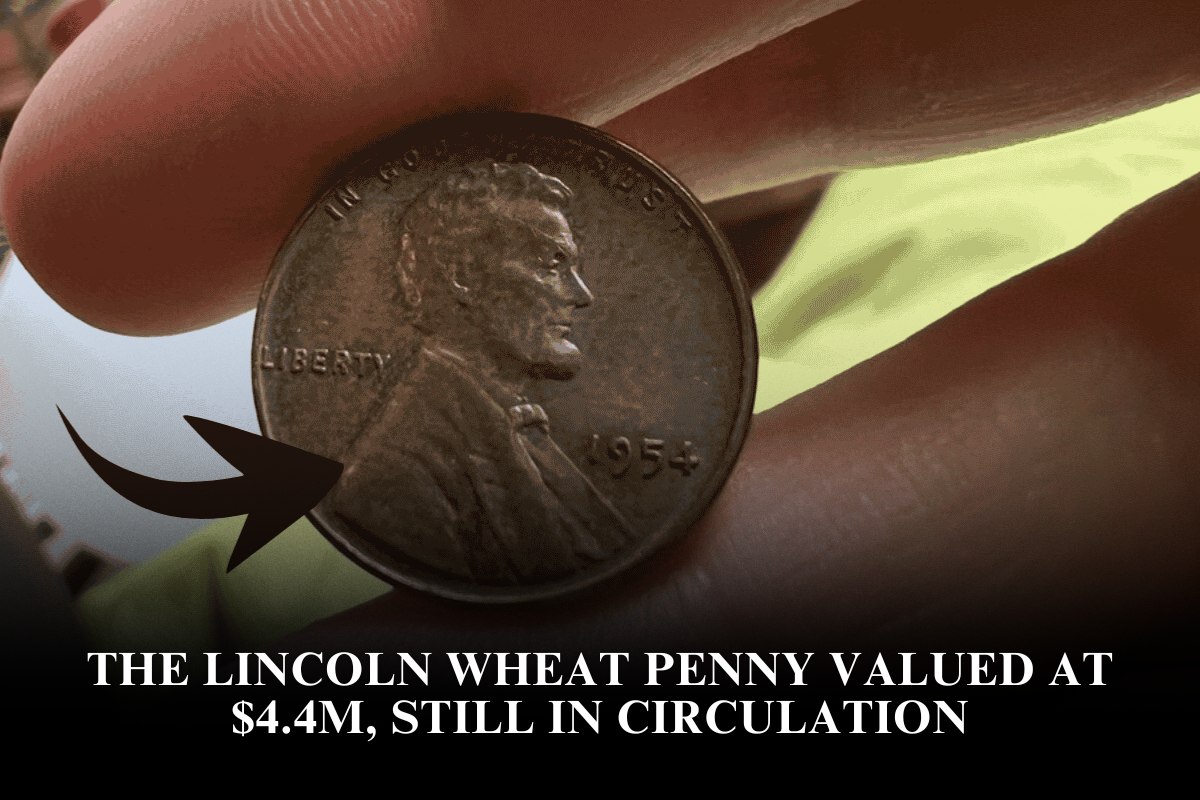
Even though new pennies won’t be made after 2026, existing coins will still be accepted as legal tender. So if you have jars full of pennies at home, they’re still worth one cent each — unless they’re rare or collectible, in which case they might be worth a lot more to collectors.
Retailers and consumers are now being urged to prepare for this shift. The penny has been a familiar part of daily life in America for generations, but now it will become more of a symbol of the past, marking a big change in the country’s money system.
The decision to stop penny production marks the end of a 232-year-old chapter in American history. While the coin may seem small, its removal reflects bigger economic concerns — such as cost-efficiency and adapting to a cashless world. As businesses prepare for price rounding and consumers adjust to a future without the copper coin, the penny will still remain a reminder of the country’s financial journey — now ready to rest in the hands of collectors and history lovers.