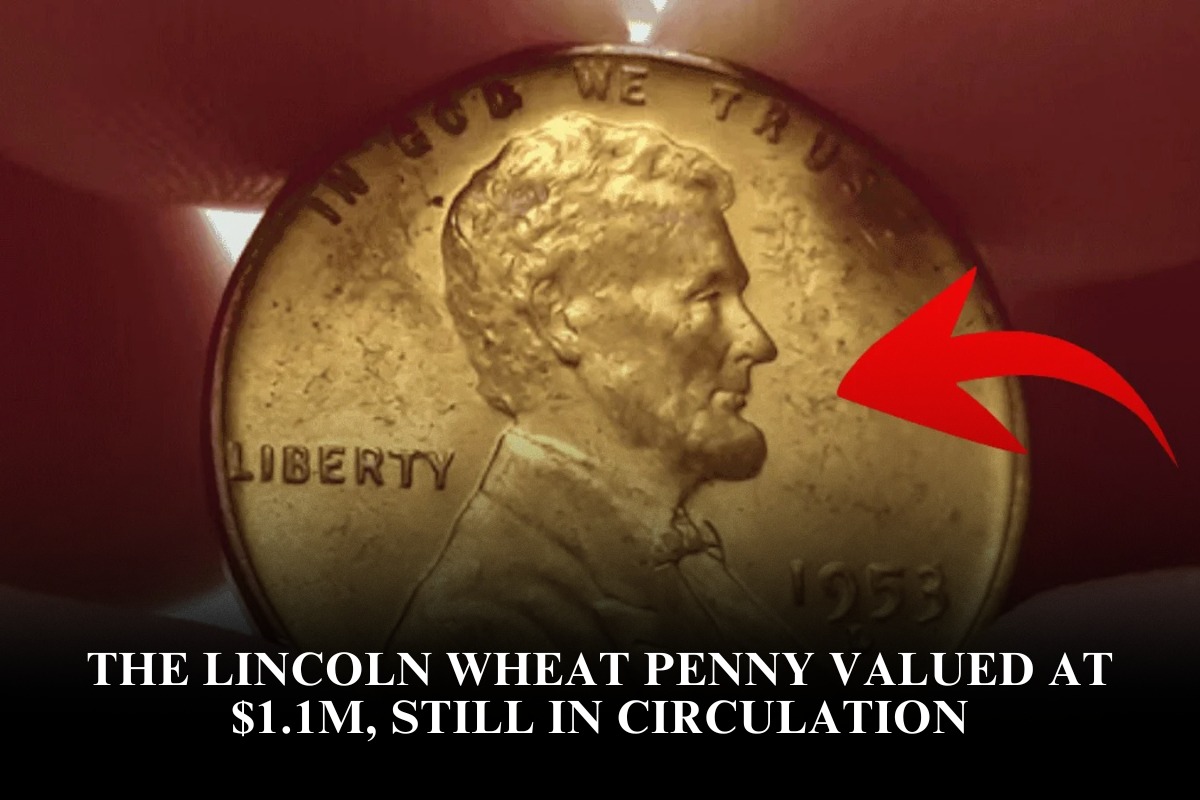
A Lincoln Wheat Penny valued at $1.1 million is an exceptionally rare and highly sought-after collectible. While most pennies are worth their face value, certain Wheat Pennies—particularly those with rare mint errors or extremely limited mintages—can command prices in the seven-figure range. Remarkably, some of these valuable pennies might still be found in circulation, sparking excitement among collectors and coin enthusiasts.
Background of the Lincoln Wheat Penny
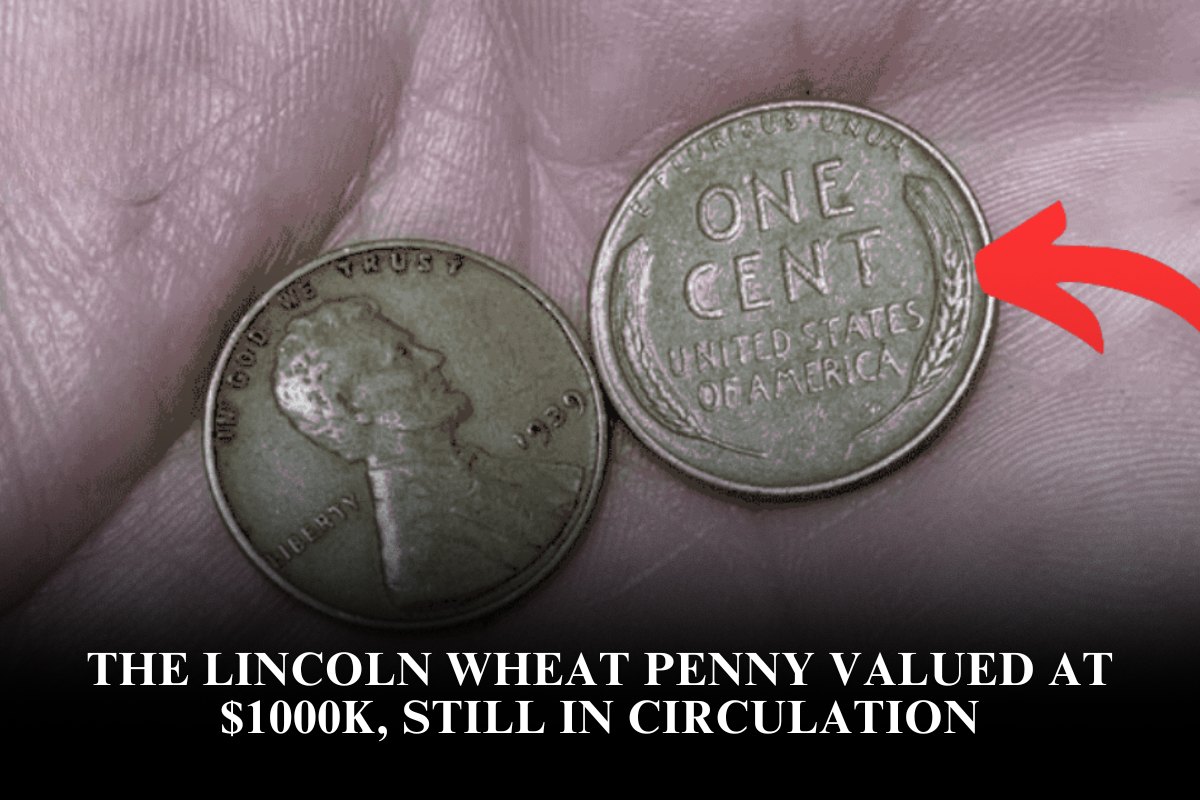
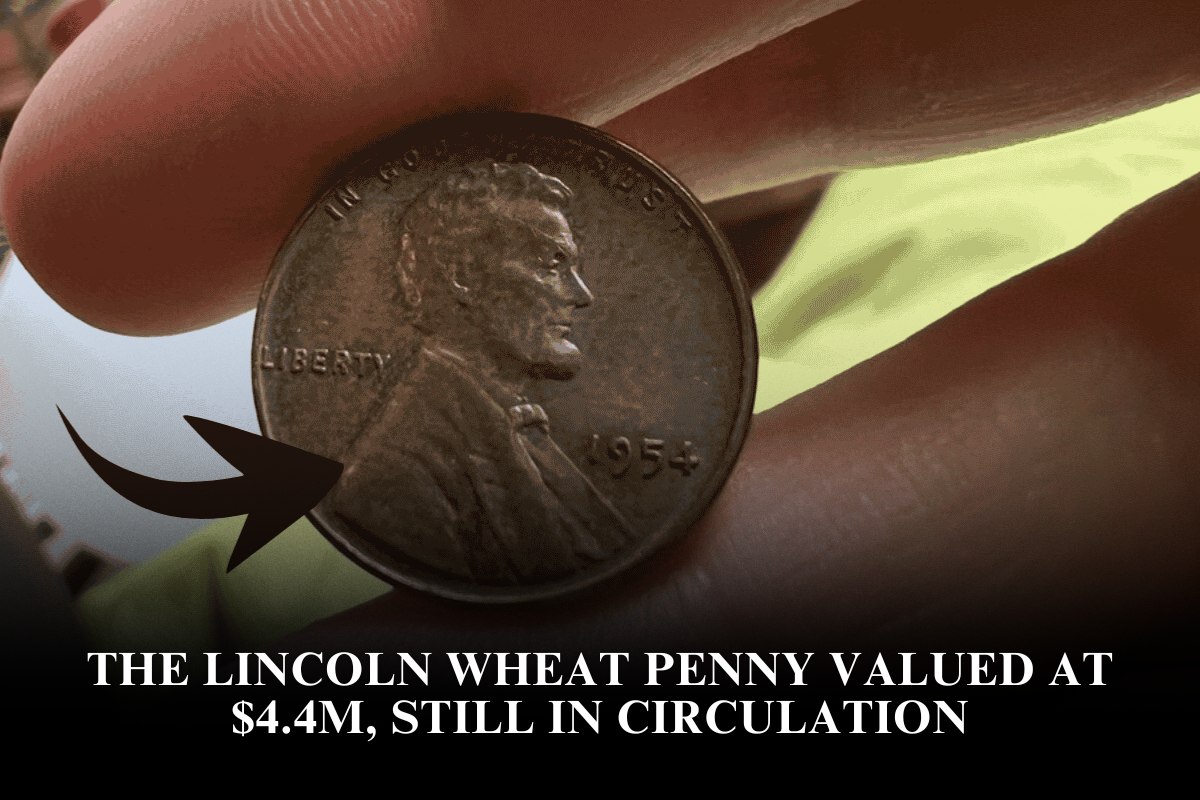
The Lincoln Wheat Penny was introduced in 1909 to commemorate Abraham Lincoln’s 100th birthday. It was designed by Victor David Brenner and features President Lincoln’s profile on the front, while the reverse side depicts two wheat stalks, symbolizing prosperity and agriculture. This design was used until 1958 before being replaced by the Lincoln Memorial design in 1959.
Why Some Wheat Pennies Are Worth $1.1 Million
Several Lincoln Wheat Pennies have reached values exceeding one million dollars, primarily due to their extreme rarity and unusual characteristics:
- 1944-S Steel Lincoln Wheat Penny: During World War II, pennies were predominantly made from steel due to copper shortages. The 1944-S steel penny is extremely rare, with only two examples from the San Francisco Mint known to exist in pristine condition. While most in circulation are worth several hundred thousand dollars, uncirculated specimens can fetch up to $1.1 million.
- 1943-D Bronze Lincoln Wheat Penny: Though struck in steel for wartime conservation efforts, a handful of bronze 1943 pennies were mistakenly minted. One such coin sold for $2.3 million, making it the most valuable Lincoln cent ever recorded.
- 1909-S VDB Penny: This coin marks the first year of the Wheat Penny and features the designer’s initials, VDB, prominently displayed. It is one of the rarest and most prized Wheat Pennies, with well-preserved examples fetching high six to seven figures.
- Error and Double Die Pennies: Pennies with noticeable mint errors or doubling on the obverse or reverse can also achieve seven-figure values, especially if they are in superb condition and limited in numbers.
Potential for $1.1 Million Wheat Pennies in Circulation
Although these rare pennies were minted to be used in everyday transactions, their scarcity means only a few survived or are still circulating today. Occasionally, such pennies appear unexpectedly in collections or even in everyday cash circulation. For example, some Wheat Pennies with these extraordinary values have surfaced from old drawers, estates, or collections, much to the amazement of owners and collectors.
The excitement of potentially discovering a $1.1 million Wheat Penny in your pocket change keeps collectors vigilant and hopeful. While the chance is extremely slim, history shows that surprise discoveries do occur.
How to Identify a Potentially Valuable Wheat Penny
Indicators of a valuable Lincoln Wheat Penny include:
- Date and Mint Mark: Key dates such as 1944-S, 1943-D, 1909-S VDB, and others are traditionally the most valuable.
- Metal Composition: Look for unusual materials such as bronze pennies in typical steel years.
- Errors and Anomalies: Identify doubling, off-center strikes, or other mint errors.
- Condition: Coins that are uncirculated or in mint state condition command significantly higher prices.
Protecting and Valuing Your Penny
If a penny is suspected to be rare or valuable, avoid cleaning or altering it, as this can reduce value. Instead, seek professional grading and authentication from established numismatic organizations like the Professional Coin Grading Service (PCGS) or the Numismatic Guaranty Corporation (NGC). Proper certification can greatly enhance the value and marketability of a rare coin.
Frequently Asked Questions (FAQ)
1. What makes a Lincoln Wheat Penny worth $1.1 million?
Exceptional rarity, key mint years like 1944-S steel pennies, and minting errors elevate some Wheat Pennies to million-dollar valuations.
2. Are $1.1 million Wheat Pennies still found in circulation?
It’s rare but possible. A few exceptional pennies slipped into circulation before collectors recognized their value, and some have resurfaced unexpectedly.
3. How can I tell if my Wheat Penny is valuable?
Check for key dates, mint marks, unusual metal, and visible mint errors. Consulting expert resources or professional grading services is recommended.
4. Should I clean a valuable penny?
No. Cleaning can damage the coin’s surface and significantly reduce its value. Preservation in original condition is essential.
5. Where can I authenticate and grade my penny?
Professional services like PCGS and NGC provide grading and authentication, which help establish a coin’s market value.
The phenomenon of the $1.1 million Lincoln Wheat Penny reflects a rare blend of history, minting quirks, and collector passion. For those intrigued by numismatics, the humble penny hides stories and potential fortunes waiting to be uncovered