A Lincoln Wheat Penny valued at $100,000 is among the most coveted and surprising finds in American coin collecting, with certain varieties still speculated to be in circulation today. Most pennies are worth only their face value, but rare errors and unique mintages have transformed select Lincoln Wheat Cents into extraordinary treasures.
The Origins of the Lincoln Wheat Penny
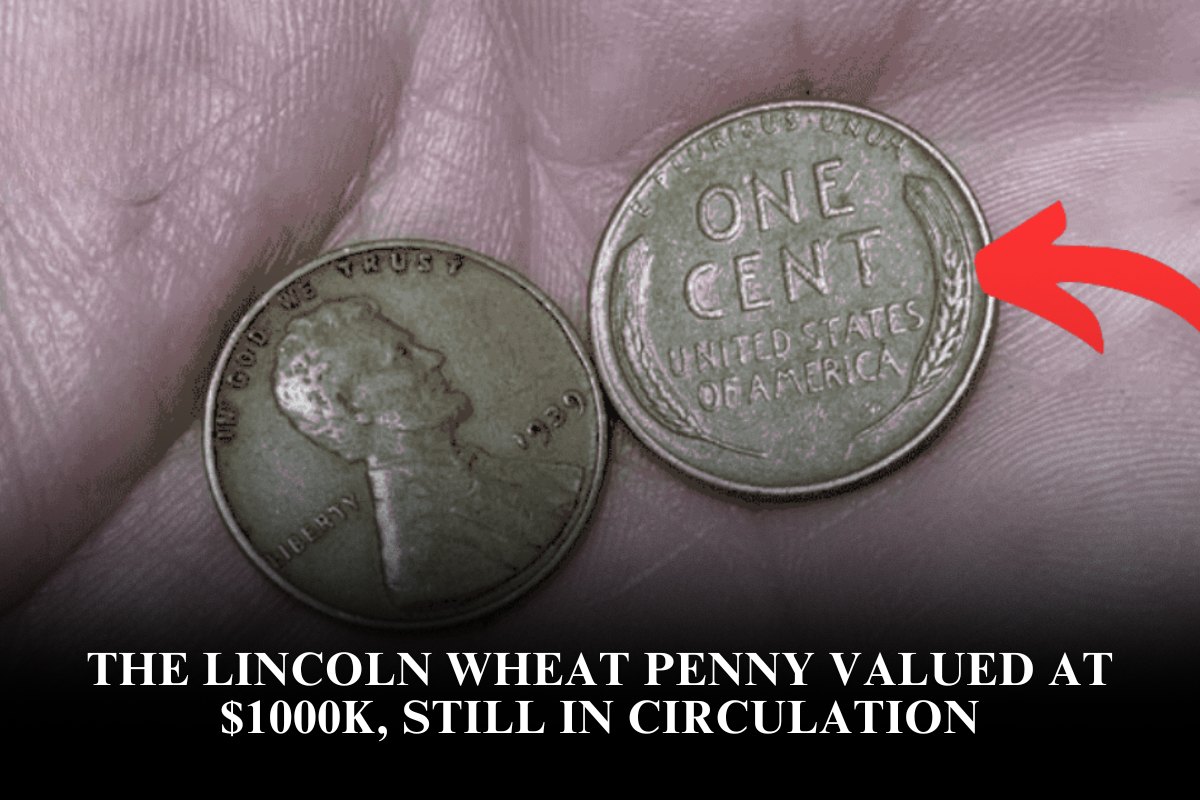
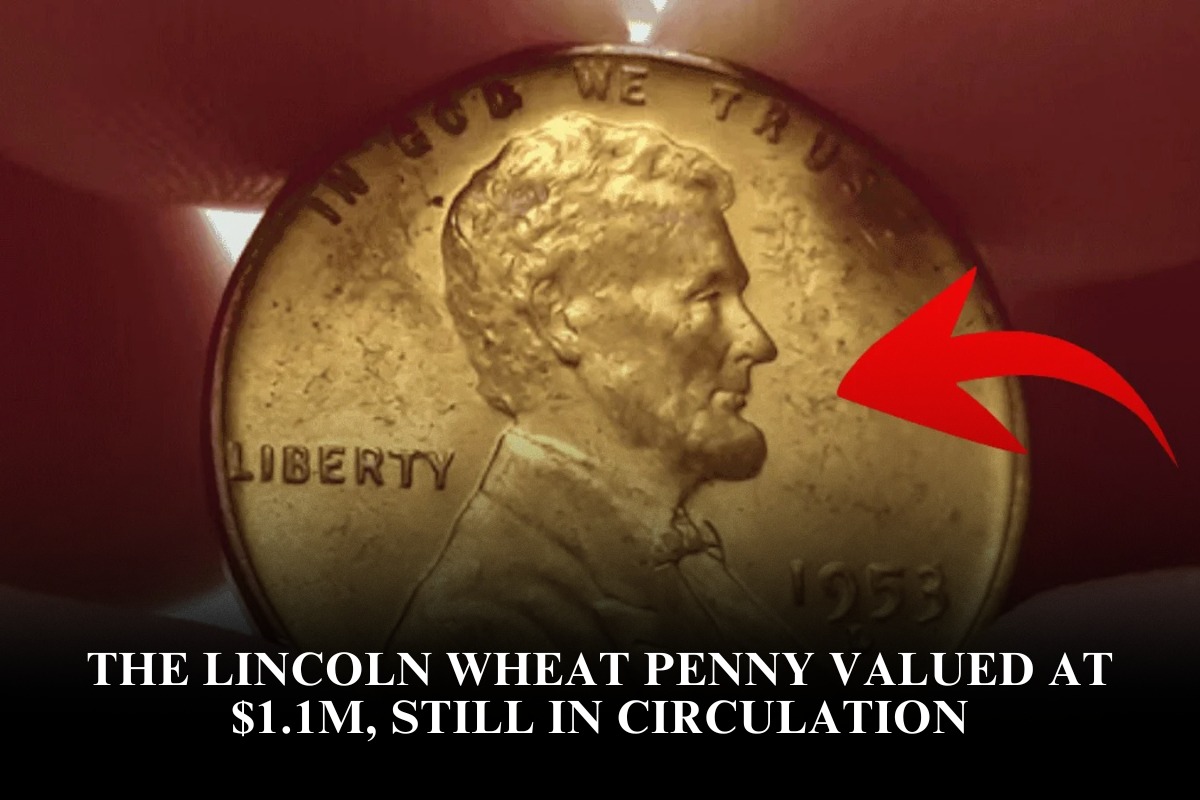
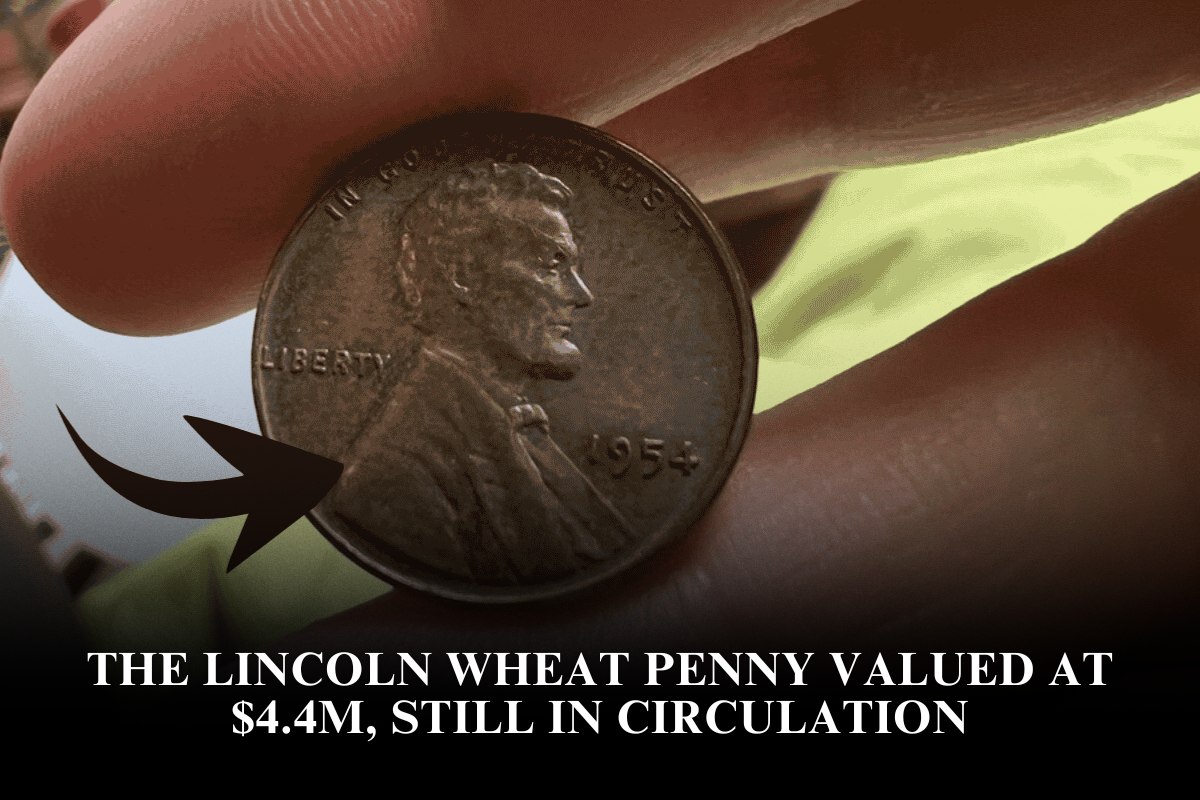
First minted in 1909 to commemorate Abraham Lincoln’s centennial, the Lincoln Wheat Penny was designed by Victor D. Brenner. Its obverse features Lincoln’s profile, while the reverse shows two wheat stalks flanking the coin’s denomination. Pennies from this series circulated until 1958, and though billions were minted, a handful stand out for their rarity and value due to errors or material anomalies.
Why Wheat Pennies Can Be Worth $100,000
The astronomical value attached to select Lincoln Wheat Pennies generally results from minting errors or accidental use of unusual materials. The most notable cases include:
- The 1943 copper wheat penny was mistakenly produced when most pennies were struck in steel for the war effort, making surviving copper issues exceedingly rare and valued into the hundreds of thousands and sometimes millions.
- Some other rare error coins like the 1958 double die obverse and steel 1944-D Lincoln Wheat Penny can command values from $60,000 up to $200,000 at auction.
- The mule error coin, such as the 2001-D Lincoln cent struck with a Roosevelt dime reverse, has sold twice for more than $100,000.
Realistic Circulation Possibilities
While most documented sales of $100,000+ pennies happen at public auctions, there remains a tantalizing possibility that a few could still be found in everyday transactions. These coins are so rare—often just a handful or a single surviving example exists—that stumbling across one in circulation would be akin to winning the lottery. The chance for discovery continues to fuel interest among collectors and everyday people alike.
Signs You May Have a Valuable Penny
Certain features can indicate a Lincoln Wheat Penny’s potential worth:
- Unusual material (for example, a 1943 penny made from copper rather than steel).
- Visible minting errors, such as doubled dates or off-center strikes.
- Key dates and mint marks (like 1909-S VDB, 1914-D, 1922 No D, and 1958 Double Die Obverse).
Even common wheat pennies in pristine, uncirculated condition can fetch hundreds or thousands of dollars.
The Collector’s Perspective
Coin collectors prize these pennies not only for their monetary value but also for their historical significance. Each rare Lincoln Wheat Penny is a tangible piece of American history, reflecting moments of change or human error at the U.S. Mint. Stories of surprise finds spark excitement and keep interest in coin collecting vibrant.
Frequently Asked Questions (FAQ)
1. What makes a Lincoln Wheat Penny valuable?
Rarity, historical significance, and minting errors all contribute to high values. The most sought-after are the 1943 copper penny, double die obverse issues, and rare error coins like mule cents.
2. Can I find a $100,000 Lincoln Wheat Penny in circulation?
While extremely unlikely, it remains possible. These coins were produced to circulate, and some may still exist in cash drawers or penny jars.
3. What should I do if I think I’ve found a rare wheat penny?
Do not clean the coin, as this can reduce its value. Get it graded and authenticated by a reputable coin dealer or third-party grading service for a professional assessment.
4. What are the most valuable Lincoln Wheat Pennies?
The 1943 copper and bronze pennies, the 1958 Double Die Obverse, and steel 1944-D are among the highest at auction, with values ranging from $60,000 to over $2 million in rare cases.
5. How do I know if my penny is an error coin?
Look for odd features like doubled dates, unusual colors, or misplaced mint marks. Consult detailed guides and price charts for specifics about rare varieties.