A Lincoln Wheat Penny valued at $1 million is an extraordinary rarity, often tied to significant minting errors or unique provenance. While most pennies bear little more than face value, a handful of Wheat Pennies—especially those with rare mint errors or from limited runs—have sold for prices reaching into the millions, making them numismatic treasures that fascinate collectors and historians alike.
What Is the Lincoln Wheat Penny?
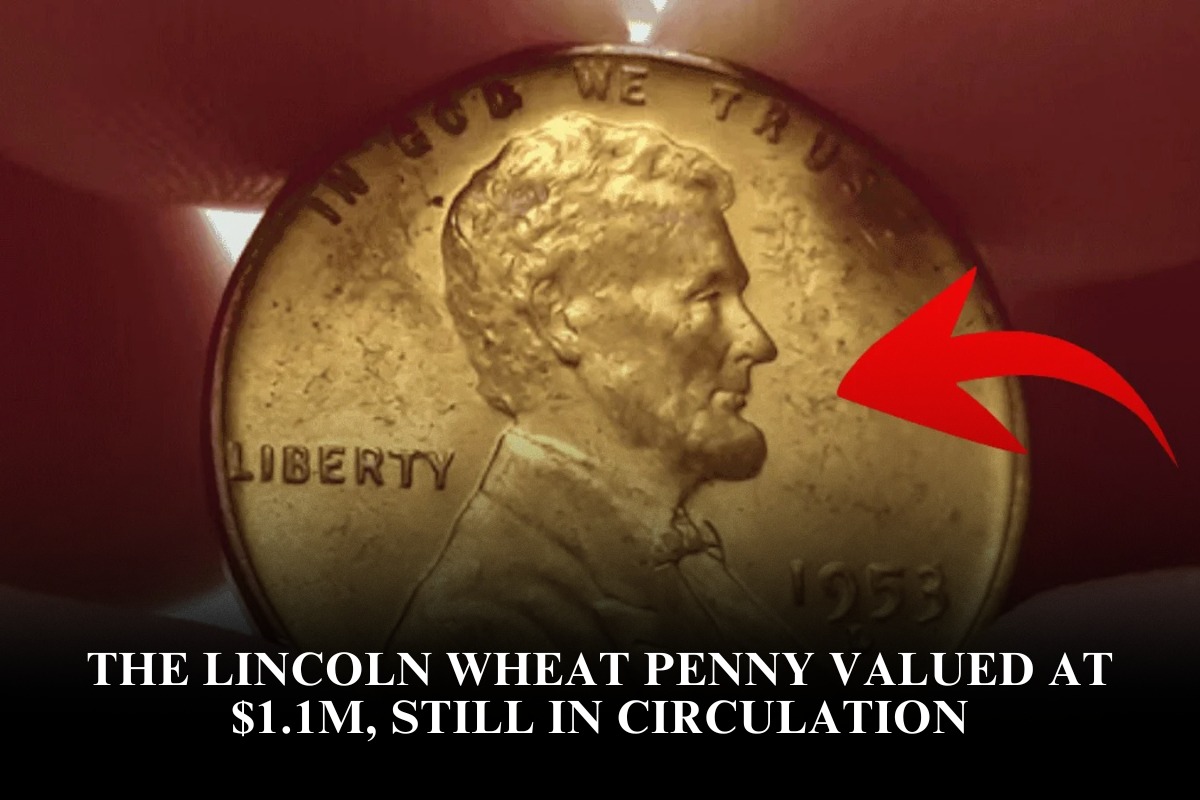
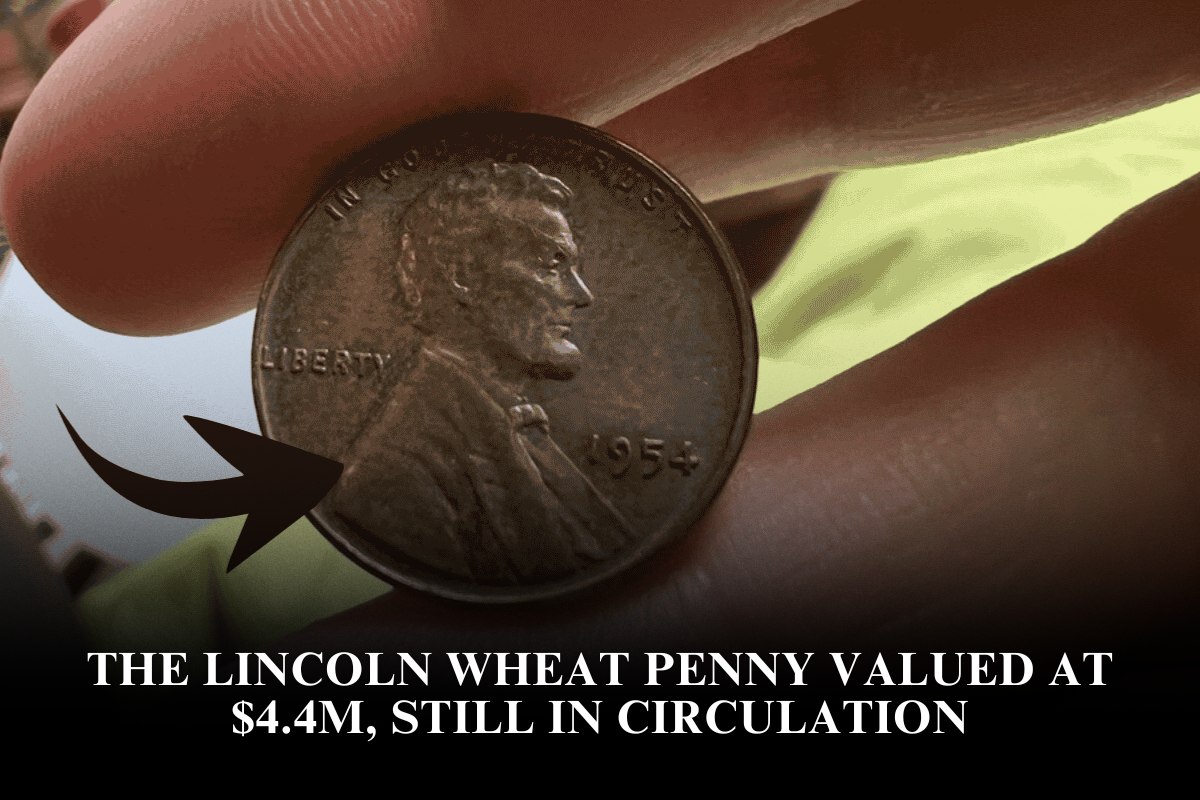
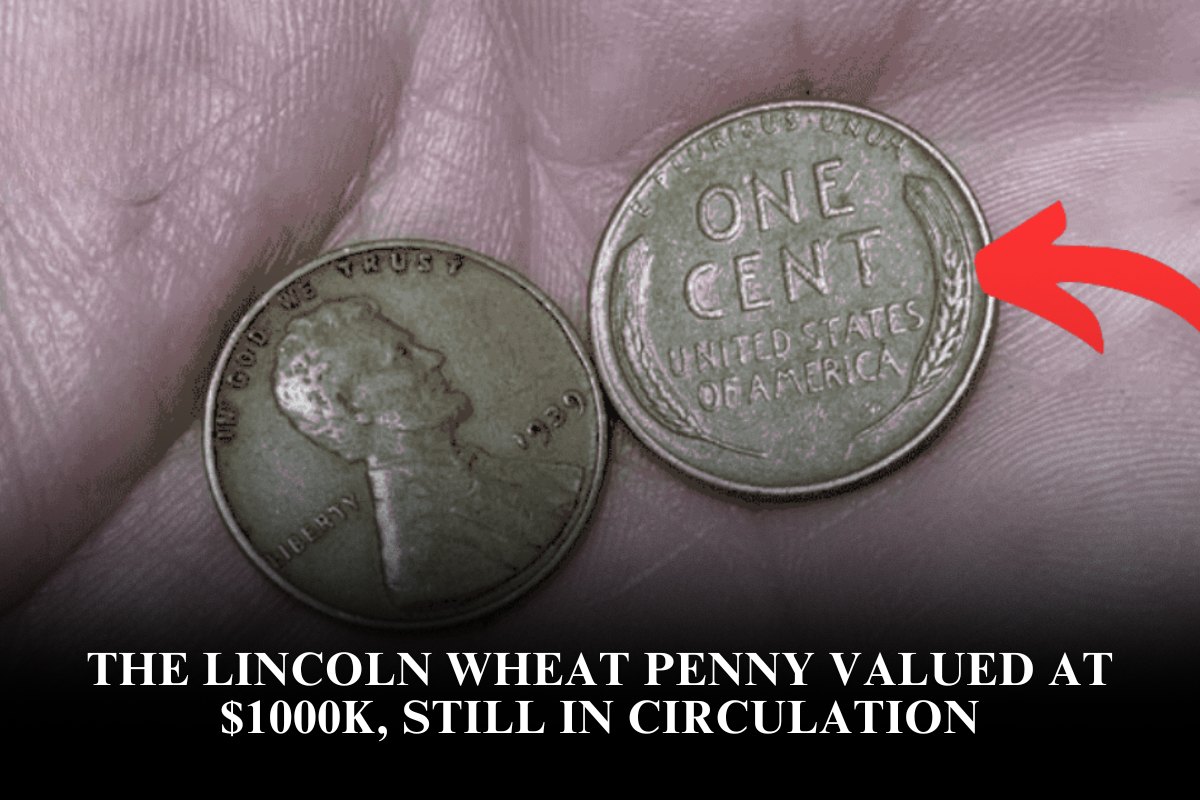
The Lincoln Wheat Penny was first introduced in 1909 to honor President Abraham Lincoln’s 100th birthday. Designed by Victor David Brenner, it features Lincoln’s profile on the obverse and two stalks of wheat on the reverse, symbolizing the nation’s agricultural roots. The Wheat Penny series ran until 1958 before transitioning to the Lincoln Memorial design.
Why Are Some Wheat Pennies Worth $1 Million?
The staggering value of some Lincoln Wheat Pennies comes from exceptional rarity factors, including:
- 1943 Bronze Penny: Typically, 1943 pennies were made of steel coated with zinc due to copper shortages in World War II. However, a very small number of bronze pennies were mistakenly minted that year. Only about a dozen such coins have been confirmed, with one example selling at auction for $2.3 million. This error coin is the most expensive Lincoln cent ever sold, making it a “holy grail” for collectors.
- 1909-S VDB Penny: One of the earliest coins in the series, the 1909-S VDB penny features the initials of the designer, Brenner, and was minted in San Francisco in limited quantity. Its rarity, combined with historical value, has led to prices reaching seven figures in pristine condition.
- Other Rare Varieties: Pennies with double dies, minting errors like the 1958 double die obverse and 1937-D three-legged variety, or coins with limited mintage and high collector demand can also exceed $1 million in exceptional cases.
Could a Million-Dollar Wheat Penny Still Be in Circulation?
While these pennies were originally minted for everyday transactions, the chance of encountering one in circulation today is astronomically low but not impossible. Many rare error pennies slipped into circulation before their abnormality was noticed and extracted by collectors. Over time, some specimens have resurfaced from collections, forgotten drawers, or estates.
Discoveries like the 1943 copper penny found in a teenager’s lunch money in 1947 illustrate the possibility that a few remain hidden in loose change. Collectors remain alert and hopeful that more might turn up, given their immense financial and historical significance.
How to Identify a Valuable Wheat Penny?
Key indicators of a potentially valuable Lincoln Wheat Penny include:
- Date and Mint Mark: Rare dates such as 1909-S VDB, 1914-D, 1922 no D, and 1943 bronze pennies are highly sought after.
- Material: Anomalies like copper pennies in war-time steel years.
- Design Anomalies and Errors: Doubling of the date or lettering, striking errors, and unusual features can drastically increase value.
- Condition: High-grade condition coins (mint or near-mint) see exponentially higher values compared to circulated examples.
Collecting and Protecting Wheat Pennies
If a rare Wheat Penny is suspected, it is critical to avoid cleaning or handling it excessively, as this can degrade the coin’s condition and value. Professional grading and authentication by recognized services can confirm authenticity and assign a condition grade, crucial for selling or insuring the coin.
Frequently Asked Questions (FAQ)
1. What is the most valuable Lincoln Wheat Penny?
The 1943 bronze penny is the most valuable, selling for over $2 million at auction. The 1909-S VDB penny is also highly prized and can be worth upwards of $1 million depending on condition.
2. Are million-dollar Wheat Pennies still found in circulation?
It is highly unlikely but not impossible. Some error pennies slipped into circulation, and very rare finds have occurred decades after minting. Collectors remain on the lookout for such discoveries.
3. How can I know if my penny is a rare or valuable Wheat Penny?
Look for key dates, mint marks, unusual metal content, and signs of minting errors like doubling. Consult coin guides or experts for identification.
4. Should I clean my valuable penny if I find one?
No. Cleaning often reduces a coin’s value significantly. Preservation in its original state is best before professional evaluation.
5. Where can I get my penny authenticated and graded?
Professional third-party grading services like PCGS or NGC specialize in authentication and grading, which help establish the coin’s market value.
The Lincoln Wheat Penny’s story is a remarkable combination of history, error, and rarity, making the prospect of a $1 million penny both fascinating and real. For collectors and casual finders alike, the humble penny holds potential fortunes just waiting to be discovered.