A Lincoln Wheat Penny valued at $4.4 million belongs to one of the rarest and most iconic error coins in American numismatic history. Primarily, this immense value is attributed to a 1943 bronze penny minted in an era when pennies were supposed to be made of steel due to copper shortages during World War II. Despite their extraordinary auction values, rumors persist that such pennies could still occasionally turn up in circulation.
The Lincoln Wheat Penny: An American Classic
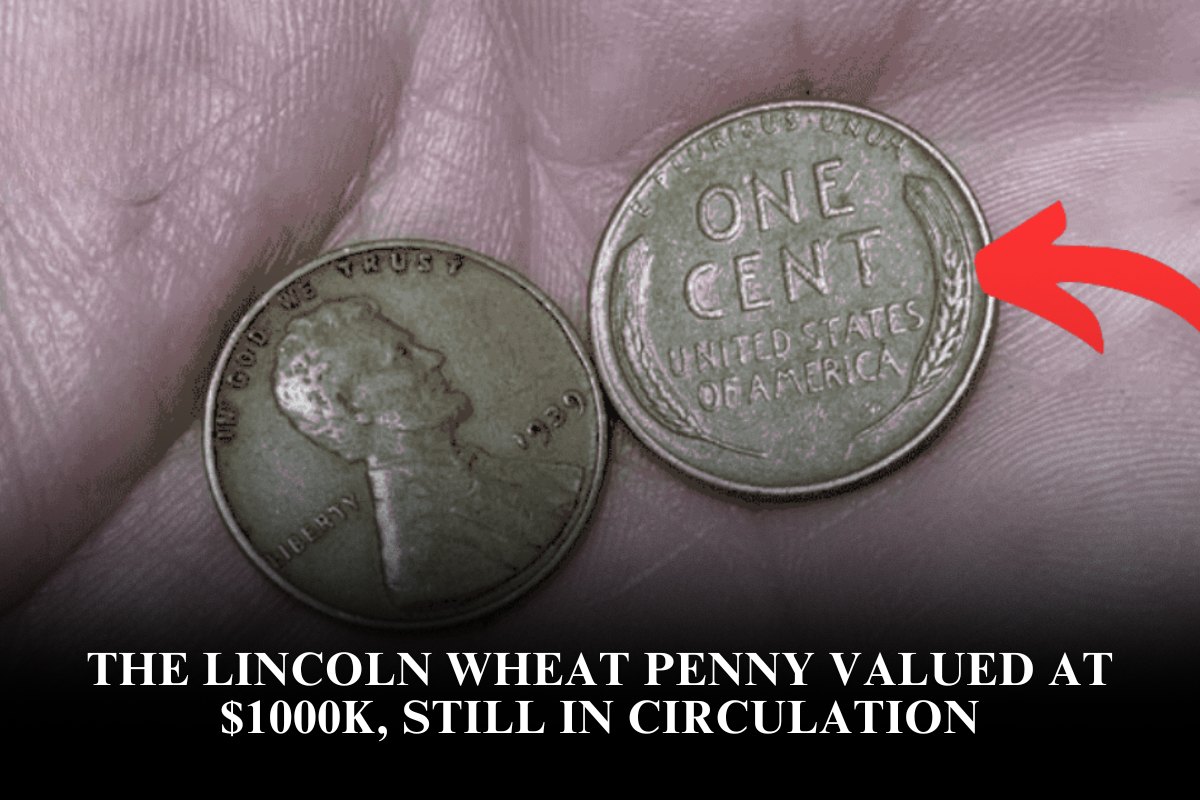
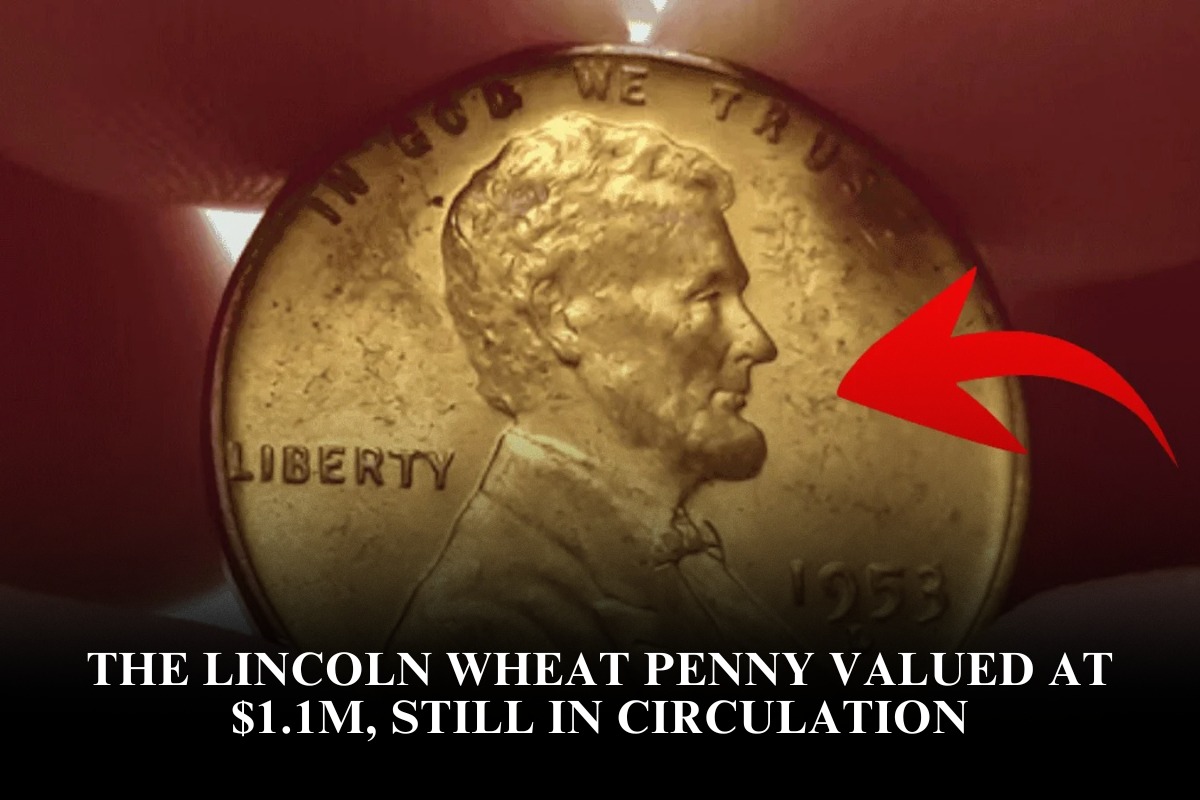
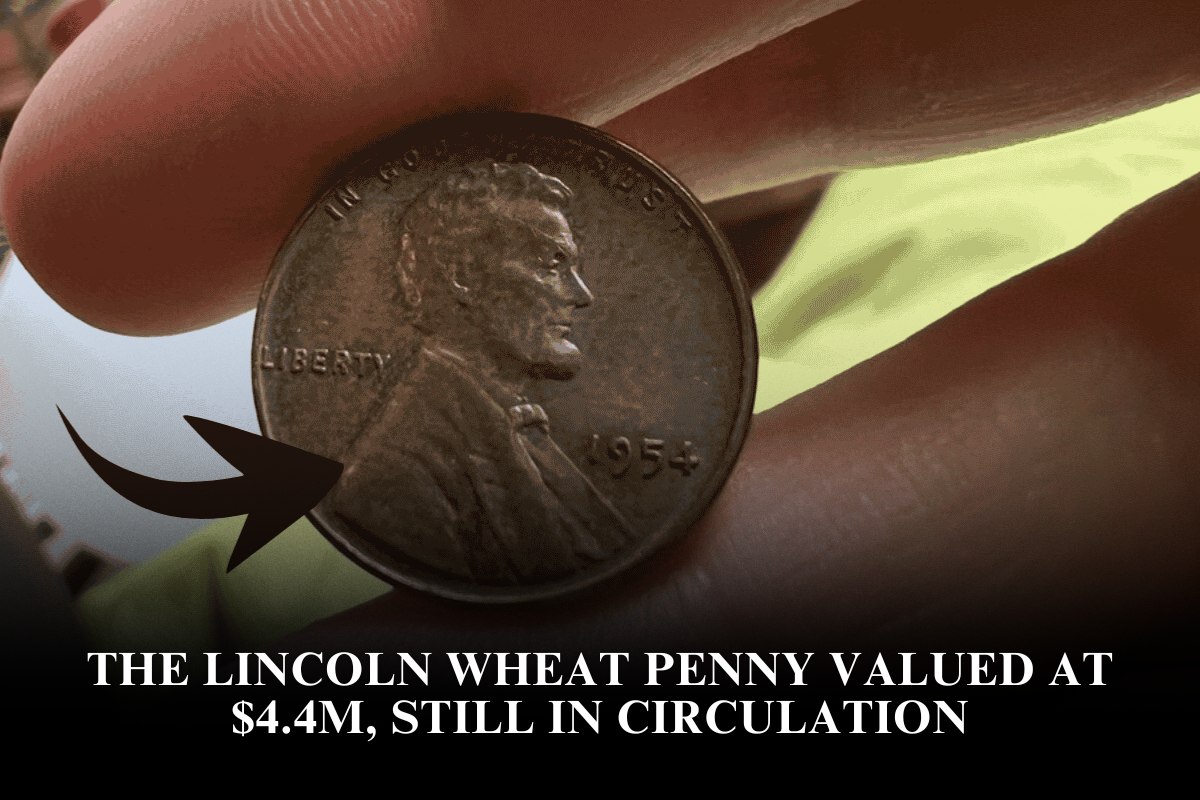
First introduced in 1909 to honor Abraham Lincoln’s centennial, the Wheat Penny’s design by Victor David Brenner was unique for placing a portrait of a U.S. president on a circulating coin for the first time. The obverse features Lincoln’s profile, while the reverse side displays two stalks of wheat, symbolizing the nation’s agricultural heritage. The coin was minted until 1958 before being replaced by the Lincoln Memorial design.
The 1943 Bronze Penny: The $4.4 Million Rarity
The 1943 Lincoln Wheat Penny is famous because almost all pennies minted that year were composed of steel coated in zinc to conserve copper for wartime needs. However, a tiny number of bronze pennies were mistakenly struck with the 1943 date using the 1942 bronze planchets. These pennies became instant treasures due to their extreme rarity.
One such 1943 bronze penny sold privately for approximately $4.4 million, making it one of the highest-valued Lincoln Wheat Pennies ever recorded. The combination of wartime history, material rarity, and documented provenance drives this astronomical value.
Are Million-Dollar Wheat Pennies Still in Circulation?
While high-value Wheat Pennies like the 1943 bronze penny are mostly found in private collections or auctions, there remains speculation and fascination over whether any could still be encountered in circulation. Historically, some rare pennies have been found unexpectedly in everyday use, such as the famous discovery of a 1943 bronze penny in a lunchbox in 1947.
Because only a few specimens of these multi-million-dollar pennies exist, finding one today in loose change remains highly improbable but not impossible. This possibility continues to fuel public interest and collector enthusiasm.
Identifying a Valuable Wheat Penny
Potentially valuable Lincoln Wheat Pennies can be identified by:
- Date and Metal Composition: The 1943 bronze penny is the holy grail, while other rare dates like 1909-S VDB and 1922 no D are also prized.
- Mint Errors: Look for anomalies like doubled dies, off-center strikes, and unusual mint markings.
- Condition: The better preserved the penny, the more value it holds.
Collectors need to exercise caution and avoid cleaning the coin, as surface damage can diminish value significantly.
Protecting Your Valuable Penny
If a rare penny is suspected, no cleaning, polishing, or alteration should be done. Professional grading and authentication by recognized numismatic services, such as PCGS or NGC, can verify authenticity and grade condition, which is essential for resale or insurance purposes.
Frequently Asked Questions (FAQ)
1. What makes the 1943 bronze Lincoln Wheat Penny worth $4.4 million?
Its extreme rarity as a copper penny minted during a steel penny year, combined with the story and historical significance, creates enormous demand and value among collectors.
2. Could a $4.4 million Wheat Penny really still be found in circulation?
While rare pennies have shown up in cash circulation historically, the chance is extremely remote but not zero. Most known examples are carefully preserved.
3. What other Wheat Pennies are highly valuable?
Other rare valuable Wheat Pennies include the 1909-S VDB, 1922 no D, 1958 double die, and various error coins.
4. How should I handle a potentially valuable Wheat Penny?
Do not clean or polish it. Seek professional grading and authentication to ensure its condition and value are preserved.
5. Where can I get my penny professionally graded?
Reputable third-party services like the Professional Coin Grading Service (PCGS) and the Numismatic Guaranty Corporation (NGC) can grade and certify rare coins.
The Lincoln Wheat Penny valued at $4.4 million reinforces the enduring allure of American coin collecting. This seemingly simple penny, transformed by history and minting anomalies, continues to captivate collectors and occasionally inspire dreams of fortune among everyday people.