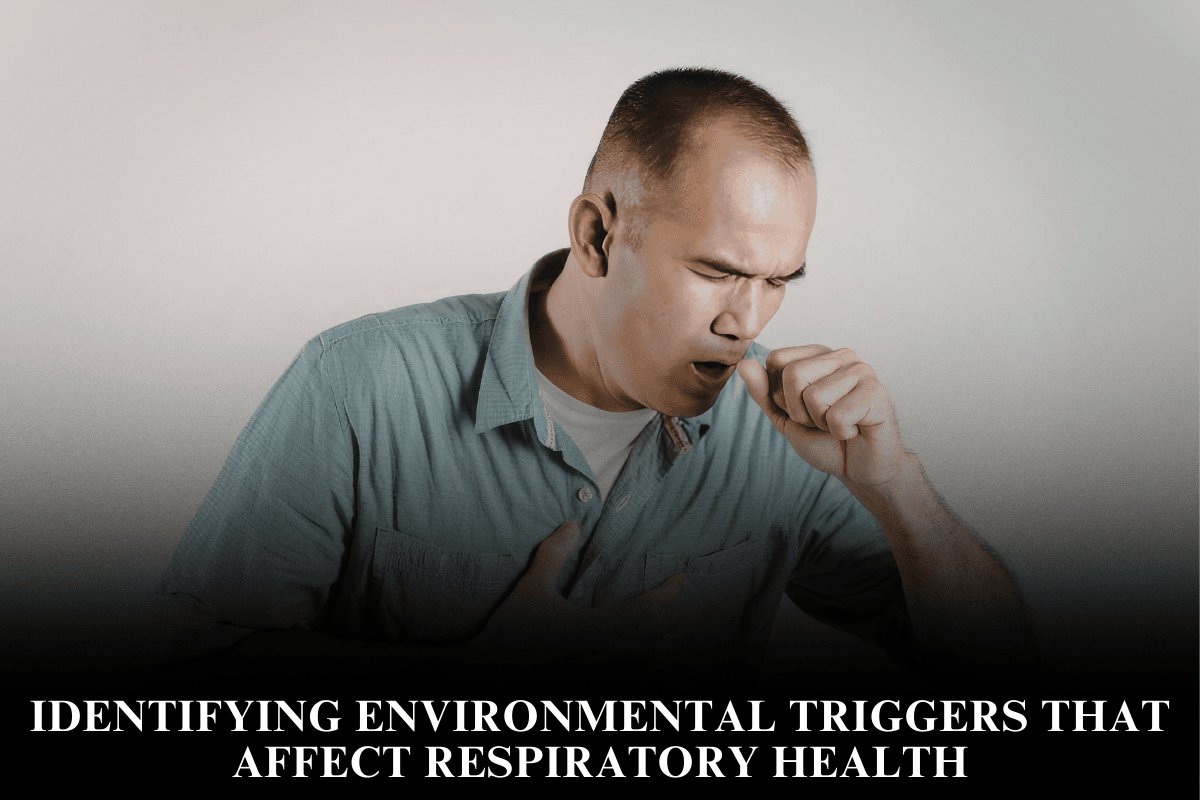
Environmental triggers play a key role in respiratory health, often exacerbating conditions like asthma, COPD, and allergies. Identifying and mitigating these factors can significantly reduce flare-ups and improve quality of life.
Air Pollution Impact
Outdoor air pollution from vehicle emissions, industrial smoke, and particulate matter (PM2.5, PM10) irritates airways, causing inflammation and reduced lung function.
Fine particles penetrate deep into lungs, triggering asthma attacks and worsening chronic bronchitis, especially in urban areas with high traffic. Ground-level ozone, formed on hot days from chemical reactions, further aggravates symptoms by narrowing air passages.
Allergens in Daily Life
Pollen from trees, grasses, and weeds peaks seasonally, provoking allergic rhinitis and asthma in sensitive individuals. Indoor allergens like dust mites, mold spores, pet dander, and cockroach droppings thrive in humid or cluttered spaces, leading to persistent coughing and wheezing. These microscopic invaders sensitize the immune system, causing mucus buildup and airway constriction over time.
Smoke and Chemical Irritants
Tobacco smoke, including secondhand exposure, contains thousands of chemicals that damage cilia in airways, impairing clearance of mucus and pathogens.
Wildfire smoke and biomass burning (e.g., wood stoves) release toxins like carbon monoxide, intensifying respiratory distress during fire seasons. Household irritants—cleaning products, paints, and volatile organic compounds (VOCs)—emit fumes that mimic pollution effects indoors.
Indoor Air Quality Risks
Poor ventilation traps pollutants, making homes hotspots for triggers; mold grows in damp bathrooms or basements, while cooking fumes add to PM levels. Environmental tobacco smoke heightens asthma risks in children, with parental smoking linked to more frequent attacks. Carpets and upholstery harbor dust and allergens, circulating them via HVAC systems if filters aren’t changed regularly.
Weather and Climate Factors
Cold, dry air constricts airways, prompting bronchospasm in asthmatics during winter. High humidity fosters mold and mite proliferation, while sudden temperature shifts or thunderstorms disperse pollen aggressively. Climate change amplifies these through prolonged pollen seasons and intensified wildfires, increasing exposure duration.
Occupational and Extreme Exposures
Workplace dust, chemicals, or fumes (e.g., in construction or factories) cause occupational asthma, the most common work-related lung disease. Sulfur dioxide (SO2) and nitrogen dioxide (NO2) from industry irritate lungs, elevating infection risks. Extreme events like dust storms carry fine particles, overwhelming respiratory defenses in vulnerable populations.
Prevention Strategies
Monitor air quality indexes daily via apps to avoid outdoor activities on high-pollution days. Use HEPA filters, dehumidifiers, and exhaust fans to purify indoor air; wash bedding weekly in hot water to kill mites. Quit smoking and enforce no-smoke zones; opt for natural cleaning products to minimize VOCs. Regular exercise in clean environments builds lung resilience, while staying hydrated thins mucus.
Personal Monitoring Tips
Track symptoms with a journal, noting correlations to weather, locations, or activities for pattern recognition. Allergy testing identifies specific triggers, enabling targeted avoidance or immunotherapy. Consult pulmonologists for peak flow meters to gauge lung function daily and detect early declines.
Proactive identification empowers better management, reducing emergency visits and enhancing daily breathing ease.
FAQs
1. What are the top outdoor triggers for asthma?
Pollen, air pollution (PM, ozone), and smoke from wildfires or traffic.
2. How can I reduce indoor allergens?
Use allergen-proof covers, vacuum with HEPA filters, and maintain 30-50% humidity.
3. Does weather affect respiratory health?
Yes—cold air, humidity, and storms can trigger spasms or spread pollen.
4. Is secondhand smoke a big risk?
Absolutely; it causes frequent attacks and lung damage, especially in kids.
5. How do I check local air quality?
Use apps or government sites tracking AQI, PM2.5, and ozone levels daily.