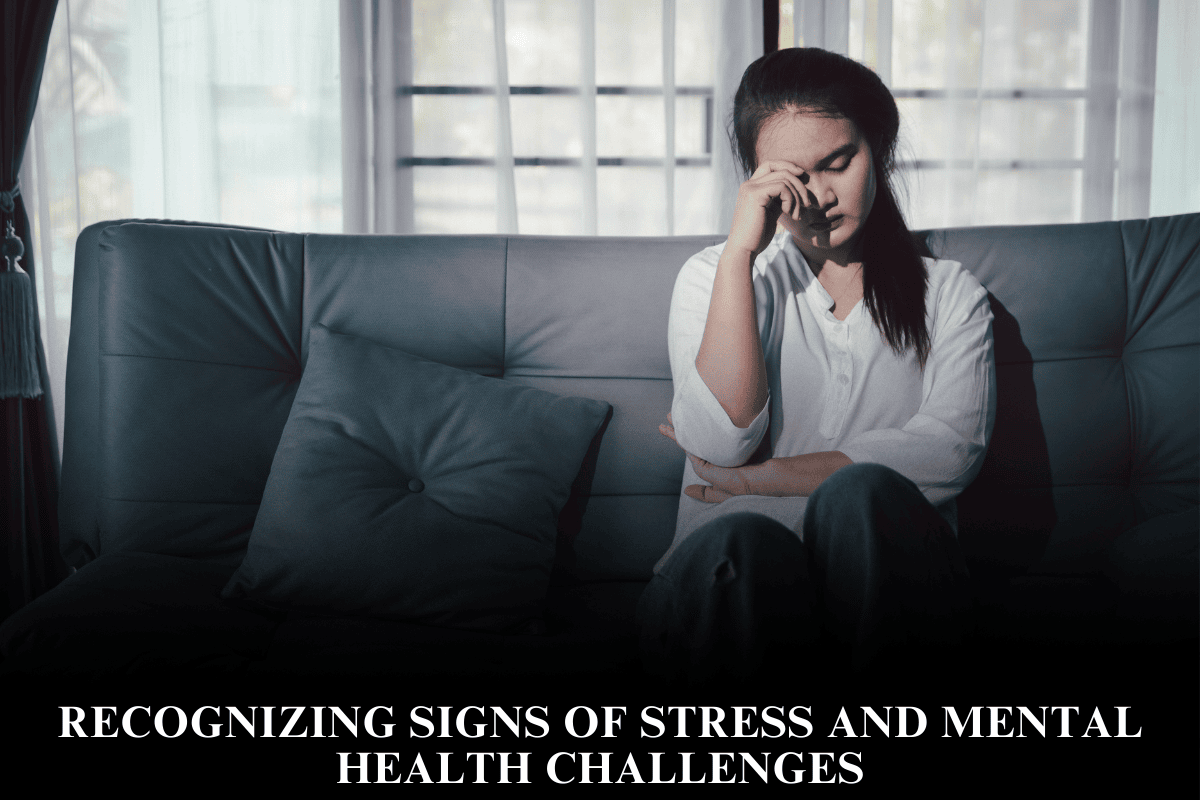
Stress and mental health challenges affect millions of Americans, with workplace issues amplifying risks amid rising demands. Early recognition empowers individuals to seek support, preventing escalation into severe conditions like anxiety or depression.
Common Physical Signs
Physical symptoms often signal stress overload before emotional ones surface. Frequent headaches, muscle tension, or unexplained fatigue drain daily energy.
Jaw clenching, stomach issues like nausea or IBS flares, and sleep disruptions—insomnia or oversleeping—commonly appear under pressure. Rapid heartbeat, high blood pressure, or weakened immunity leading to frequent colds indicate chronic activation of the body’s fight-or-flight response.
These signs stem from cortisol surges; ignoring them heightens risks for heart disease or burnout.
Emotional and Behavioral Indicators
Irritability, anger outbursts, or mood swings mark emotional strain in high-stress environments. Feelings of overwhelm, anxiety, or persistent sadness erode motivation.
Behavioral shifts include withdrawal from social activities, procrastination, or overworking to cope. Substance use spikes—alcohol, caffeine, or smoking—as quick escapes.
Appetite changes, like binge eating or loss of interest in food, pair with reduced productivity or “presenteeism,” where workers show up but underperform.
Cognitive Warning Signs
Trouble concentrating, racing thoughts, or constant worry impair decision-making. Memory lapses, negative self-talk, or pessimism about the future signal mental fatigue.
Decision paralysis hits during deadlines, fostering a cycle of self-doubt. In severe cases, catastrophic thinking—”everything will fail”—emerges.
These cognitive disruptions affect 77% of stressed workers, linking to 20% productivity drops.
Workplace-Specific Red Flags
Toxic workplaces amplify signs, with 19% of U.S. workers reporting harm to mental health from harassment or disrespect. 75% face anxiety or stress “often” or “sometimes,” Gen Z at 91%.
Burnout shows as emotional exhaustion (31%), demotivation (26%), or quit urges (23%). Leaves for mental health surged 300% from 2017-2023.
Fear of stigma—43% worry about job impacts—delays help-seeking in 55% of cases.
| Stress Level | Key Signs | Prevalence (Workers) |
|---|---|---|
| Mild | Fatigue, mild anxiety | 65% |
| Moderate | Irritability, insomnia | 76% burnout |
| Severe | Suicidal thoughts, withdrawal | 37% often |
When Signs Indicate Serious Challenges
Chronic stress evolves into disorders if unchecked; depression involves hopelessness lasting weeks, anxiety persistent dread. PTSD from trauma brings flashbacks; bipolar swings extremes.
Seek urgent help for suicidal ideation, panic attacks, or self-harm—call 988 Suicide & Crisis Lifeline. Nearly 1 in 5 adults live with mental illness; workplace stress causes 120,000 deaths yearly.
Hallucinations or mania require ER visits.
Strategies for Early Recognition
Self-monitor via journaling mood, sleep, energy weekly. Use apps like Moodpath or CDC checklists for patterns.
Discuss with trusted peers; 49% want employer mental health resources. Track triggers—deadlines, conflicts—to intervene early.
Support and Next Steps
Build resilience through exercise (30 min/day), mindfulness, or therapy. Employers offering EAPs reduce absenteeism 25%.
Normalize conversations; 84% experienced challenges last year, yet stigma persists. Professional help via psychologists or apps like Headspace restores balance.
Prevent escalation: Rest, boundaries, nutrition counter stress physiology.
Frequently Asked Questions
Q1: What are top physical signs of stress?
A: Headaches, fatigue, sleep issues, and stomach problems affect most under pressure.
Q2: How common is workplace mental health harm?
A: 22% report harm; toxic environments triple risks.
Q3: When to seek emergency mental health help?
A: Suicidal thoughts, panic attacks, or self-harm—call 988 immediately.
Q4: What’s burnout’s impact on productivity?
A: Emotional exhaustion and demotivation hit 31-26% of workers.
Q5: Why do younger workers face more challenges?
A: 91% of Gen Z report frequent stress, anxiety from job pressures.