Increasing awareness of respiratory health and air quality is vital amid rising U.S. pollution levels, where nearly half the population—156 million people—breathes unhealthy air per the 2025 State of the Air report. Education empowers action, reducing risks from asthma, COPD, and premature deaths linked to ozone and particulates.
Current Air Quality Crisis
Poor air quality exacerbates respiratory diseases, with 10% of Americans suffering chronic conditions like asthma and COPD. People of color face disproportionate exposure—twice as likely to live in failing pollution counties. Wildfires and heat waves worsened impacts in 2025, affecting 46% of the population.
EPA and Community Initiatives
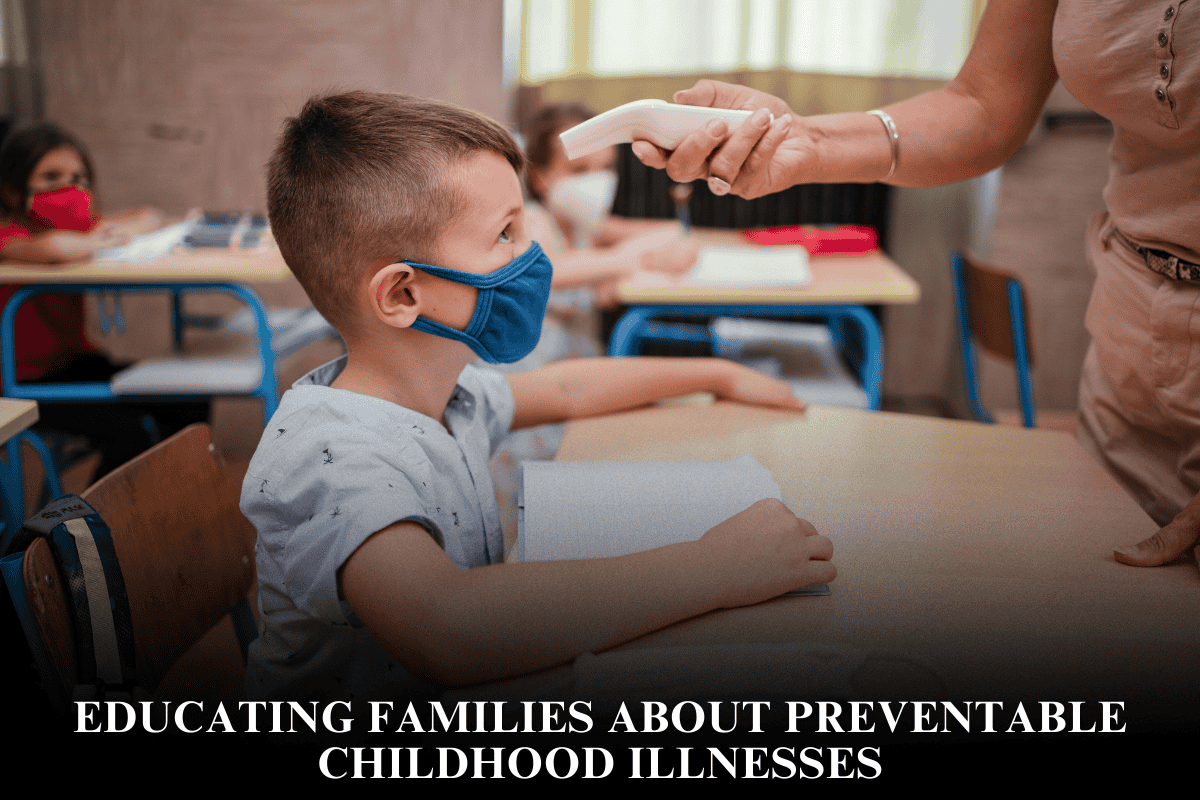
EPA’s Air Quality Flag Program uses color-coded flags based on the Air Quality Index (AQI) to alert schools and communities, promoting asthma-free days and reduced hospitalizations. Resources for educators include STEM activities on pollution and climate. Indoor air quality tools target schools, addressing hidden threats like mold.
Proven Awareness Strategies
Campaigns like Spare the Air boost knowledge but need better outreach—only 17% recalled alerts in past evaluations. Social media, apps, and school curricula increase AQI checks and protective behaviors. Vulnerable groups, like low-income communities in “Cancer Alley,” benefit from targeted education on pollution inequities.
Health and Economic Gains
Awareness reduces ER visits; AQI exceedances spike asthma (PM2.5, SO2) and bronchitis. Studies link alerts to fewer symptoms, fewer missed school days. Equity-focused efforts cut disparities, saving billions in healthcare—pollution drives chronic ailments in underserved areas.
Actionable Steps for Awareness
These build resilience against pollution spikes.
Path Forward
With 72.8 million unmonitored, expanding monitors and education is urgent. Trump-era rollbacks threaten progress; public pressure via awareness campaigns can counter this.
FAQs
1. How many Americans face unhealthy air?
156 million (46%), per 2025 American Lung Association report.
2. What pollutants harm respiratory health most?
PM2.5, SO2, ozone—trigger asthma, bronchitis exacerbations.
3. How does EPA’s Flag Program work?
Daily color flags signal AQI, educating on avoidance actions.
4. Are disparities in air quality exposure?
Yes, people of color 2-3x more likely in failing areas.
5. Does awareness reduce health impacts?
Yes, via fewer ER visits, school absences for asthmatics.