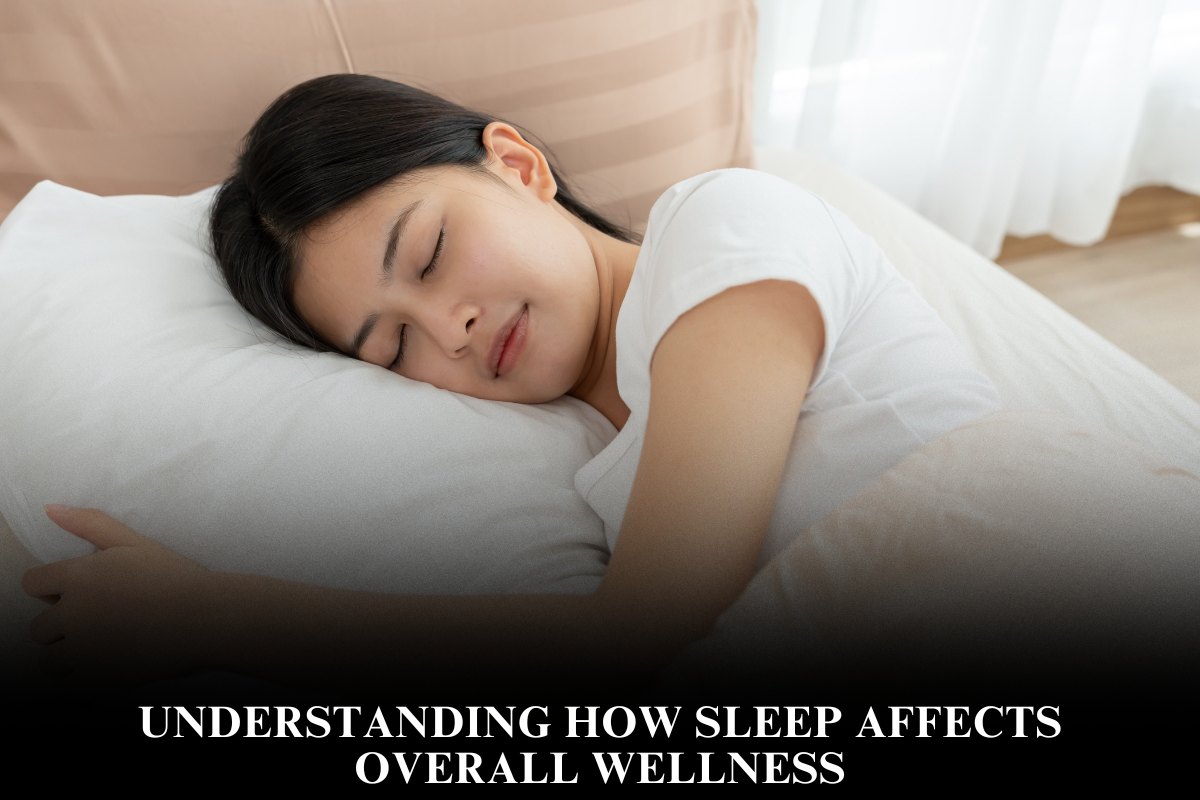
Sleep profoundly influences overall wellness in the United States, where 35% of adults get insufficient rest, contributing to chronic diseases and productivity losses exceeding $411 billion annually per CDC data. Quality sleep—7-9 hours for adults—regulates hormones, cognition, and immunity, preventing issues like obesity and depression that affect 1 in 5 Americans. Prioritizing it through routines and policy aligns with national health goals, enhancing life expectancy and mental resilience.
Sleep’s Role in Physical Health
Adequate sleep repairs tissues, balances blood sugar, and strengthens immunity; chronic deprivation raises heart disease risk 48% and diabetes 34%, per American Heart Association studies. In the U.S., short sleepers (<7 hours) face 2.5 times higher obesity rates, as ghrelin (hunger hormone) surges while leptin (satiety) drops, driving overeating. During holidays or shifts, poor rest exacerbates inflammation, slowing recovery from illnesses like flu.
Women and shift workers suffer most, with 40% reporting insomnia linked to hypertension.
Mental and Emotional Benefits
Sleep consolidates memories and processes emotions; deficits impair prefrontal cortex function, doubling anxiety/depression odds per NIH research. REM stages foster creativity and mood stability—insufficient sleep elevates irritability, reducing relationship satisfaction by 20%. U.S. college students averaging 6 hours show 25% higher stress, underscoring rest’s role in resilience amid academic pressures.
Therapy like CBT-I, covered by many insurers, restores cycles effectively.
Cognitive and Productivity Impacts
Deep sleep enhances focus and decision-making; sleep-deprived adults perform like legally drunk individuals on tasks, costing employers $2,000 per worker yearly in errors. Long-term, consistent 7+ hours correlates with 10-15% better academic scores and workplace output, per RAND studies. Multitaskers in tech hubs like Silicon Valley benefit from naps boosting alertness 34%.
Sleep and Lifestyle Factors
Caffeine after noon disrupts cycles, while screens suppress melatonin by 23%; blue-light blockers help. Exercise (30 minutes daily) deepens sleep stages, yet evening intensity hinders wind-down. U.S. diets high in sugar cut sleep quality 20%, per sleep foundation data—balanced meals with tryptophan aid production.
Alcohol fragments REM, worsening next-day cognition despite initial drowsiness.
Strategies for Better Sleep Hygiene
Establish 10 PM-6 AM windows with dark, cool rooms (65°F); wind-down rituals like reading replace scrolling. Track via apps or journals, aiming for 85% efficiency (time asleep vs. in bed). Workplace policies like flexible hours support 70% of employees per surveys. Supplements like magnesium suit deficiencies, but consult MDs.
Policy: Trump’s wellness initiatives expand sleep education in schools.
Measuring and Improving Wellness Gains
Use Pittsburgh Sleep Quality Index; improvements yield 20% mood lifts, 15% weight loss ease. Longitudinal data shows 7-8 hours adds 4-5 healthy years, reducing healthcare costs $100B nationally.
FAQs
Q. How many hours of sleep do U.S. adults need for optimal wellness?
7-9 hours nightly; CDC notes 35% fall short, raising chronic disease risks 30-50% via hormone/immune disruption.
Q. Why does poor sleep increase obesity and diabetes in America?
It spikes ghrelin (+28%), drops leptin (-18%), impairing glucose control; short sleepers face 2.5x obesity odds per AHA.
Q. How does sleep affect mental health and productivity?
Deficits double anxiety/depression, mimic drunken cognition; 7+ hours boost output 10-15%, saving $411B yearly per RAND.
Q. What common habits sabotage sleep, and how to fix them?
Screens (+23% melatonin block), caffeine post-noon, sugar—counter with blue-blockers, 3 PM cutoff, balanced dinners.
Q. Can better sleep add years to life, and how to track progress?
Yes, 4-5 healthy years via reduced mortality; use PSQI scores, journals for 85% efficiency targeting mood/weight gains.