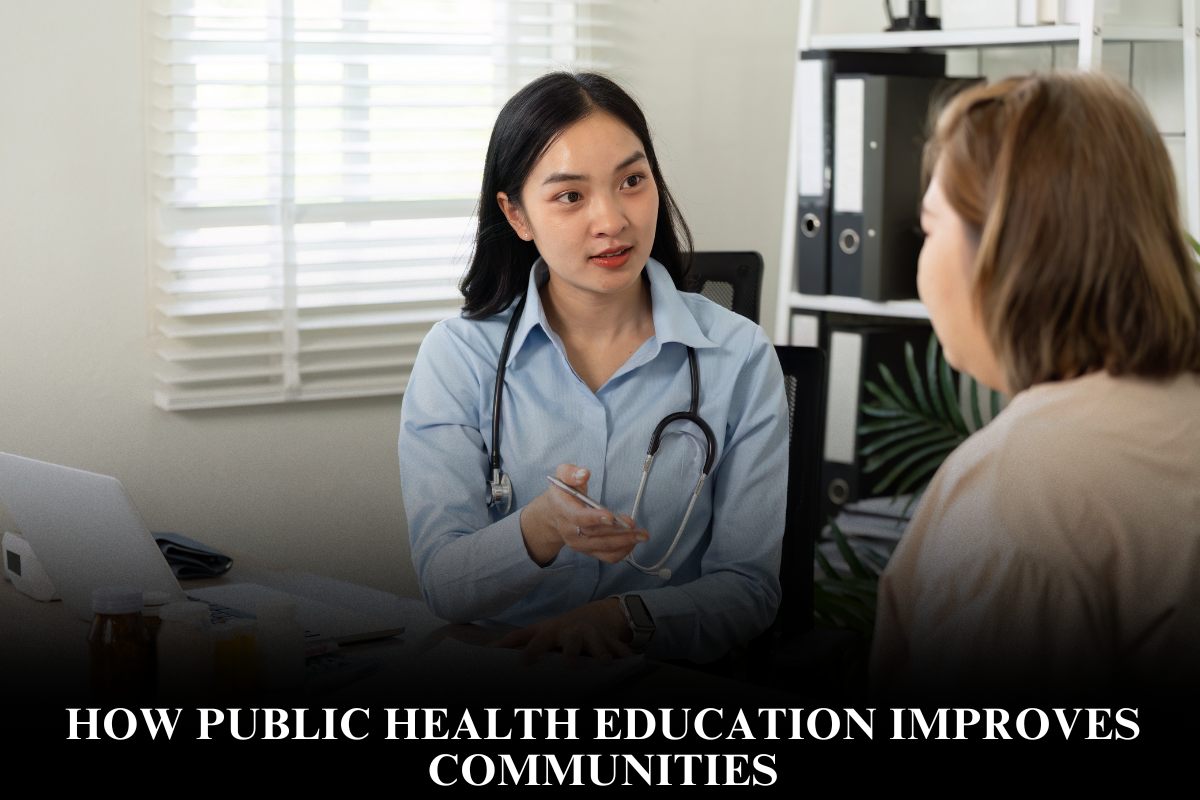
Public health education improves U.S. communities by raising health literacy, promoting prevention, and empowering residents to shape healthier environments and policies. When people understand how lifestyle, environment, and systems affect health, communities see fewer preventable illnesses, lower costs, and stronger resilience in crises.
Building Health Literacy and Informed Choices
Health literacy—people’s ability to find, understand, and use health information—is a core outcome of public health education. In the United States, an estimated tens of millions of adults have limited health literacy, which is linked to more hospitalizations, poorer medication use, and worse chronic disease outcomes. Programs that simplify information, use plain language, and offer culturally tailored materials help residents navigate care, interpret labels, and follow treatment plans, improving safety and self‑management.
Preventing Disease and Reducing Costs
Education campaigns on vaccination, nutrition, physical activity, and tobacco use enable people to prevent disease rather than only treat it. CDC’s Healthy Communities initiatives have provided local health departments with tools and training to promote smoke‑free policies, access to healthy foods, and active transportation, reducing chronic disease risks over time. Evidence shows higher health literacy is associated with more flu shots, fewer avoidable hospitalizations, and lower emergency department use, which in turn reduce Medicare spending per beneficiary.
Addressing Health Equity and Social Determinants
Educational attainment itself is strongly tied to life expectancy, morbidity, and health behaviors in U.S. populations. Public health education that targets social determinants—such as housing, employment, and neighborhood safety—helps communities understand and act on upstream drivers of disease, narrowing disparities.
Community‑based programs, school health curricula, and workplace wellness initiatives, like those guided by Healthy People’s Educational and Community-Based Programs workgroup, prioritize underserved groups and promote equity.
Community Engagement and Empowerment
Effective public health education is participatory, not just informational. The CDC’s community engagement guidance recommends assessing local needs, co‑designing workshops with residents, and tailoring content to culture and reading level, as seen in tribal health education projects that piloted materials and languages with community reviewers. When people are invited to shape messages and strategies, they become advocates for safer environments, better services, and policies that address contamination, chronic disease, and mental health.
Modernizing Public Health for Today’s Challenges
Recent analyses call for modernizing U.S. public health education to tackle climate change, pandemics, and misinformation. Universities and agencies are updating curricula and fellowships to emphasize communication, data literacy, and community partnerships, preparing professionals to design effective education campaigns in digital and multicultural contexts. This transformation aims to keep public health relevant and effective for twenty‑first‑century communities.
Examples of Community Impact
- CDC’s Healthy Communities Program has helped localities implement environmental changes—like safer walking routes and smoke‑free spaces—that support education messages with real options.
- Health literacy interventions in U.S. adults have been linked to improved self‑care, reduced emergency use, and better quality of life.
- Community health programs improve access to preventive services and engage citizens in decisions, lowering overall medical costs.
FAQs
1. What is the main goal of public health education in U.S. communities?
To equip people with knowledge and skills to prevent disease, manage conditions, and advocate for healthier environments, improving overall community well‑being.
2. How does health education reduce healthcare costs?
By increasing health literacy and prevention (vaccines, screenings, self‑management), it cuts avoidable hospitalizations, emergency visits, and readmissions, lowering system costs.
3. Why is public health education important for equity?
It targets low‑literacy and marginalized groups, addressing social determinants and closing gaps in access, outcomes, and life expectancy.
4. How are communities involved in designing education programs?
Agencies use needs assessments, co‑create materials with local leaders, pilot workshops, and adapt language and tone based on feedback to reflect community culture.
5. What role do U.S. agencies like CDC play?
They fund and guide local efforts, provide toolkits and training, and run national initiatives (like Healthy Communities and Healthy People) that set goals and share best practices.