Public health education plays a vital role in building healthier communities by equipping individuals with the knowledge, skills, and motivation to make informed health decisions. It goes beyond individual healthcare, addressing systems, behaviors, and social determinants that influence wellness across populations. This guide explores why public health education matters, its benefits, and how it empowers communities for sustainable health improvements.
Empowering Individuals Through Knowledge
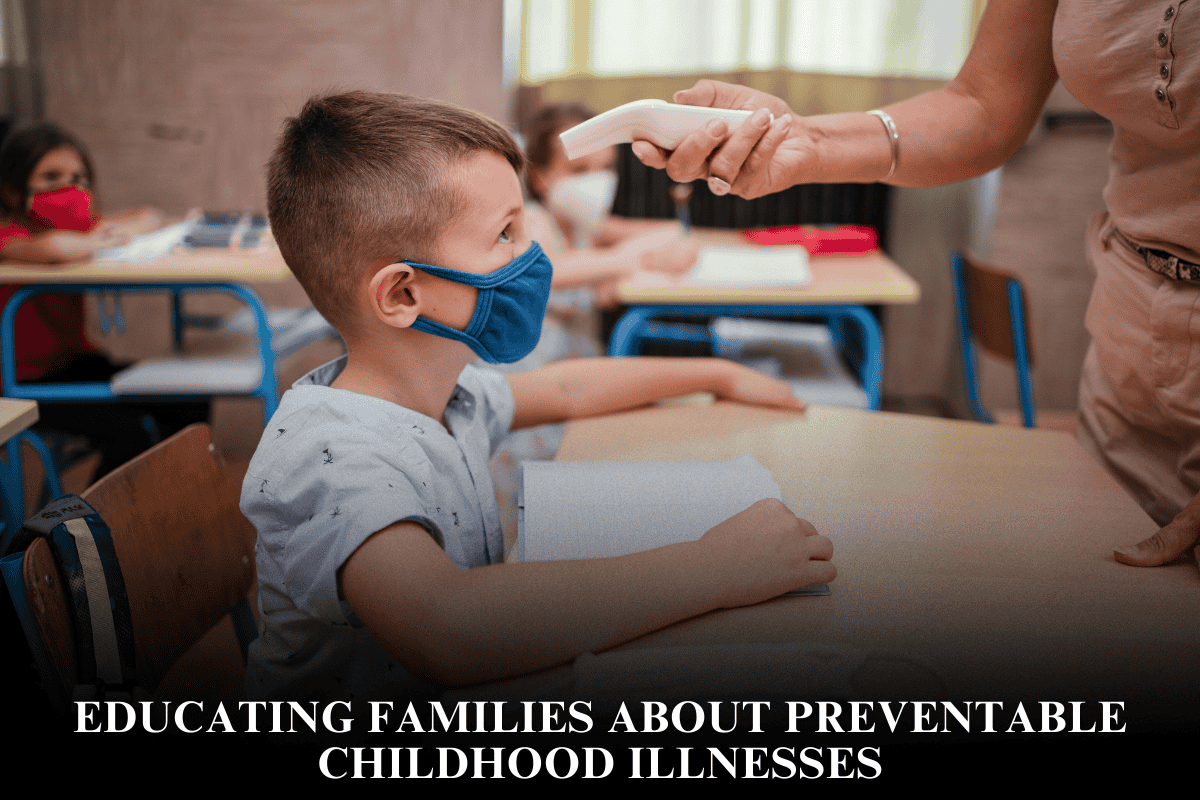
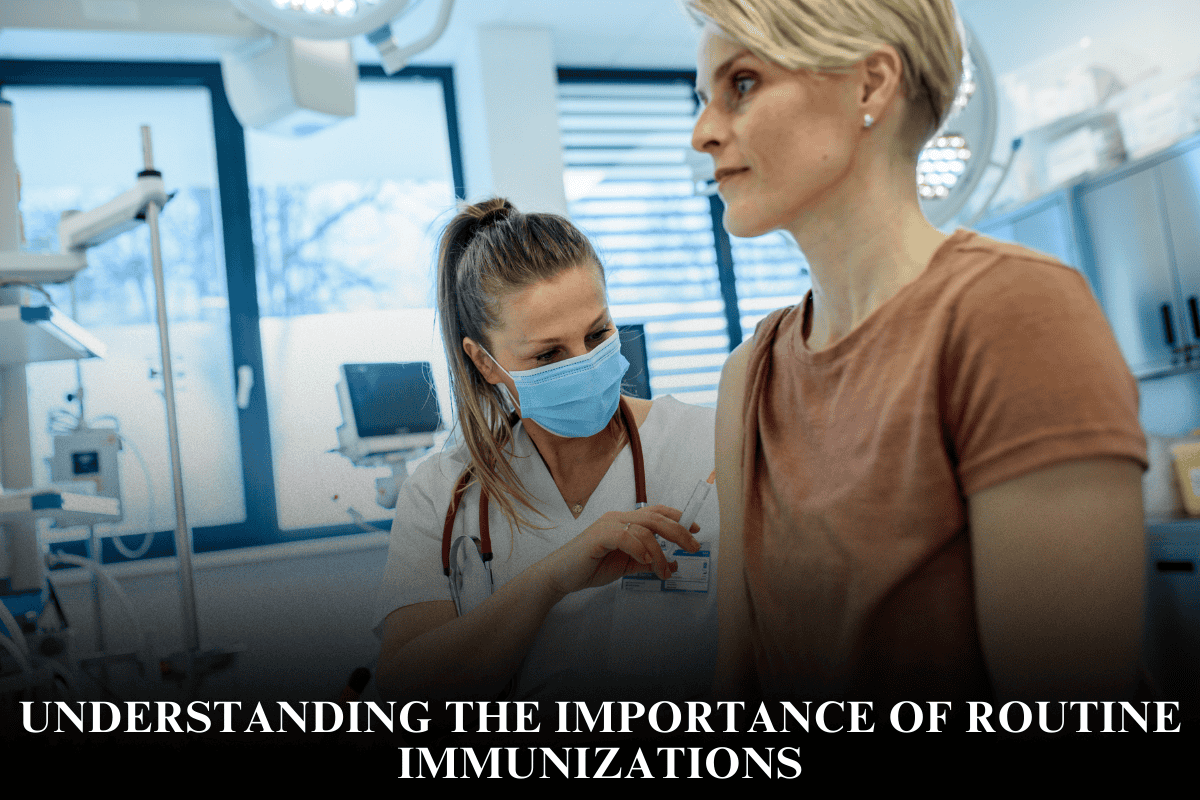
Health education provides clear, accurate, and practical information on topics such as nutrition, hygiene, disease prevention, mental wellness, and healthy lifestyle habits. By increasing health literacy—the ability to access, understand, and use health information—people are better prepared to adopt behaviors that prevent illness and improve well-being. For example, education campaigns around vaccination have proven effective in increasing immunization rates and reducing preventable diseases.
Bridging Health Inequities
Access to reliable health information is uneven, especially in underserved and low-income communities where health disparities are prevalent. Targeted public health education reduces these gaps by empowering marginalized populations with tools to navigate healthcare systems, understand risks, and engage in preventive care. Studies have shown that such initiatives can improve health outcomes by as much as 25% in disadvantaged areas.
Promoting Early Detection and Prevention
Public health education encourages individuals to recognize early warning signs of diseases and seek timely screenings and treatments. Awareness campaigns for breast cancer, diabetes, and other chronic illnesses have increased participation in early detection programs, leading to improved survival rates and quality of life. Early intervention also helps reduce long-term healthcare costs by preventing advanced disease complications.
Reducing Stigma and Supporting Mental Health
Education fosters open dialogue about mental health, combating stigma that often prevents individuals from seeking help. Programs that raise awareness of mental illness symptoms and available resources promote community support and timely access to care. This contributes to overall wellness and helps decrease the burden of untreated mental health conditions.
Influencing Policy and Community Action
Public health education shapes not only individual behavior but also informs policy development and community initiatives. By raising public awareness and advocacy, education helps implement legislation that promotes health — from smoking bans to obesity prevention programs — and supports healthier environments in schools, workplaces, and neighborhoods.
Frequently Asked Questions
How does public health education differ from individual healthcare?
Individual healthcare focuses on treating a person’s specific health issues, while public health education addresses broader factors influencing health across communities and promotes prevention and wellness collectively.
Who benefits most from public health education?
Everyone benefits, but it is especially critical for underserved populations facing barriers to healthcare access and health literacy.
Can public health education really reduce disease rates and save money?
Yes, by encouraging preventive behaviors, vaccination, early detection, and healthier lifestyles, education reduces disease burden and healthcare expenditures.
How can communities get involved in public health education efforts?
Participating in local health workshops, supporting public awareness campaigns, and advocating for health-promoting policies are effective ways to contribute.
Why is mental health education important within public health?
It minimizes stigma, increases awareness of symptoms, and motivates individuals to seek timely care, improving mental health outcomes community-wide.
Public health education is foundational to healthier, more resilient communities. By providing accessible information and fostering supportive environments, it empowers individuals and strengthens collective capacity to prevent disease, promote wellness, and improve quality of life. Its impact extends beyond individuals to shape policies, reduce inequities, and build a healthier society for all.