Physical activity guidelines provide evidence-based recommendations to reduce chronic disease risks and enhance overall well-being across all ages. U.S. standards from the Physical Activity Guidelines for Americans emphasize 150 minutes of moderate aerobic activity weekly for adults, combined with muscle-strengthening exercises, to optimize heart health, mental clarity, and longevity.
Following these benchmarks helps prevent obesity, diabetes, and cardiovascular issues while boosting daily energy.
Adult Recommendations
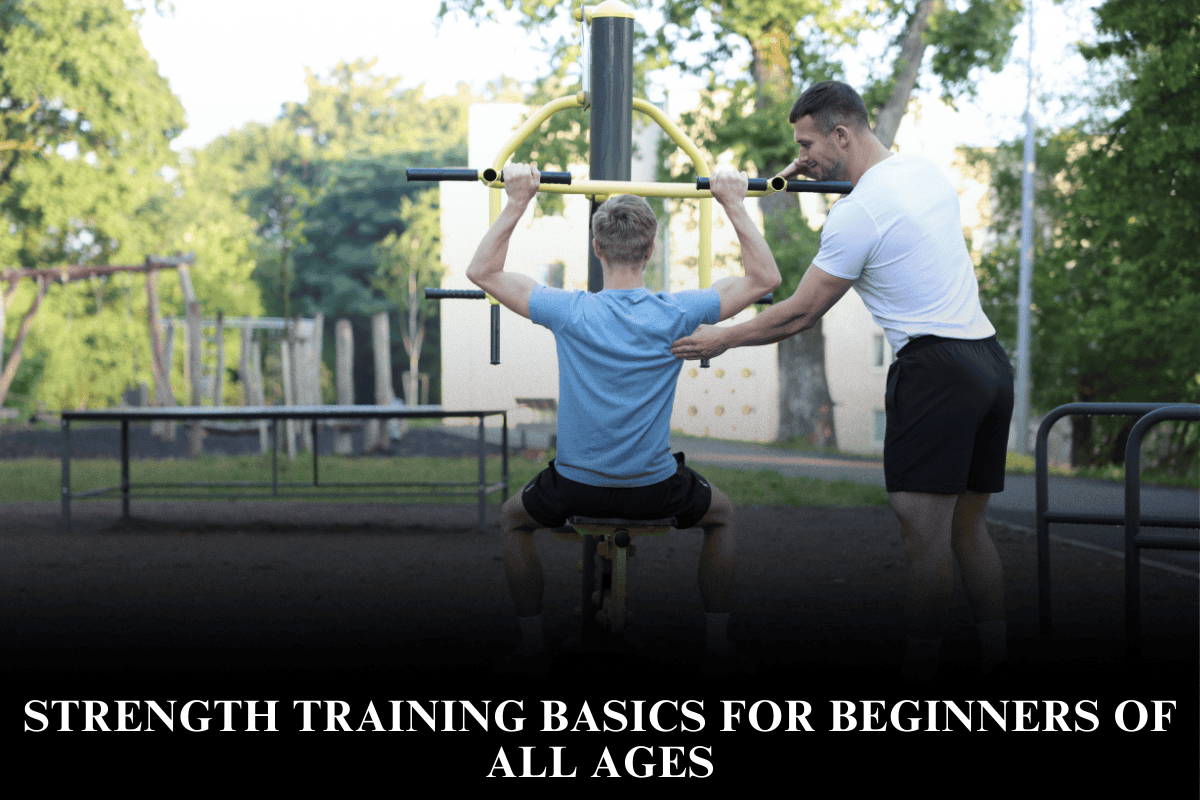
Adults aged 18-64 need at least 150 minutes of moderate-intensity aerobic activity like brisk walking or 75 minutes vigorous like running, spread across most days. Add muscle-strengthening twice weekly targeting major groups—legs, hips, back, abdomen, chest, shoulders, arms—using weights, resistance bands, or bodyweight moves. Exceeding 300 minutes weekly yields extra benefits like improved sleep and mood.
Youth and Adolescent Guidelines
Children and teens aged 6-17 require 60 minutes daily of moderate-to-vigorous activity, including vigorous efforts like soccer three days weekly plus bone-strengthening like jumping rope and muscle work like push-ups. Variety keeps engagement high, supporting growth, academic performance, and lifelong habits amid screen time rises.
Older Adult Specifics
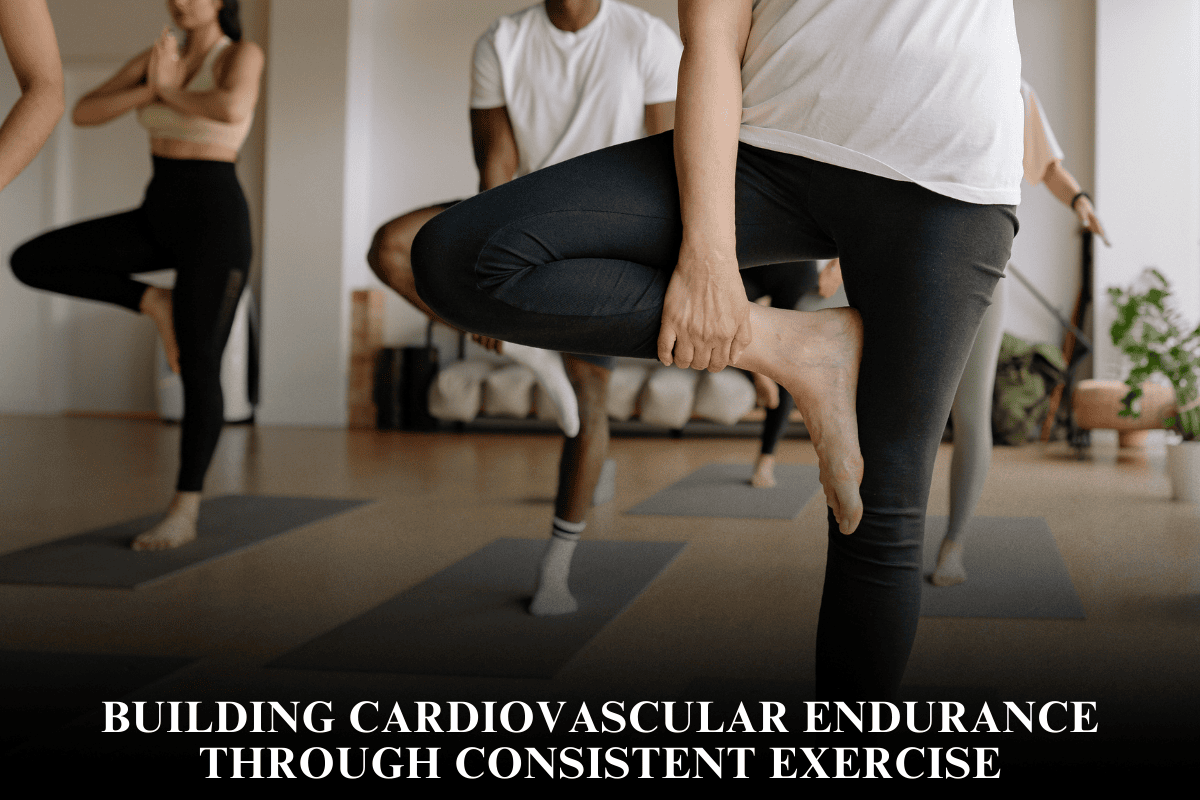
Those 65+ match adult aerobic goals but include balance training like tai chi three days weekly to prevent falls, a leading injury cause. Multicomponent activities blending aerobics, strength, and flexibility suit varying abilities, reducing arthritis pain and cognitive decline risks.
Special Populations
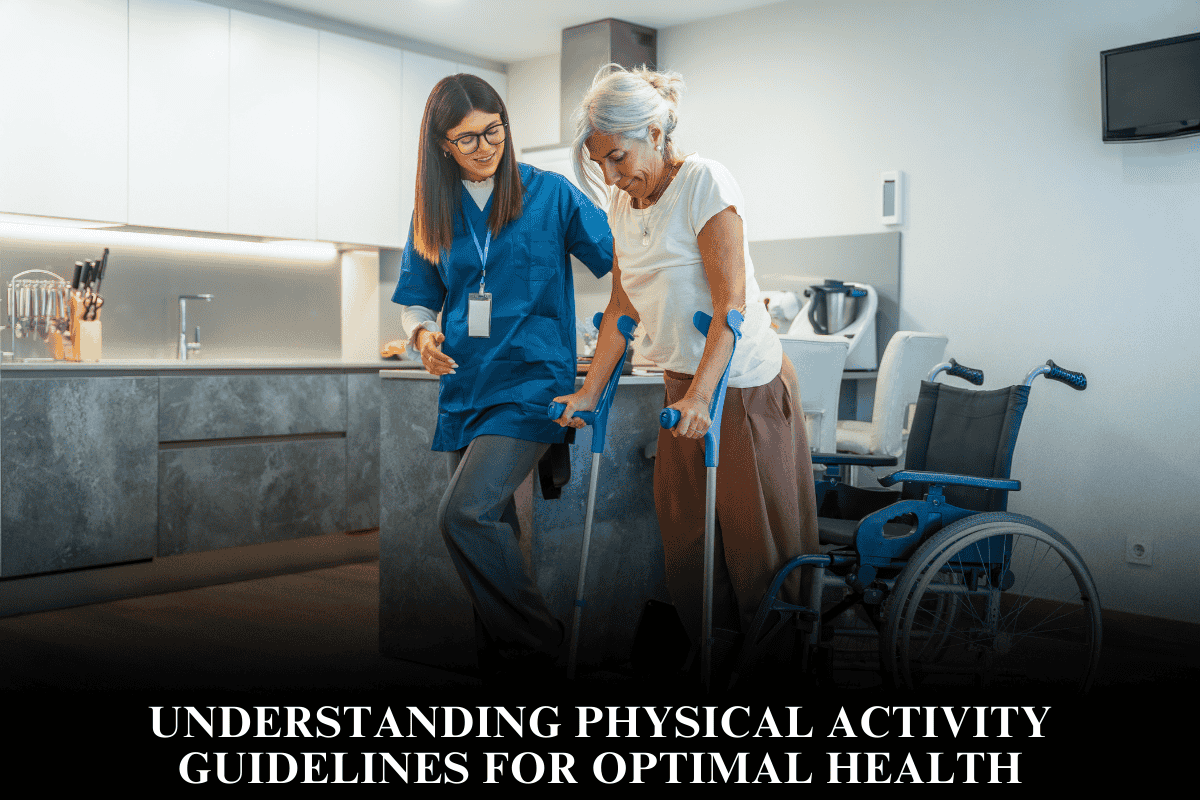
Pregnant individuals aim for 150 minutes moderate activity weekly, consulting providers for safety. Chronic condition patients or disabled adults follow core guidelines adapted to ability, gaining similar heart and weight management benefits. Even light movement offsets sedentary risks.
Benefits Breakdown
Regular activity slashes heart disease odds by 30%, controls blood sugar, strengthens bones, and releases endorphins combating depression. It enhances sleep quality, immune function, and productivity, with studies linking adherence to 3-7 year life extensions.
Implementation Strategies
Break sessions into 10-minute bursts; track via apps or pedometers aiming for 8,000 steps daily. Home workouts, workplace walks, or community classes fit busy schedules. Gradually increase intensity to avoid injury, prioritizing consistency over perfection.
FAQs
Q. How much weekly exercise for adults?
150 minutes moderate aerobic or 75 vigorous, plus 2 strength days.
Q. What counts as moderate activity?
Brisk walking, cycling, doubles tennis—able to talk but not sing.
Q. Do older adults need different guidelines?
Same aerobic/strength base, plus balance work 3 days weekly.
Q. Can sedentary people start slowly?
Yes, begin with light activity building to guidelines over weeks.
Q. Why include muscle strengthening?
Preserves metabolism, bone density, and functional independence.