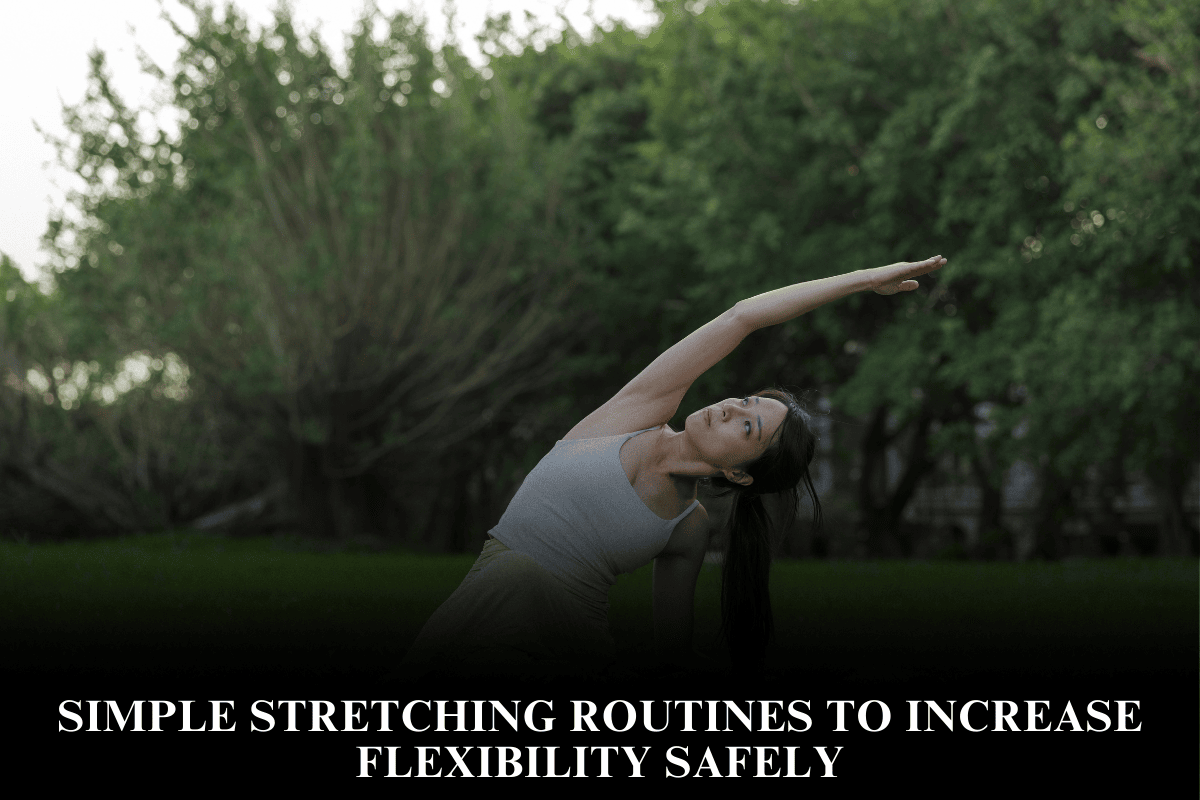
Simple stretching routines can enhance flexibility safely, reducing injury risk and improving mobility for daily activities like sports or gardening. These beginner-friendly exercises emphasize proper form, breathing, and gradual progression to avoid strains.
Warm-Up Essentials
Always start with 5-10 minutes of light movement like marching in place or arm circles to boost blood flow and prepare muscles. Dynamic stretches—gentle swings or rotations—prime joints without static holds on cold tissues. Breathe steadily; never bounce or force into pain, which signals potential harm.
Lower Body Routine
Focus on hamstrings, quads, and calves, key for walking and youth sports training.
- Seated Hamstring Stretch: Sit with legs extended, hinge at hips to reach toes, hold 20-30 seconds. Eases tight backs from sitting.
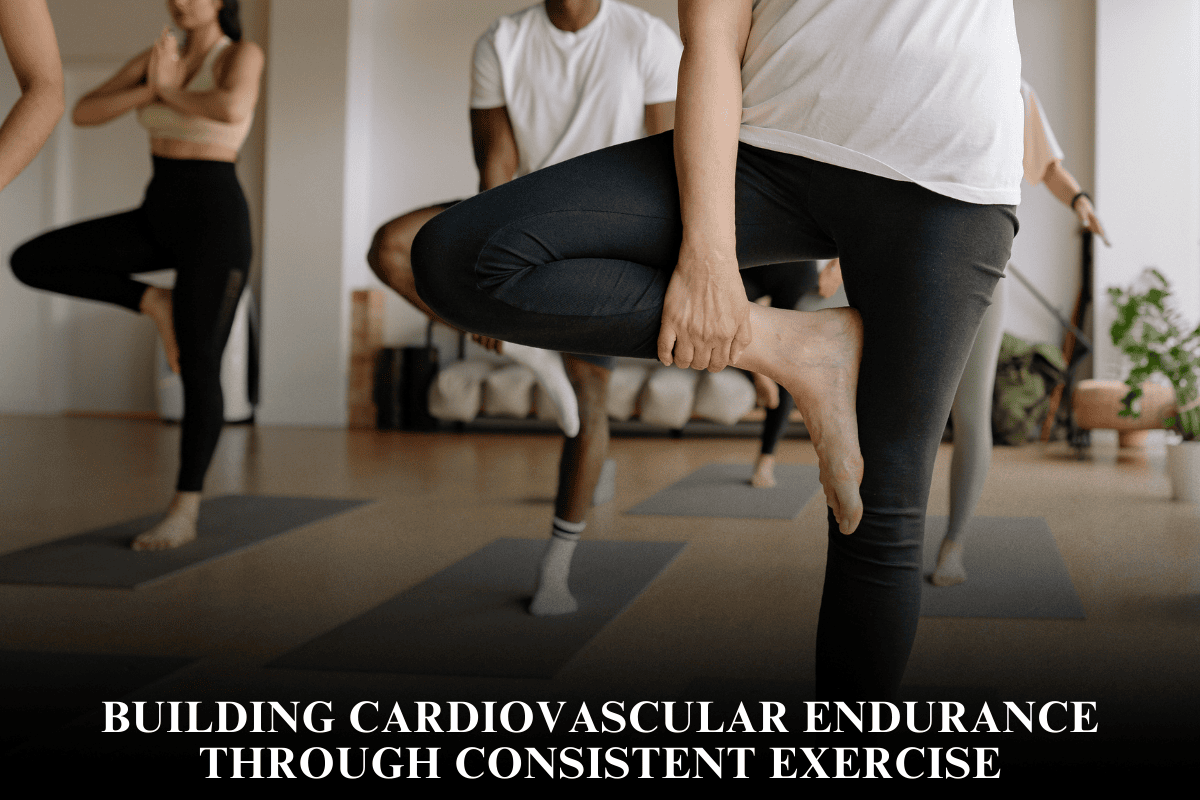
- Standing Quad Stretch: Balance on one leg, pull opposite heel to glutes, keep knees aligned. Targets front thighs.
- Calf Stretch: Face wall, one foot back with heel down, lean forward gently. Repeat both sides.
- Hip Flexor Lunge: Step forward into lunge, lower hips; add twist for spine mobility. Great for posture.
Do 2-3 sets per side, 15-30 seconds each, 3-4 days weekly.
Upper Body Sequence
Loosen shoulders, chest, and back to counter desk work or logistics stress.
- Chest Opener: Clasp hands behind back, lift arms slightly while squeezing shoulder blades. Opens tight pecs.
- Neck Tilt: Drop ear to shoulder gently, hold; repeat opposite. Relieves tension headaches.
- Seated Spinal Twist: Cross one leg over, twist torso toward bent knee, hand on opposite thigh. Improves rotation.
- Child’s Pose: Kneel, fold forward with arms extended. Stretches spine and hips safely.
Hold statically post-warm-up; progress by deepening slowly over weeks.
Full-Body Flow (10-15 Minutes)
Combine for efficiency: Start downward dog (pedal heels for calves/hamstrings), flow to low lunge (hip flexors), cat-cow (spine mobility), end supine twist. Use a strap for hamstring reach if inflexible; cushions aid knees. Ideal post-fitness or mornings for Panipat’s active lifestyles.
Safety Guidelines
Stretch to mild discomfort only—scale 1-10, stay under 5. Consult doctors for injuries or conditions like joint issues. Hydrate, stretch daily lightly or 2-4 focused sessions; consistency trumps intensity for gains in 4-8 weeks. Balance sides evenly; pair with strength for stability, like football conditioning.
Progression Tips
Week 1-2: 15-second holds. Advance to 30-60 seconds, add yoga like pigeon for glutes. Track via journal; apps remind routines. Incorporate into cooldowns after workouts or gardening breaks. Props like blocks prevent overreach; breathe deeply to relax muscles.
Benefits for Active Lifestyles
Enhanced flexibility aids injury prevention in youth sports, eases AC maintenance bends, and boosts gardening reach. Better posture reduces back pain; improved circulation supports community health efforts. Even 8-15 minutes daily yields looser joints and freer movement.
Regular practice builds resilience safely, fitting busy logistics and family schedules.
FAQs
1. How often for beginners?
Daily light stretches or 2-4 longer sessions weekly; consistency drives results.
2. Static vs. dynamic—which first?
Dynamic warm-up first; static after to avoid strains.
3. Hold times for gains?
15-30 seconds beginners, up to 60 as flexible; 2-3 reps.
4. Signs of over-stretching?
Sharp pain, not mild pull—stop and rest.
5. Best props for safety?
Straps for hamstrings, blocks for depth, mat for grip.