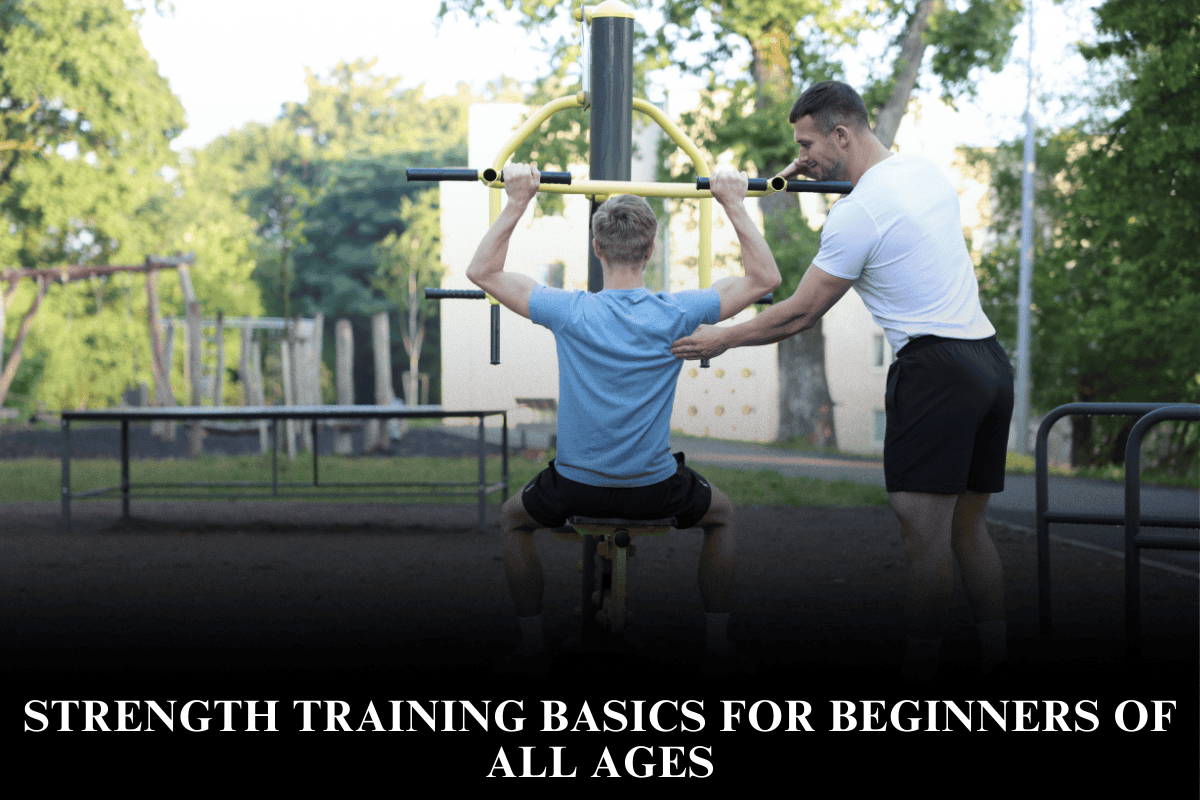
Strength training basics empower beginners of all ages to build muscle, boost metabolism, and enhance daily function with simple, progressive exercises. Safe starts focus on bodyweight moves and light weights, prioritizing form to prevent injury while reaping benefits like stronger bones and better balance.
Why Start Strength Training
It counters age-related muscle loss (sarcopenia), improves insulin sensitivity, and elevates mood via endorphins, suitable from teens to seniors. Beginners gain strength in weeks; consistent 2-3 sessions weekly yield noticeable improvements in energy and posture. Compound exercises like squats engage multiple groups for efficiency.
Essential Principles
Warm up 5-10 minutes with walking or arm circles; cool down with stretches. Use 8-12 reps per set, 2-3 sets, resting 60-90 seconds—choose weights where the last reps challenge but allow good form. Progress by adding reps, sets, or weight every 1-2 weeks; train 48 hours between same muscle groups.
Beginner Exercises
Focus on these full-body staples, modifiable for all ages:
Perform 2-3x/week, alternating upper/lower focus.
Sample Weekly Routine
- Day 1 (Full Body A): 3 sets squats, push-ups, rows (10-12 reps each), plank 20s.
- Day 2: Rest or walk.
- Day 3 (Full Body B): 3 sets bridges, lunges (per leg), overhead press, bird-dog.
- Day 4-5: Rest/active recovery (yoga).
- Day 6: Repeat A or light circuit.
- Day 7: Rest.
Total time: 20-30 minutes. Track in a notebook.
Age-Specific Adjustments
Teens/young adults: Emphasize form to build habits; add jumps for power. Adults: Balance with cardio; use free weights for metabolism. Seniors: Chair-based, slower tempos (4-count down/up); focus balance to cut fall risk by 30%. Consult doctors if joint issues; breathe out on effort.
Nutrition and Recovery
Eat protein (0.7g/lb bodyweight) like eggs, chicken, beans post-workout; stay hydrated. Sleep 7-9 hours aids repair. Signs of overdoing: persistent soreness—scale back. Pair with walking for heart health; apps track progress.
Common Mistakes to Avoid
Rushing form leads to strain—film yourself or use mirrors. Skipping warm-ups risks pulls; ego-lifting lightens loads. Consistency trumps intensity; start home-based if gyms intimidate.
FAQs
Q. How often should beginners train?
2-3 full-body sessions weekly, with rest days for recovery.
Q. What if I have no equipment?
Bodyweight works: squats, push-ups, bridges build foundational strength.
Q. Can seniors do strength training?
Yes, adapted moves like chair squats improve bone density and mobility.
Q. How heavy should weights be?
Light enough for 10-12 controlled reps; last 2-3 feel hard.
Q. When will I see results?
Strength gains in 2-4 weeks; visible changes in 4-8 with diet.