Regular physical activity offers profound advantages that extend far beyond calorie burning or scale numbers, enhancing overall vitality in ways that support long-term health. From bolstering mental resilience to fortifying bones and immunity, these benefits empower individuals across all ages and fitness levels.
Heart and Vascular Health
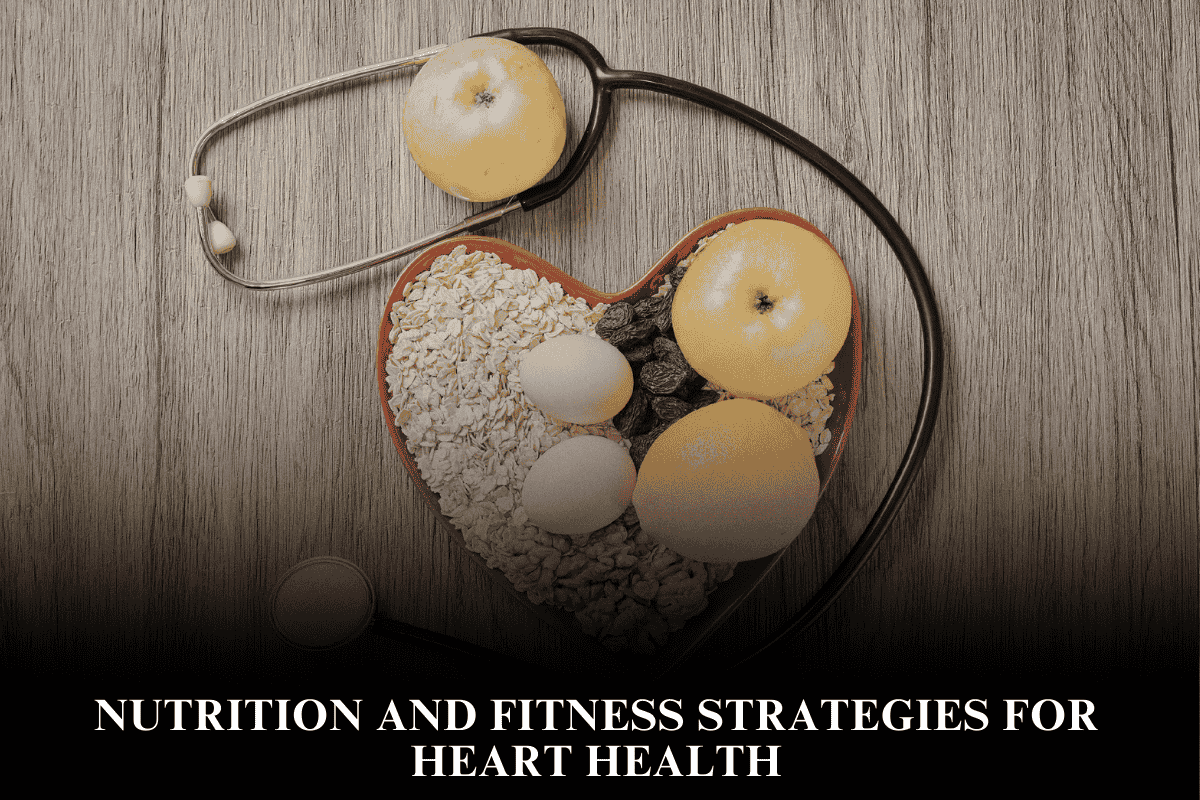
Physical activity strengthens the heart muscle, improving circulation and efficiency in pumping blood. It lowers blood pressure, reduces bad cholesterol (LDL), and elevates good cholesterol (HDL), slashing risks of heart disease, stroke, and related events by up to 30%. Aerobic exercises like brisk walking or cycling deliver these gains without requiring gym access, making them accessible for daily routines.
Mental Health Boost
Exercise triggers brain chemicals such as endorphins, serotonin, and dopamine, alleviating symptoms of depression and anxiety while fostering a sense of calm.
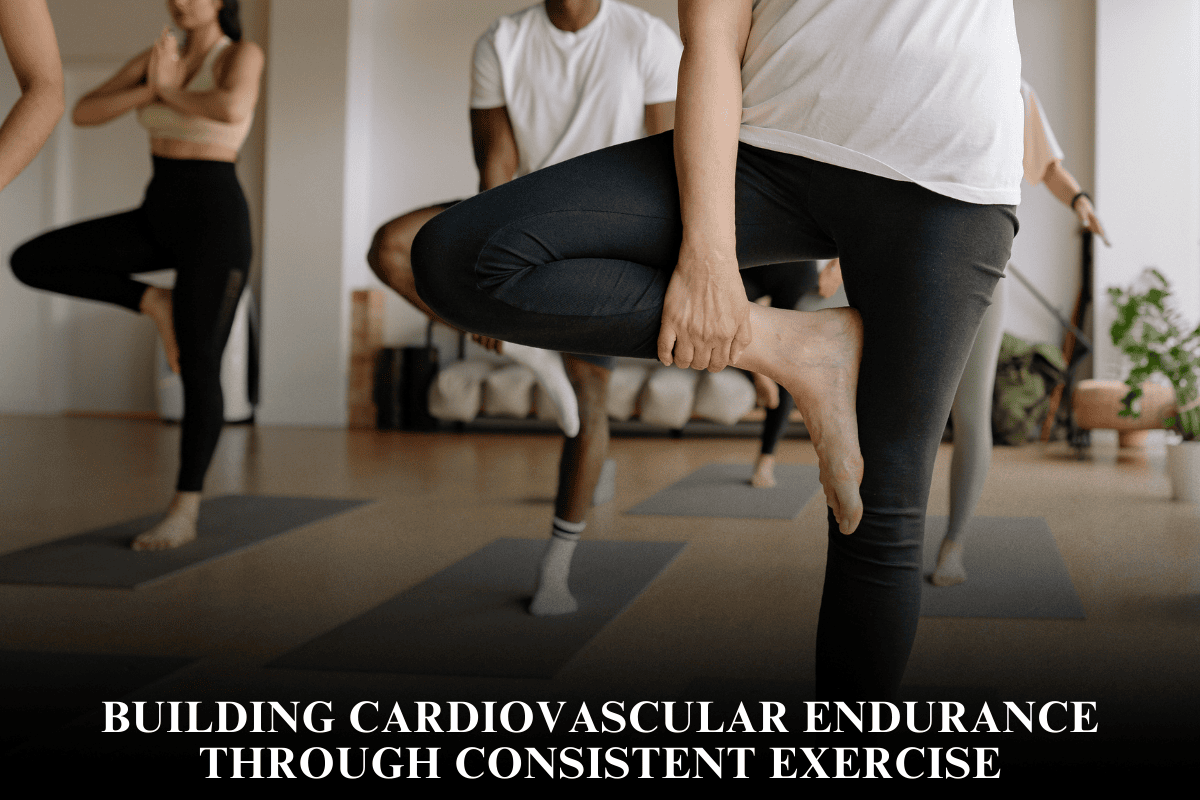
Regular movement enhances cognitive functions like memory, focus, and problem-solving, with studies showing reduced dementia risk in active adults. Group activities, such as team sports or yoga classes, add social bonds that amplify mood elevation and emotional well-being.
Bone and Muscle Strength
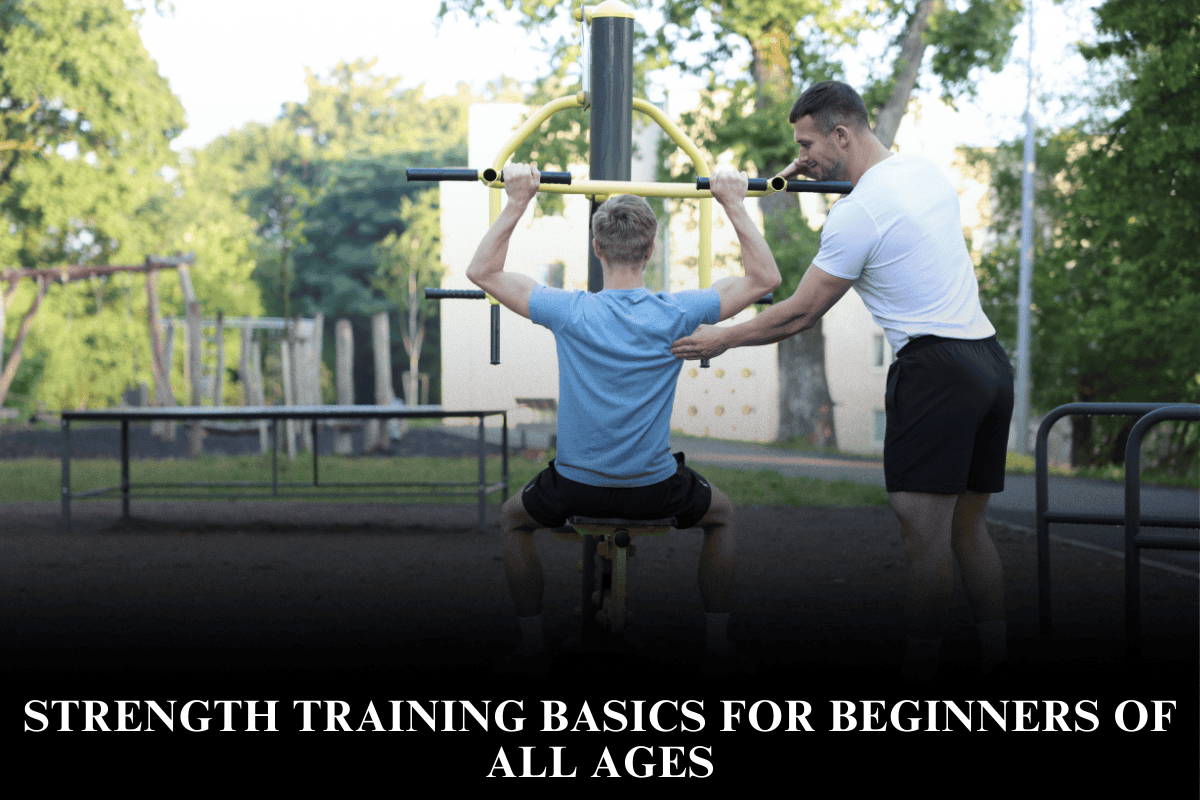
Beyond weight control, physical activity builds bone density, preventing osteoporosis and reducing fall risks, especially vital for older adults. Resistance training preserves muscle mass, counters age-related sarcopenia, and improves balance for safer mobility. Weight-bearing exercises like jogging or resistance bands yield these protections independently of body size.
Immune System Support
Moderate activity enhances immune response by decreasing chronic inflammation and boosting white blood cell circulation. Active individuals experience fewer infections and faster recovery, with benefits extending to reduced cancer mortality risks. Consistency matters—aim for 150 minutes weekly to fortify defenses without overexertion.
Better Sleep and Energy
Physical exertion regulates sleep cycles, promoting deeper rest and combating insomnia. It increases mitochondrial production in cells, converting food to fuel more effectively for sustained daily energy, countering fatigue. Evening walks or morning stretches often yield quicker sleep improvements than supplements.
Longevity and Disease Prevention
Active lifestyles correlate with longer lifespans, cutting all-cause mortality by 20-30% through protections against diabetes, certain cancers, and metabolic issues. Even without weight loss, fitness confers these advantages, proving health trumps size. Women, in particular, see amplified reductions in cardiovascular events from regular movement.
Brain Health and Cognition
Exercise promotes neuroplasticity, growing new brain cells in areas tied to learning and memory. It sharpens judgment, multitasking, and executive function while delaying cognitive decline. Activities like dancing or swimming combine fun with these neural perks.
In summary, these multifaceted benefits underscore why physical activity is a cornerstone of holistic wellness, applicable to logistics professionals balancing demanding schedules or community leaders promoting youth fitness in places like Rohtak.
Frequently Asked Questions
1. How much activity is needed for benefits beyond weight loss?
Aim for 150 minutes of moderate aerobic activity weekly, plus muscle-strengthening twice a week, per WHO guidelines.
2. Can physical activity help if I’m not trying to lose weight?
Yes, it improves heart health, mood, and longevity independently of weight changes.
3. What exercises target mental health benefits?
Brisk walking, yoga, or team sports release mood-boosting chemicals effectively.
4. Does activity strengthen immunity at any age?
Absolutely—moderate exercise reduces inflammation and infection risk for all ages.
5. How soon do non-weight benefits appear?
Many, like better mood and sleep, emerge within days; others build over weeks.