US adults benefit from clear physical activity guidelines that promote heart health, weight management, and longevity through achievable weekly targets. Issued by the CDC and American Heart Association, these standards emphasize aerobic exercise, strength training, and reducing sedentary time for optimal well-being.
Core Recommendations
Adults aged 18-64 should aim for at least 150 minutes of moderate-intensity aerobic activity weekly, like brisk walking, or 75 minutes of vigorous activity, such as running, or a mix. Spread sessions throughout the week—30 minutes daily for five days meets the aerobic goal. Add muscle-strengthening exercises targeting major groups on two or more days, using weights, resistance bands, or bodyweight moves like squats.
For extra benefits, double to 300 minutes moderate or 150 vigorous. Older adults (65+) follow the same, plus balance work like tai chi to prevent falls. These guidelines lower risks of diabetes, cancer, and depression by 20-30%.
Moderate vs. Vigorous Intensity
Moderate raises heart rate to where talking is possible but singing isn’t—think cycling or water aerobics. Vigorous limits talking to short phrases, like hiking uphill or jumping rope. Use the “talk test” or track 50-70% max heart rate (220 minus age). Even light activity offsets sitting risks; stand hourly.
Strength Training Essentials
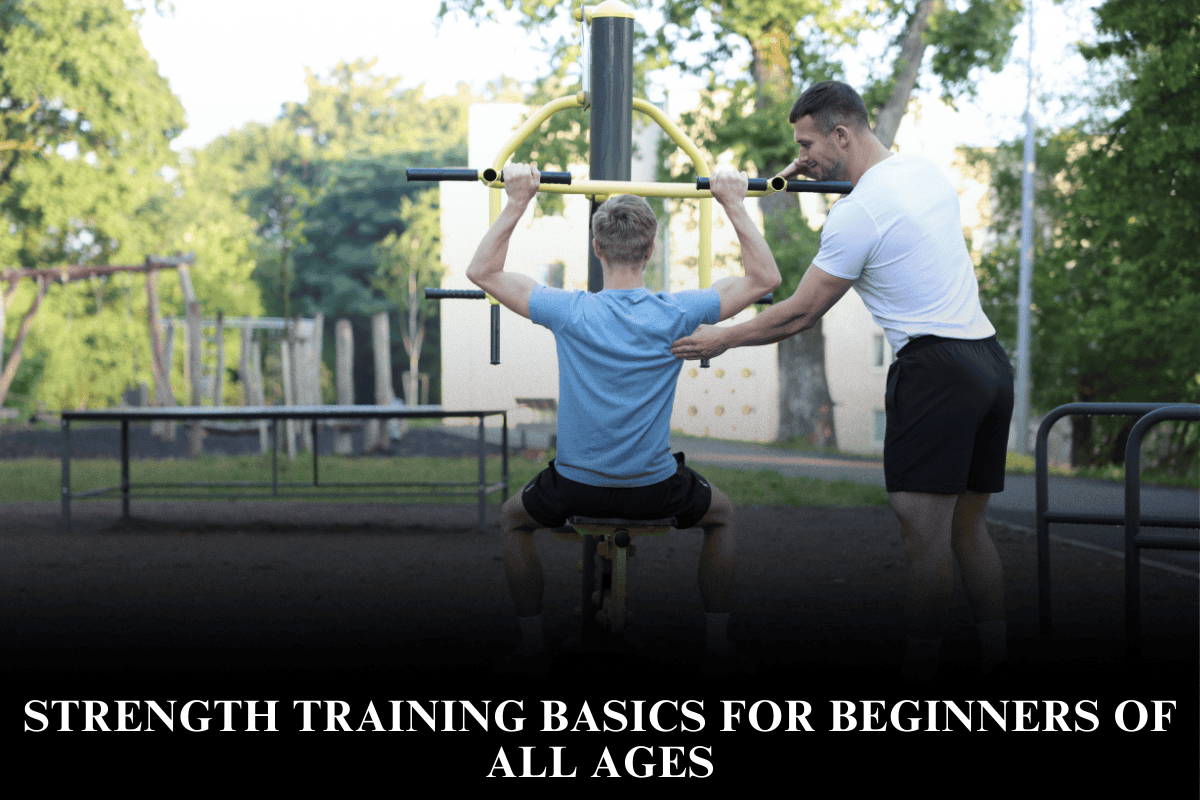
Work all major muscles—legs, hips, back, abdomen, chest, shoulders, arms—via 8-12 reps per set. Examples: push-ups, lunges, planks. No gym? Use household items. Benefits include stronger bones, better metabolism, and injury prevention.
| Activity Type | Weekly Minimum | Examples |
|---|---|---|
| Moderate Aerobic | 150 min | Brisk walk, bike ride |
| Vigorous Aerobic | 75 min | Run, swim laps |
| Strength | 2+ days | Weights, yoga poses |
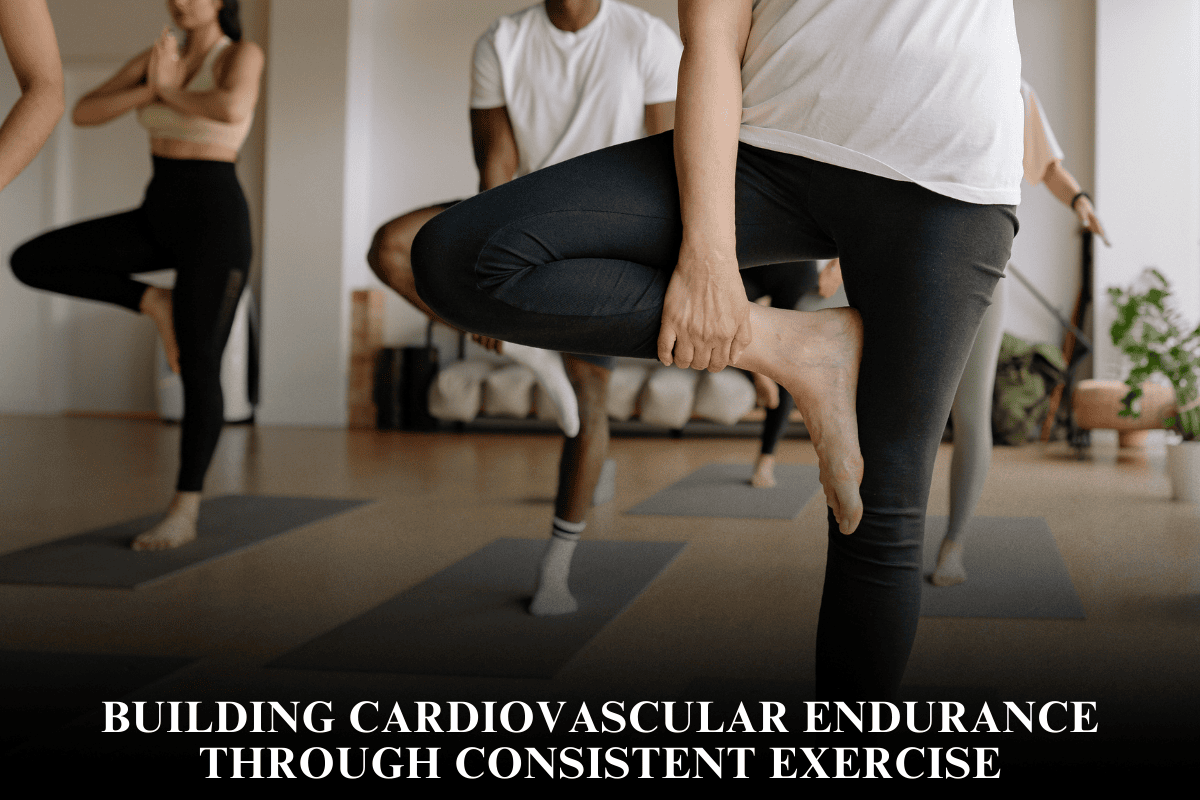
| Balance (65+) | Daily | Single-leg stands |
Barriers and Solutions
Time-crunched? Break into 10-minute bouts—evidence shows equal gains. Beginners start slow to avoid burnout; track via apps. Chronic conditions? Consult doctors, but most adapt safely. Workplace walking meetings or TV-time stretches count.
Pregnant or postpartum individuals aim for 150 minutes moderate; disabled adults customize with pros. Motivation lags? Pair with podcasts or friends for adherence boosts.
Measurable Health Gains
Meeting guidelines cuts all-cause mortality 20-40%, per massive studies. More than 150 minutes yields diminishing but positive returns, like extended lifespan. Combos of aerobic/strength amplify muscle mass and cardio fitness.
Community programs, like SilverSneakers, make it accessible. Track progress: improved stamina, mood lifts signal success.
Building Sustainable Habits
Set SMART goals: Specific, Measurable, Achievable, Relevant, Time-bound. Vary routines to prevent boredom—hike one day, dance another. Rest days aid recovery; listen to your body.
FAQs
1. What’s the weekly aerobic target?
150 min moderate or 75 min vigorous, spread out.
2. Does housework count?
Yes, if moderate intensity like vigorous cleaning.
3. Strength training frequency?
2+ non-consecutive days for recovery.
4. Over-65 adjustments?
Add balance; same aerobic/strength mins.
5. More activity benefits?
300+ min moderate doubles heart disease reduction.