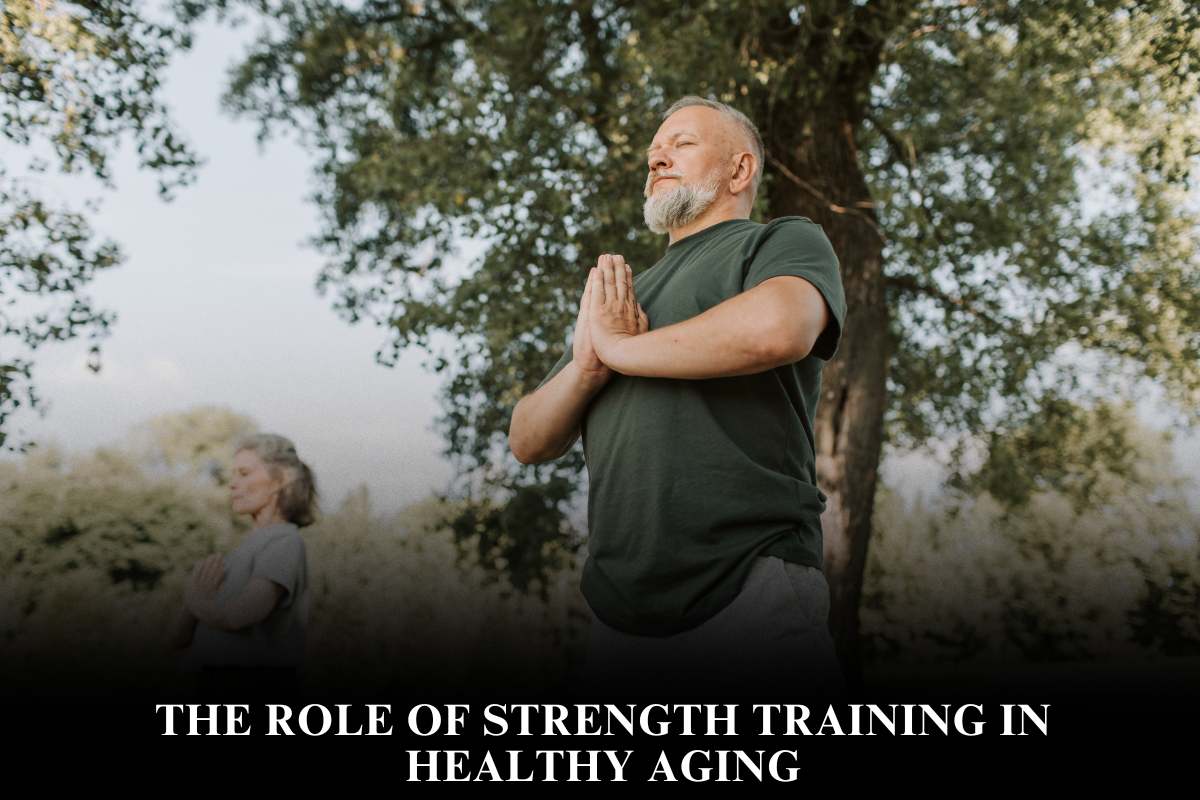
Strength training combats sarcopenia—the age-related muscle loss affecting 30-50% of adults over 70—by building muscle mass, bone density, and functional strength, per CDC and NSCA guidelines.
USA health authorities like the AHA and ACSM recommend it 2-3 days weekly for older adults, reducing fall risk by 30% and enhancing independence. Regular resistance exercise preserves mobility, cuts chronic disease burden, and boosts quality of life, with studies showing 50% strength gains in 6 months.
Understanding Sarcopenia and Muscle Decline
Sarcopenia accelerates after age 65, slashing muscle mass 3-8% yearly and grip strength, impairing daily tasks like rising from chairs. Without intervention, 76% of strength loss ties to genetics, but training reverses 50-85% via hypertrophy and neural adaptations. NIH research links it to frailty, osteoporosis, and mortality, making resistance a frontline defense.
Key Benefits Backed by USA Studies
NSCA position stands confirm heavy training (70-85% 1RM) increases maximal strength, power, and rate of force development, countering locomotor declines. It stimulates bone collagen synthesis, reducing fractures 20-30%, while improving balance and gait speed per meta-analyses. Cognitive perks include better sleep, reduced inflammation, and mood elevation; frail nursing home residents gain functionality after 12 weeks.
Official USA Guidelines for Seniors
CDC’s Growing Stronger program advises 2+ days weekly of multicomponent activity: 8-12 reps at 60-80% 1RM, progressing to heavy loads for advanced users. ACSM echoes 2-3 sessions with 1-3 sets per major muscle group, including power moves at 40-60% 1RM explosively. AHA integrates it with 150 minutes aerobic for Life’s Essential 8, safe even for arthritis or heart patients under supervision.
Getting Started Safely
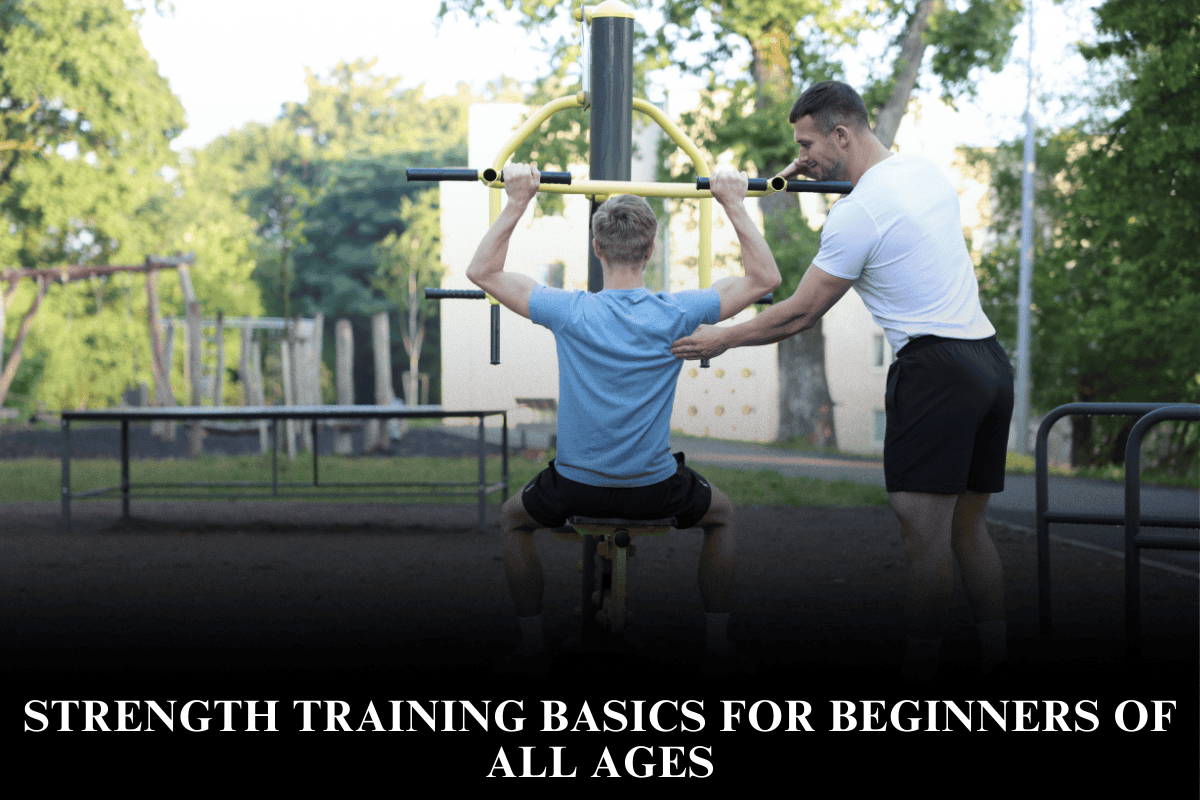
Beginners use bodyweight or light bands (20-30% 1RM, 10-15 reps); progress to machines/free weights after form mastery. Warm up 5-10 minutes, focus multijoint exercises (squats, rows), and rest 48 hours between sessions to avoid overtraining. Consult doctors pre-start, especially with conditions; trainers ensure spotting for heavy lifts.
Sample Beginner Routine
- Legs: Chair squats or leg press, 2 sets of 10-12 reps.
- Upper Body: Seated rows or wall pushups, 2 sets.
- Core: Bird-dog or bridges, 2 sets of 8-10.
Do 20-30 minutes, 2x/week; advance to 3 sets, adding deadlifts or presses. Track progress via reps or weight increases.
Advanced Training for Longevity
Periodized programs cycle intensities: heavy (6-8 reps, 80%+ 1RM) for strength, power (explosive 30-60% 1RM) for falls prevention. Task-specific moves like sit-to-stands mimic ADLs, yielding functional gains superior to generic lifts. Even modest routines (2x/week) counter chronic inflammation and extend healthy lifespan.
Overcoming Barriers
Fear of injury? Studies prove safety with instruction; start low, no failure needed. Time-crunched? Brief 20-minute sessions suffice. Home programs via NIA resources scale for all.
Long-Term Impact on Aging
Consistent training maintains independence, cuts healthcare costs 25%, and reverses frailty markers, per NSCA. Combined with diet, it optimizes body composition, delaying nursing home needs.
FAQs
1. How often should seniors strength train per USA guidelines?
2-3 days weekly, non-consecutive, with 8-12 reps at moderate loads per CDC/ACSM.
2. Is heavy lifting safe for those over 70?
Yes, with supervision; it builds strength/power superior to light reps, per NSCA studies.
3. Can it reverse sarcopenia?
Partially—12 weeks yield 5-8% strength gains, reducing severe cases 14% in trials.
4. What if I have arthritis or heart issues?
Adapt with low-impact moves; consult MD—benefits outweigh risks per AHA.
5. How soon do results appear?
Strength up 20-50% in 6-12 weeks; functionality improves faster with power focus.