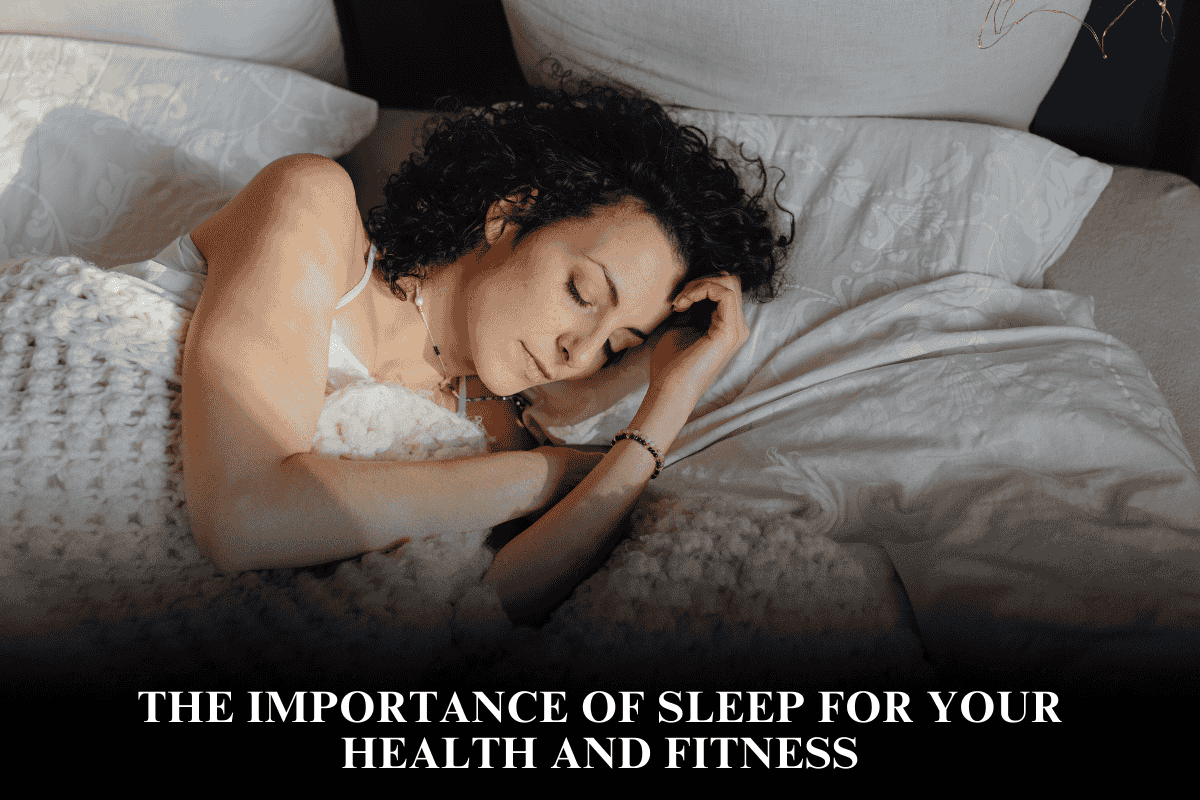
Sleep serves as a foundational pillar for health and fitness, enabling muscle repair, hormone regulation, and cognitive recovery during 7-9 hours of nightly rest for adults. It boosts energy, strengthens immunity, and supports metabolic balance, directly enhancing workout performance and recovery. Poor sleep disrupts these processes, raising risks for obesity, injury, and chronic diseases while impairing focus and mood.
Physical Health Benefits
Quality sleep lowers risks of heart disease, high blood pressure, stroke, and type 2 diabetes by regulating blood pressure, inflammation, and insulin sensitivity. It promotes healthy weight management by balancing appetite hormones like ghrelin and leptin, reducing cravings for unhealthy foods. Consistent rest also combats low-grade inflammation linked to chronic conditions.
Fitness and Recovery Advantages
During deep non-REM sleep, the body releases human growth hormone for muscle repair, tissue regeneration, and cell growth after workouts. Athletes gain improved endurance, reaction time, power, and reduced overtraining injury risk with adequate sleep. It enhances motivation to exercise and fine motor skills, maximizing training gains.
Mental and Cognitive Gains
Sleep clears brain waste, consolidates memories, and sharpens focus, learning, and problem-solving for better daily performance. It stabilizes mood, cuts stress via cortisol regulation, and lowers anxiety or irritability risks. Enhanced attention and judgment from restful nights prevent errors in work, school, or sports.
Immune and Overall Wellness Support
Rest bolsters immune cells to fight infections, making sleep-deprived individuals more prone to colds and slower vaccine responses. It reduces accident risks like motor vehicle crashes by improving alertness. Long-term, sleep integrates with diet and exercise as one of three wellness pillars for sustained vitality.
Tips to Optimize Sleep for Health
Maintain a consistent schedule, dim lights before bed, and limit screens to preserve melatonin. Cool, dark rooms aid deep sleep stages crucial for recovery. Avoid caffeine late and prioritize sleep over late workouts if fatigued.
FAQs
How much sleep do adults need?
7-9 hours nightly supports health, fitness recovery, and cognitive function.
Does sleep directly improve workouts?
Yes, it boosts muscle growth, endurance, and injury prevention via hormone release.
What happens with chronic sleep loss?
Increased obesity, diabetes, heart disease risks, plus weakened immunity and focus.
Can better sleep aid weight loss?
It regulates hunger hormones, reduces cravings, and sustains exercise motivation.
Why prioritize sleep over extra training?
Recovery during sleep prevents overtraining and maximizes fitness gains.