Stretching exercises enhance flexibility, reduce injury risk, and alleviate daily tension for Americans of all ages, aligning with CDC recommendations for adults to incorporate mobility work into routines amid sedentary lifestyles affecting 25% of the population.
Performed daily for 5-10 minutes, these dynamic and static holds improve joint range, posture, and circulation, countering desk-bound habits that shorten hip flexors and tighten shoulders. Backed by American College of Sports Medicine guidelines, consistency yields better athletic performance and chronic pain relief without equipment.
Essential Full-Body Routine
Begin with neck rolls: tilt head side-to-side, forward-back, and circles (5 each way) to release upper trapezius strain from phone use. Follow with shoulder shrugs and rolls: lift shoulders to ears, squeeze back, roll forward/back 10 times for rotator cuff mobility.
Cat-cow pose on all fours arches and rounds the spine 10 breaths, lubricating vertebrae for desk workers. Child’s pose kneels forward, arms extended, holding 30 seconds to stretch back extensors and decompress spine—ideal for lower back relief.
Lower Body Focus
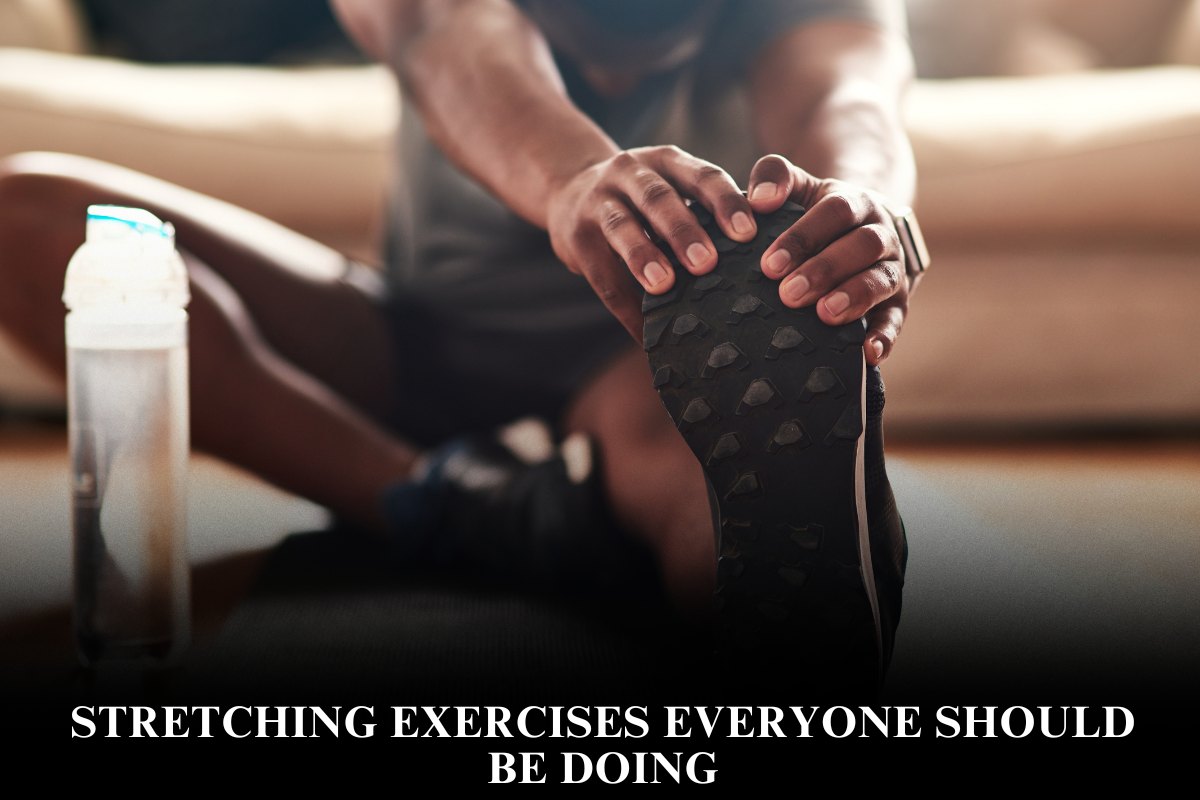
Standing quad stretch pulls one heel to glute, knee pointing down, holding 20-30 seconds per leg to counteract tight quads from running or sitting. Forward fold from hips touches toes (or shins), knees soft, for hamstrings—breathe deeply to deepen release.
Pigeon pose advances this: right shin across left thigh in lunge, fold forward 1 minute per side, targeting hips and glutes where 80% of adults hold stress per physical therapy data. Calf wall stretch presses heel down against wall, leg straight, for Achilles flexibility essential in walking.
Upper Body and Core Essentials
Doorway chest opener places forearms on frame, steps forward gently for pec stretch, countering rounded shoulders from screens. Thread-the-needle twists right shoulder under left arm on floor, head down, 30 seconds to open thoracic spine.
Seated spinal twist crosses right leg over left, hooks elbow outside knee, looks back 20 seconds each way for rotational mobility and digestion aid. Cobra pose lies prone, lifts chest with hands under shoulders, holding 20 seconds to strengthen and lengthen abs/back.
Daily Integration Tips
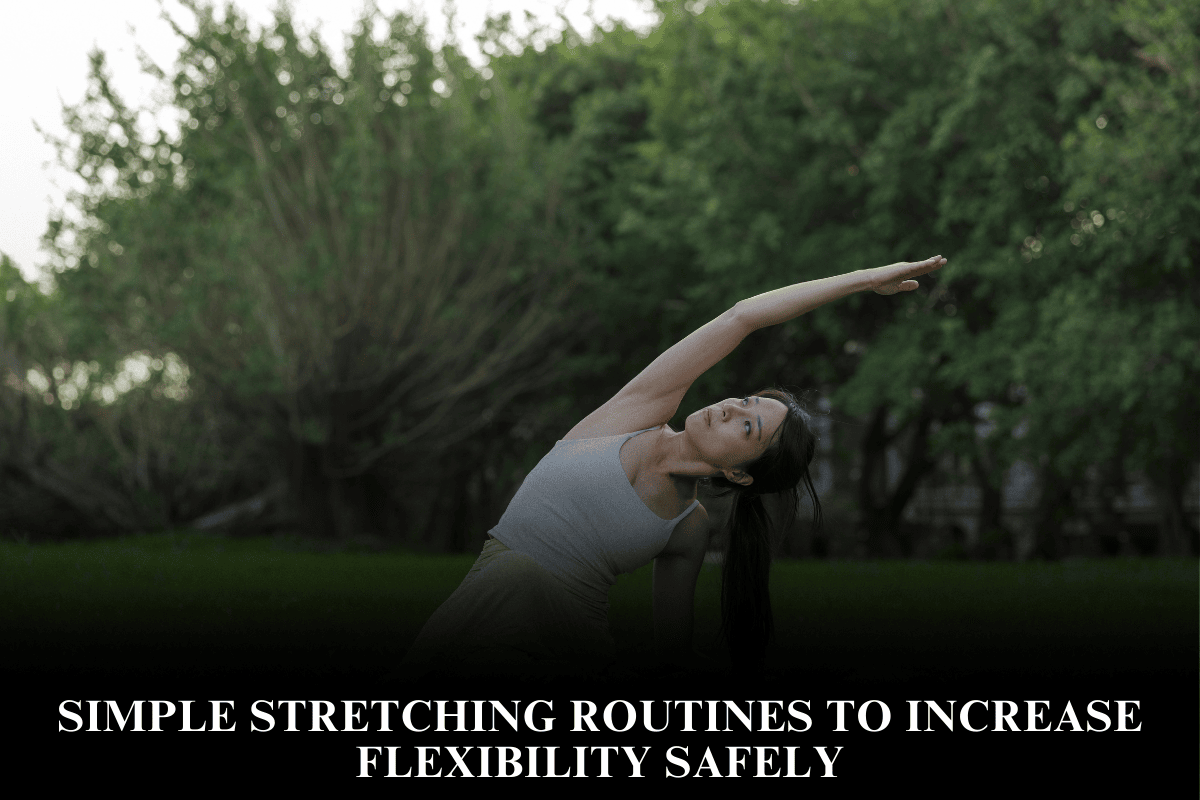
Warm up first with 5-minute walk to boost blood flow, avoiding cold stretches that strain muscles. Hold static stretches 20-60 seconds, 2-4 times per side; dynamic like leg swings prep workouts. Morning routine combats overnight stiffness; evening unwinds for sleep.
Pair with strength: stretch after resistance training when muscles are pliable. Track progress via reach tests (e.g., toe-touch distance) monthly. Modify for ages—chairs for seniors, props like straps for beginners—per NIH mobility guidelines.
Benefits and Precautions
Regular stretching lowers blood pressure 5-10 mmHg, eases arthritis, and boosts mood via endorphins, with studies showing 20% injury drop in runners. Breathe steadily; never bounce (ballistic stretching risks tears). Consult doctors for conditions like osteoporosis—avoid deep forward bends.
Lifelong practice sustains independence, as flexible adults age better per AARP reports.
FAQs
Q. How often should everyone stretch?
Daily 10 minutes, or post-workout/static holds 2-3x weekly per ACSM for optimal flexibility gains.
Q. What’s the difference between static and dynamic stretching?
Static holds post-activity for lengthening; dynamic swings/circles pre-warmup for range without strain.
Q. Can stretching help desk job back pain?
Yes, cat-cow and child’s pose release 70% of common tension; combine with standing hourly.
Q. Is it safe for seniors or beginners?
Absolutely—use chair versions, hold gently 15 seconds; progress slowly to build tolerance.
Q. When to see a professional for tight muscles?
If pain persists beyond mild soreness or limits daily tasks; PT assesses imbalances.