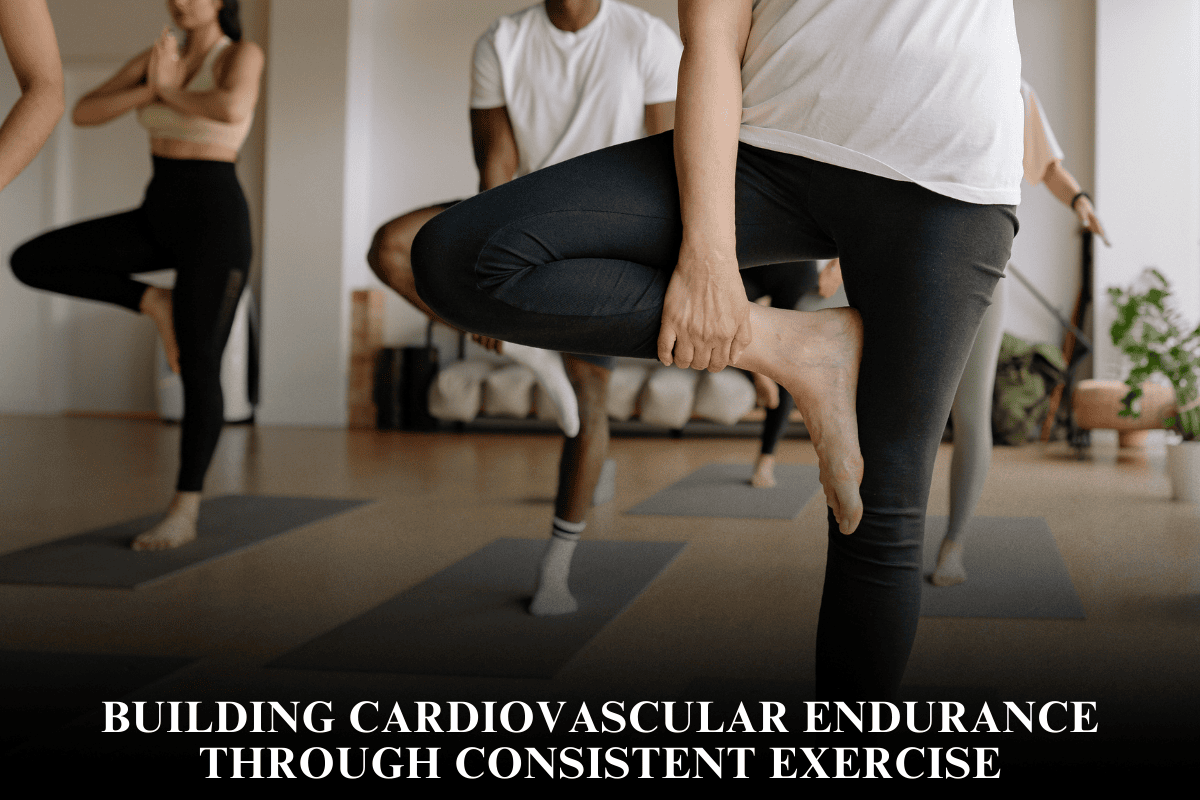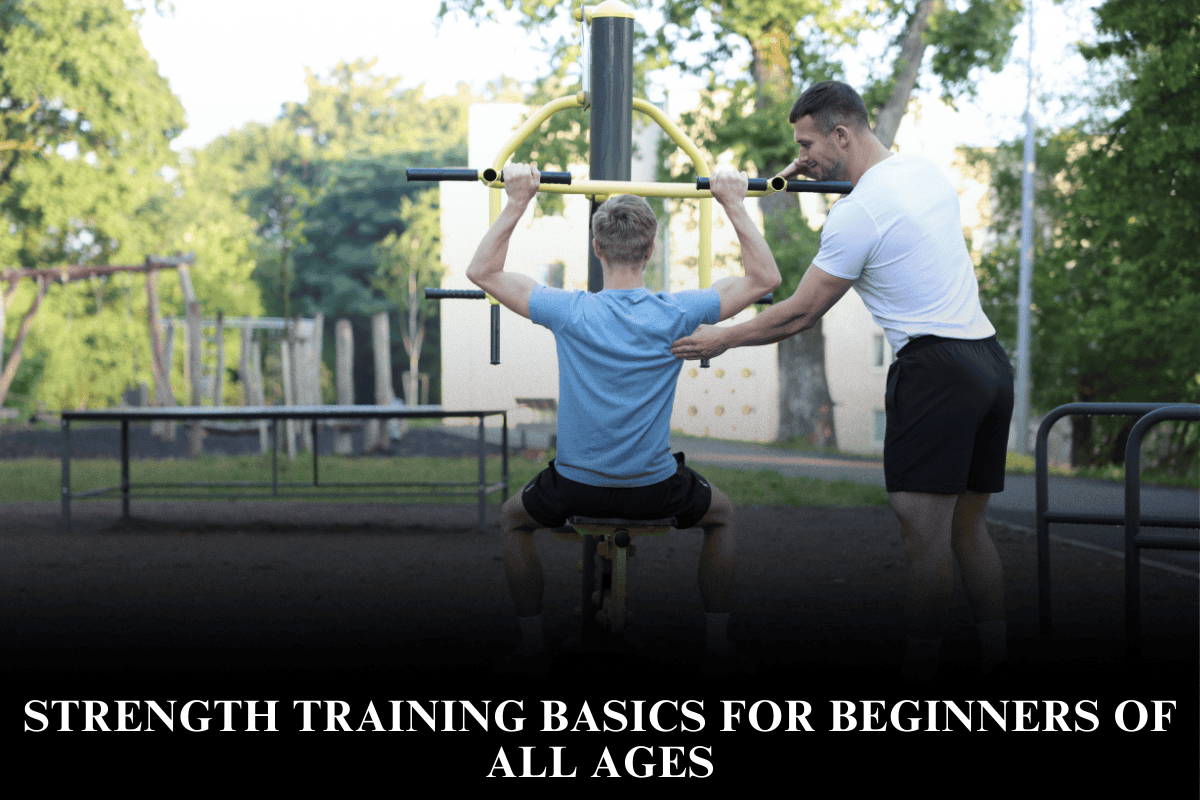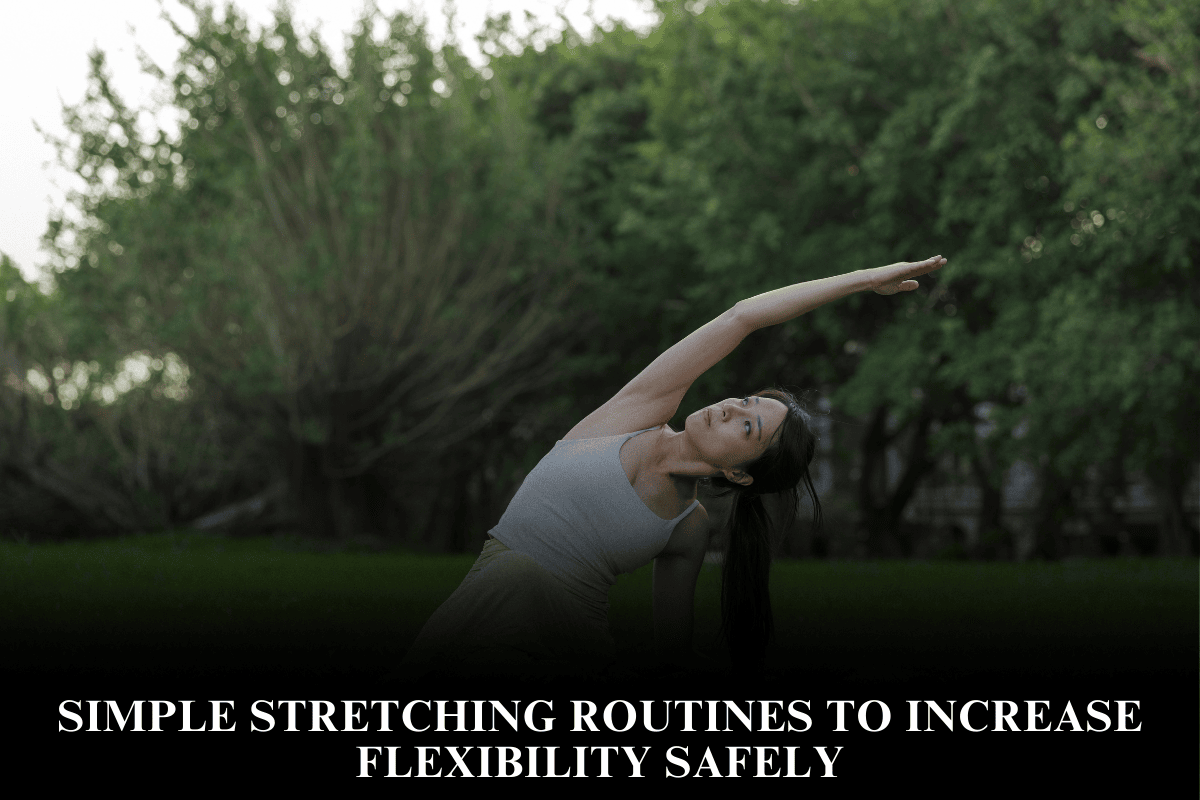
Staying physically active boosts heart health, mood, and longevity, but improper techniques or overexertion cause 8.6 million U.S. sports injuries yearly, sidelining millions. Proven strategies like warm-ups, progressive training, and gear checks let Americans meet CDC guidelines—150 minutes moderate or 75 minutes vigorous weekly—without setbacks.
Understanding Injury Risks
Overuse (33% of cases), falls, strains, and collisions dominate, hitting runners, gym-goers, and team sports players hardest. Adults 65+ face 1-in-4 fall risk yearly; youth sports see 3.5 million ER visits. Risk spikes without prep: cold muscles tear easier, poor shoes misalign joints, and sudden intensity jumps overload tendons.
Core Prevention Strategies
- Warm-Up Properly. Start with 5-10 minutes dynamic moves—arm circles, leg swings, light jogging—to raise heart rate and lubricate joints. Static stretches post-workout prevent stiffness.
- Progress Gradually. Follow the 10% rule: increase volume/intensity by no more than 10% weekly. Beginners build from 3 sessions to avoid shin splints or IT band issues.
- Strengthen Support Muscles. Add 2x weekly resistance: planks for core stability, squats for knees, rows for shoulders. Balanced strength cuts ACL tears 50% in women.
- Choose Proper Gear. Supportive shoes (replace every 300-500 miles), helmets for cycling, wrist guards for skating. Custom orthotics help flat feet.
- Hydrate and Recover. Drink 16-32 oz water hourly during activity; sleep 7-9 hours. Foam roll and rest days allow tissue repair.
Activity-Specific Tips
Tailor to age: kids emphasize fun drills; seniors add balance work like tai chi.
Common Myths Busted
“Myth: Pain is weakness leaving.” No—acute pain signals stop; ice and rest first. “Myth: Stretch before activity.” Dynamics over statics pre-workout. “Myth: More is always better.” Overtraining syndrome drops immunity, raises injury 2x.
Role of Guidelines
HHS Physical Activity Guidelines (2nd ed.) prescribe 150+ minutes moderate aerobic, muscle-strengthening 2+ days, plus balance for older adults—structured to minimize harm while maximizing gains like 30% lower chronic disease risk. Apps track adherence safely.
Recovery and When to Stop
RICE (Rest, Ice, Compression, Elevation) for acute injuries; see MD for swelling, instability, or pain lasting 3+ days. Cross-train (swim if knee hurts) maintains fitness. Mental reset: active recovery walks beat total rest.
Community and Policy Support
Parks with safe trails, school PE mandates, and employer wellness cut community injuries 20%. Trump’s 2025 fitness push funds playground upgrades, aligning activity with injury-proof designs.
FAQs
1. Beginners: Start slow?
Yes—3×20-minute walks weekly, add 5 minutes/session. Consult doc if 45+, overweight, or chronic conditions.
2. Signs of overtraining?
Persistent fatigue, mood dips, stalled progress, frequent colds—deload 50% volume 1 week.
3. Home workout safe?
Yes—bodyweight circuits on yoga mats; clear 6×6 ft space, avoid slick floors.
4. Kids in sports: Injury-proof?
Multisport seasons, 1 rest day/week, growth-plate awareness; limit single-sport to <8 months/year.
5. Seniors: Fall prevention?
Balance exercises (single-leg stands), Vit D (600-800 IU), home hazard audits—cuts falls 25-50%.