Preventing injuries while exercising keeps you active longer and supports overall health goals. Proper preparation, technique, and recovery strategies reduce risks like strains and sprains common in US fitness routines. This guide offers evidence-based steps for safe workouts tailored to beginners and seasoned athletes.
Warm-Up Essentials
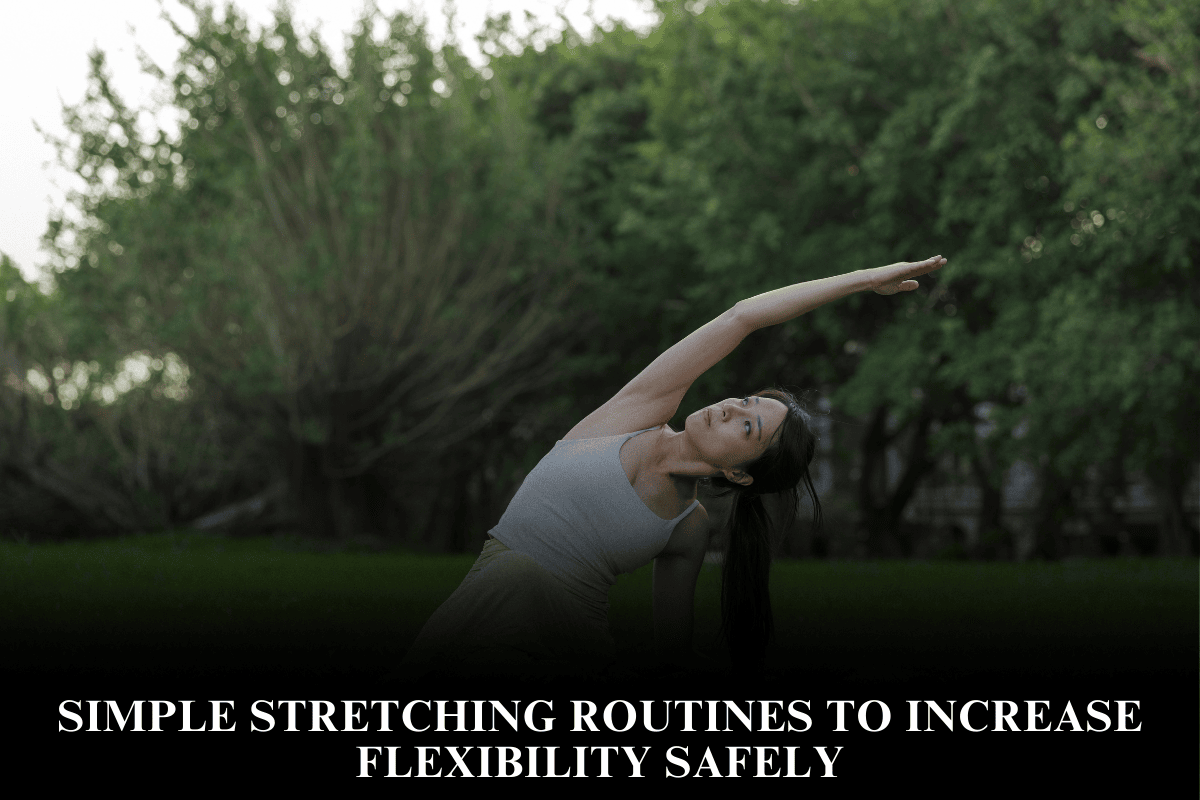
Dynamic warm-ups increase blood flow and joint mobility, cutting injury risk by up to 30% according to fitness studies. Spend 5-10 minutes on light cardio like marching in place or arm circles, followed by sport-specific moves such as leg swings for runners. Skip static stretches pre-workout; save them for cool-downs to avoid muscle pulls, and always hydrate to prevent dehydration-related cramps.
Proper Technique and Form
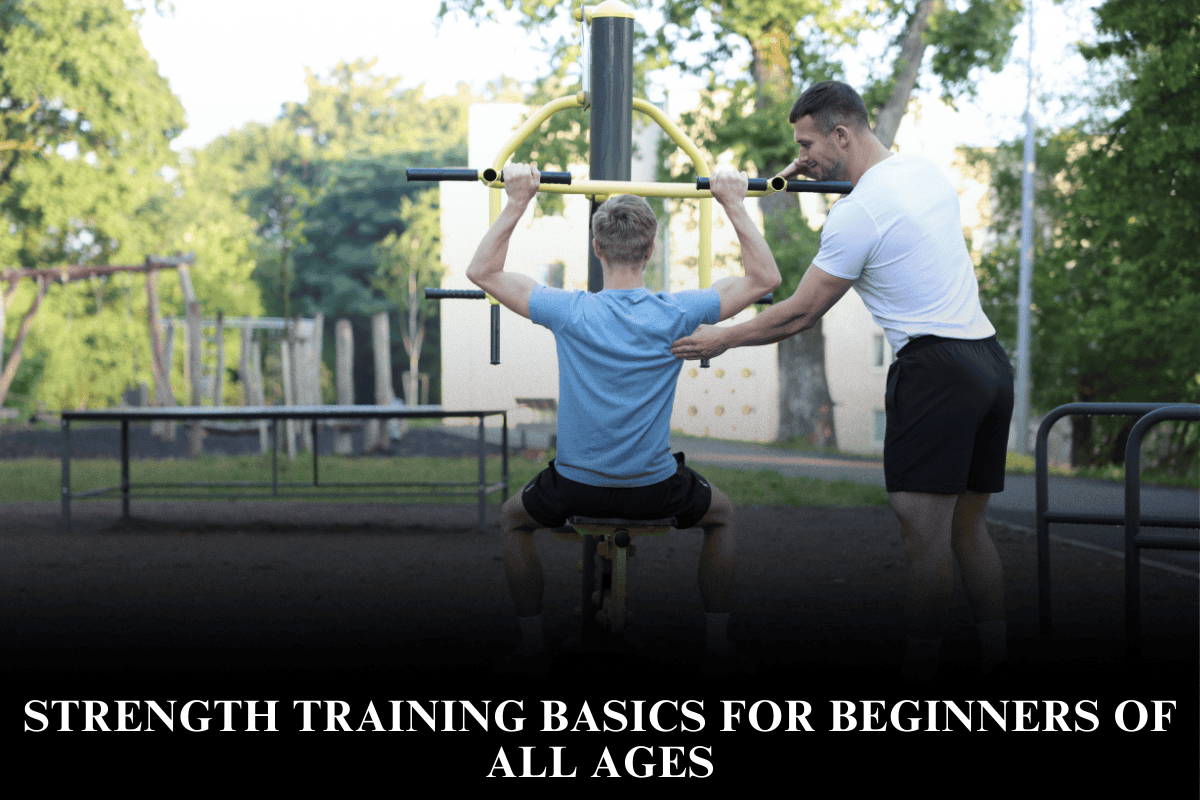
Poor form causes over 40% of gym injuries, especially in shoulders and knees during lifts or cardio. Learn basics through apps, trainers, or videos—keep back straight in squats, engage core always, and align knees over toes in lunges. Progress gradually: add 10% intensity weekly max, prioritizing control over speed or weight to build strength safely.
Gear and Equipment Check
Ill-fitting shoes or gear lead to 25% of running injuries like shin splints. Choose activity-specific footwear—cushioned for pavement runs, stable for weightlifting—and replace every 300-500 miles. Use supportive braces if prone to joint issues, ensure machines adjust to your height, and inspect for wear to maintain stability.
Strength and Cross-Training
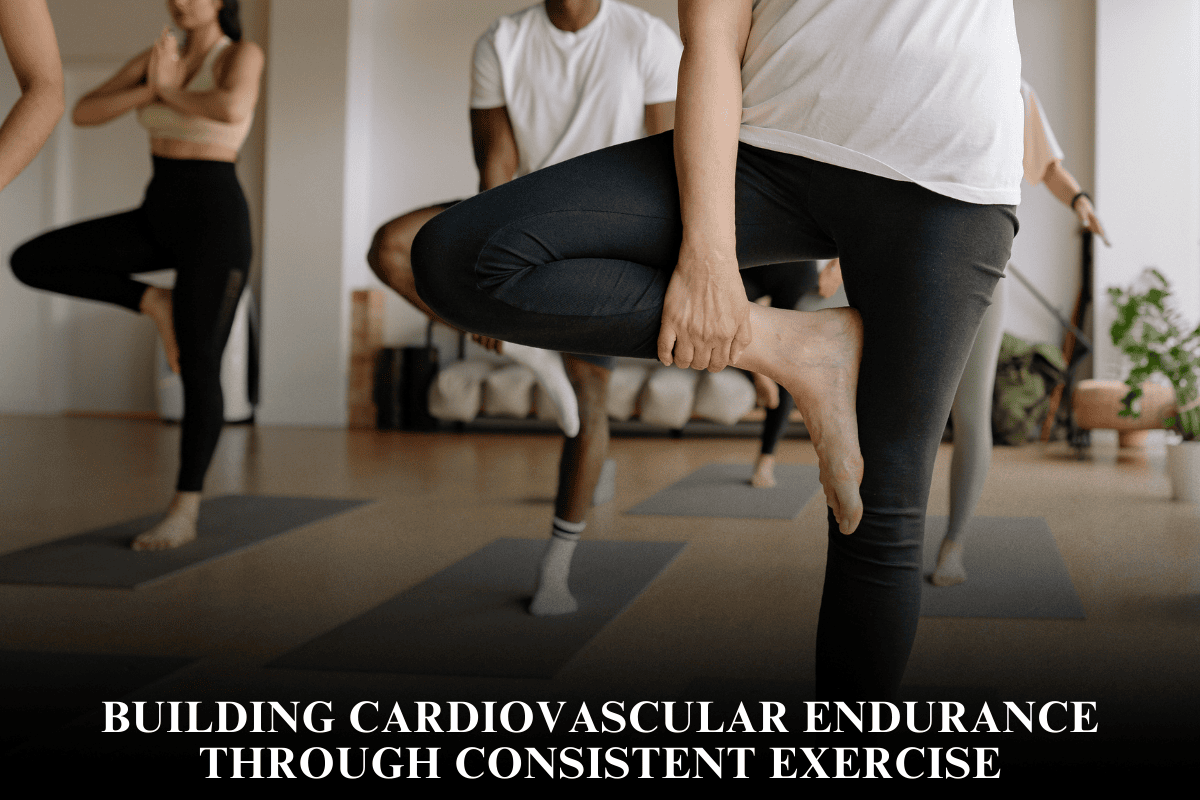
Overuse injuries from repetitive motion affect runners and gym-goers; cross-train to rest muscle groups. Alternate running with cycling or yoga 2-3 days weekly, and incorporate full-body strength like planks or rows twice a week for core stability. Balance training with single-leg stands prevents ankle twists, vital for sports like hiking or basketball.
Recovery and Listening to Body
Rest days allow tissue repair; aim for 1-2 per week plus 7-9 hours sleep nightly. Ice sore areas post-workout, foam roll for flexibility, and stop if pain sharpens—dull ache signals adaptation, but ignore rest at your peril. Track workouts in journals to spot patterns, and consult pros for persistent issues common in high-impact US activities.
Common Injury Red Flags
Watch for shin splints from hard surfaces, treat with rest and better shoes; shoulder strains from overhead presses need form tweaks. Knee pain in squats often ties to weak hips—strengthen glutes first. Early intervention via RICE (Rest, Ice, Compression, Elevation) averts downtime.
FAQs
1. How long should warm-ups last?
5-10 minutes of dynamic moves to prep muscles without fatigue.
2. When to replace workout shoes?
Every 300-500 miles or if cushioning flattens.
3. What’s the 10% rule?
Increase volume or intensity by no more than 10% weekly.
4. How often cross-train?
2-3 days weekly to avoid overuse.
5. Signs to stop exercising?
Sharp pain, swelling, or dizziness—rest immediately.