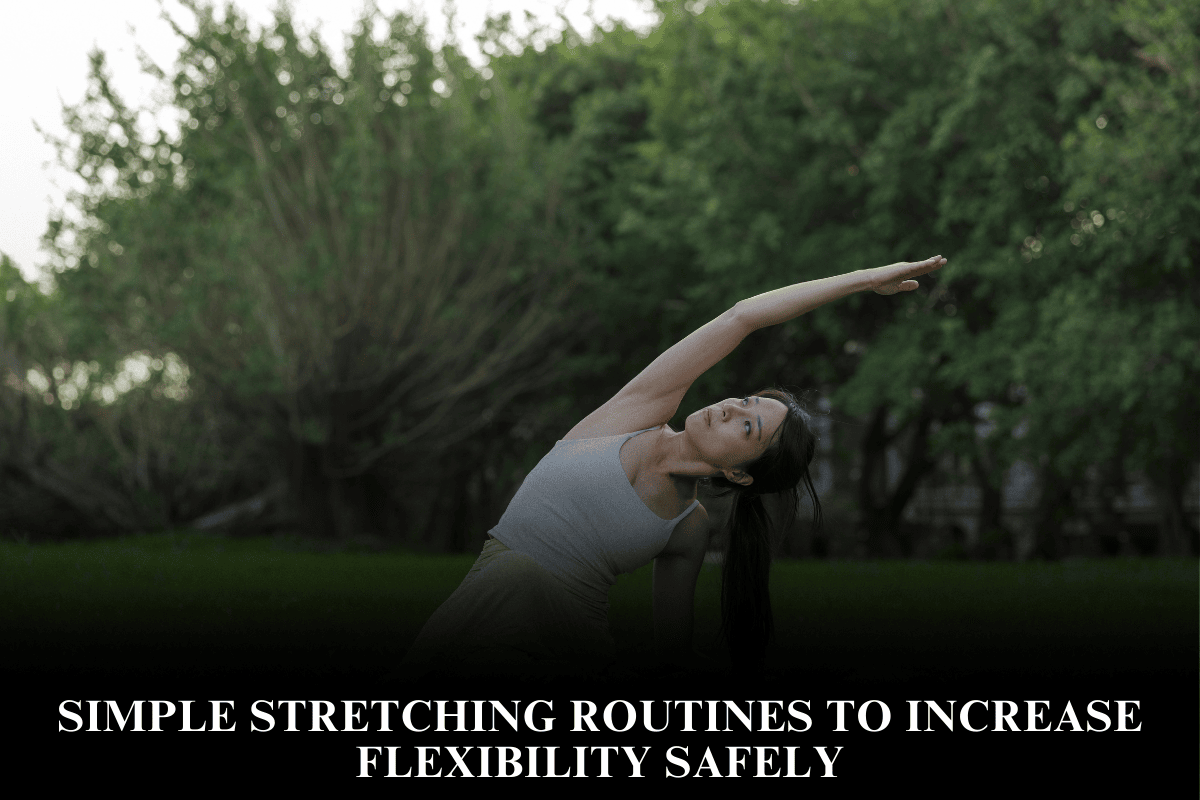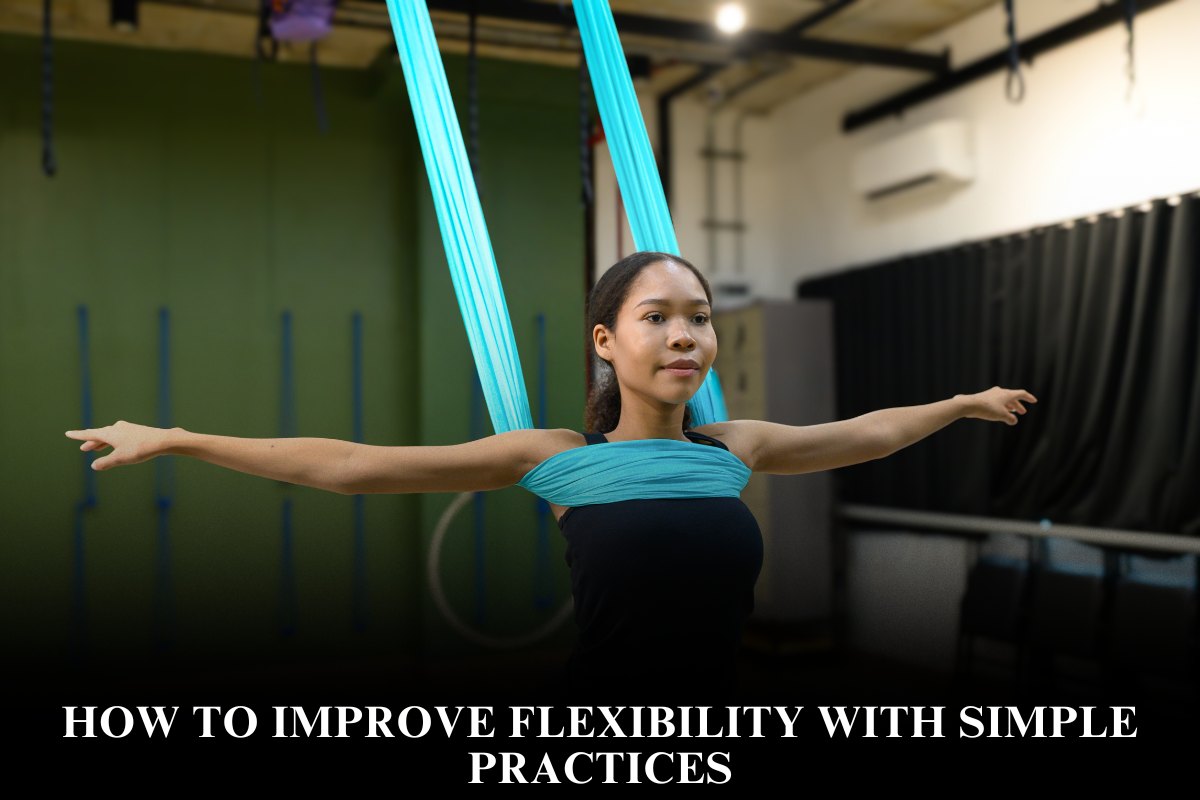
In the United States, improving flexibility through simple daily practices enhances mobility, reduces injury risk, and supports overall wellness, as recommended by the American College of Sports Medicine (ACSM) for adults aiming for 2-3 sessions weekly of 10-30 seconds per stretch.
These beginner-friendly routines counter sedentary lifestyles affecting 80% of Americans, boosting joint health without equipment. Consistency yields 20-30% range gains in 4-6 weeks, per Mayo Clinic guidelines.
Why Flexibility Matters
Flexibility maintains posture, eases daily tasks like bending, and prevents back pain common in 60% of U.S. adults over 40. ACSM links it to better balance, fall prevention in seniors, and athletic performance; tight hips/hamstrings from desk jobs escalate strains. Simple static stretches post-warmup improve circulation, mimicking yoga’s benefits without classes.
Essential Beginner Stretches
Focus on major groups: hamstrings, quads, hips, chest, back. Hold 20-30 seconds, 2-4 reps/side, breathing deeply—no bouncing.
Hamstring Stretch: Lie near wall, heel up, knee micro-bent; scoot closer for intensity. Targets back thigh tension.
Quad Stretch: Stand, pull heel to glute, knees aligned; use wall for balance.
Hip Flexor Lunge: Kneel one knee, lunge forward, tuck pelvis—key for desk workers.
Chest Opener: Doorway forearms, lean forward—counters slouching.
Seated Spinal Twist: Legs crossed, twist gently—releases back tension.
Perform sequence 10-15 minutes daily; dynamic arm circles/leg swings warmup.
Daily Routine Structure
- Warmup (3-5 min): March in place, arm swings.
- Static Phase (10 min): Above stretches, full body.
- Cool-Down: Child’s pose, deep breaths.
- ACSM: Post-exercise when warm; morning loosens overnight stiffness. Track progress via toe-touch distance.
Progression and Common Mistakes
Start gentle, increase hold time; yoga blocks/chair aid beginners. Avoid: pain (vs. discomfort), cold stretching, forcing symmetry. NASM warns imbalances cause injury—alternate sides evenly.
Tools and Accessibility
No gear needed; free apps (Down Dog), YouTube (15-min routines), or mats optional. Seniors/PCP-cleared adapt seated versions; pregnancy modifies supine stretches.
Benefits Timeline and Tracking
Week 1: Looser muscles. Month 1: Easier reach. 3 months: Improved posture/gait. Journal sessions; mirror checks show spinal curve easing.
FAQs
Q. How often should beginners stretch per ACSM U.S. guidelines?
2-3x/week, 10-30s/hold, major groups—post-warmup for safety; daily 10-min routines accelerate 20% gains without overstretch risk.
Q. What’s the best hamstring stretch for desk workers, and how long to hold?
Wall heel-up or seated forward fold, 30s/side x2-4; tuck pelvis to target—Mayo Clinic staple easing sciatica precursors.
Q. Can flexibility routines prevent back pain in American adults?
Yes, hip flexor/chest openers counter slouching (60% over 40 affected); NASM dynamic prep boosts mobility, reducing strains 30%.
Q. What mistakes cause injury in beginner stretching?
Bouncing, cold starts, ignoring pain—warm 3-5 min first, breathe, progress slowly; PT-approved sequences avoid imbalances.
Q. Are YouTube 8-15 min routines effective for daily flexibility?
Highly—full-body like lumbar rotations/hip flexes build range safely; combine static/dynamic for posture/joint health per Cleveland Clinic.