Regular exercise plays a vital role in preventing chronic diseases and improving longevity by promoting overall health and reducing risk factors for many conditions. This article outlines how consistent physical activity safeguards against chronic illnesses and supports a longer, healthier life.
How Exercise Prevents Chronic Diseases
Regular physical activity helps reduce the risk of several major chronic diseases, including heart disease, type 2 diabetes, certain cancers (such as breast and colorectal cancer), stroke, high blood pressure, and metabolic syndrome.
Exercise improves cardiovascular health by lowering bad cholesterol (LDL) and increasing good cholesterol (HDL), improving blood vessel function, and reducing inflammation. It also helps regulate blood sugar levels by increasing insulin sensitivity, which is crucial for diabetes prevention and management. Furthermore, physical activity supports immune function and reduces systemic inflammation, helping the body resist infections and disease progression.
Exercise and Longevity
Studies show that regular exercise is associated with lower overall mortality and longer life expectancy. Physical activity sustains health by maintaining homeostasis at multiple biological levels, reducing factors that contribute to aging and disease development.
Exercise preserves muscle mass and bone density, preventing age-related declines like osteoporosis and sarcopenia (muscle loss). It can also slow cognitive decline by promoting brain health, possibly reducing the risk of Alzheimer’s and dementia.
Types of Exercise and Recommendations
Health experts recommend at least 150 minutes per week of moderate-intensity aerobic activity (such as brisk walking, cycling, or swimming) combined with muscle-strengthening exercises two or more days per week.
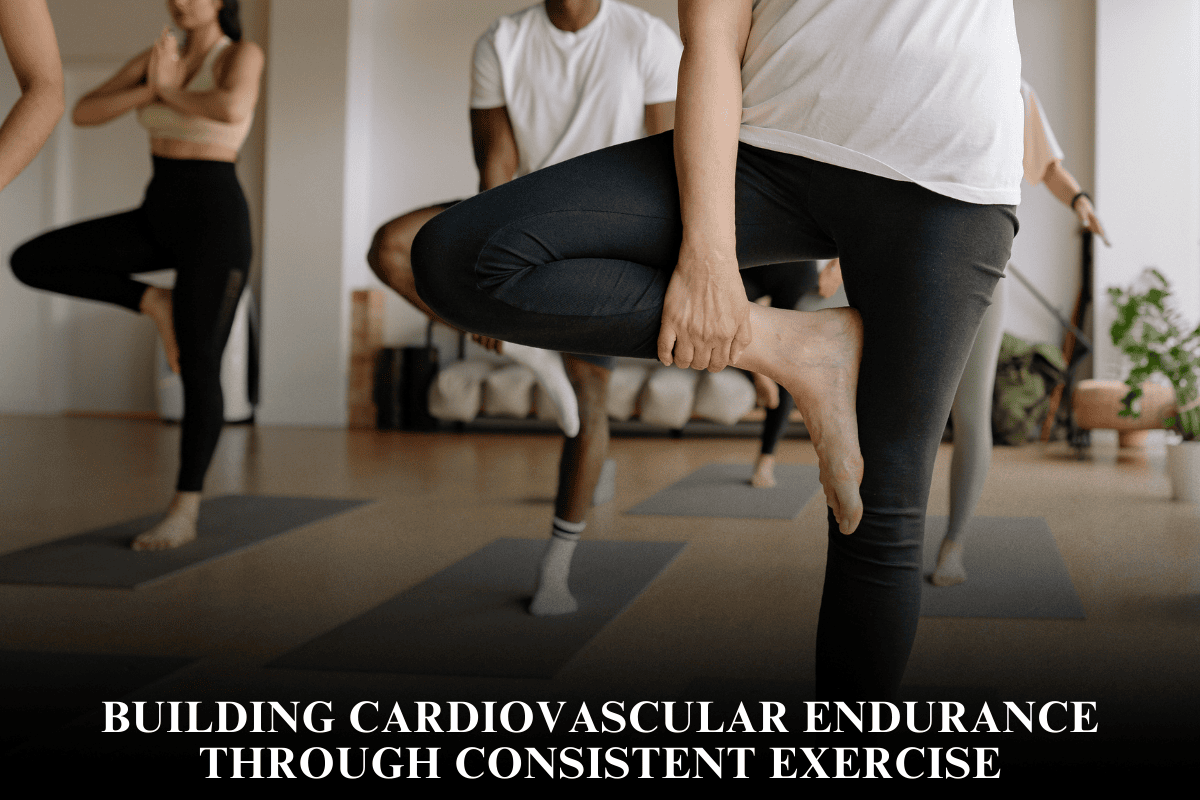
Balance and flexibility exercises also help maintain joint function and prevent falls, especially in older adults. Consistent routine exercise that incorporates endurance, strength, flexibility, and coordination supports comprehensive chronic disease prevention and health maintenance.
Additional Benefits of Exercise
Regular physical activity enhances mental health by reducing symptoms of depression and anxiety and improving cognitive function. It also supports healthy weight management, which lowers disease risk. Exercise improves sleep quality, increases energy levels, and supports overall quality of life, making it a powerful, holistic tool for chronic disease prevention and healthy aging.
Frequently Asked Questions (FAQ)
Q: Can exercise help if I already have a chronic disease?
A: Yes, regular exercise can improve symptom management, enhance physical function, reduce complications, and improve quality of life even after a chronic disease diagnosis. It is often included in treatment plans for conditions like diabetes, heart disease, arthritis, and some cancers.
Q: What types of exercise are best for preventing chronic diseases?
A: A combination of moderate-intensity aerobic activities (e.g., walking, cycling), muscle-strengthening exercises, and balance/flexibility training is recommended for maximum benefit in preventing chronic diseases and maintaining overall health.
Q: How soon can I see benefits from exercising?
A: Some benefits, like improved mood and energy, can be noticed almost immediately. Long-term disease risk reduction and longevity benefits accumulate over months to years of consistent exercise.
Q: Is exercise safe for older adults or those with disabilities?
A: Yes, exercise can be adapted to suit all fitness levels and abilities. Older adults and people with disabilities can safely engage in tailored physical activity programs that support health and prevent disease progression.
Q: How does exercise improve mental health?
A: Exercise reduces symptoms of depression and anxiety, improves brain function, and enhances memory and learning by stimulating brain regions like the hippocampus. It also helps manage stress and improve sleep quality.
In summary, regular exercise is a cornerstone of preventing chronic diseases and enhancing longevity. It improves cardiovascular health, metabolic function, immune response, mental well-being, and maintains musculoskeletal strength. Incorporating consistent physical activity into daily life promotes a healthier, longer life while reducing the burden of chronic illness.